
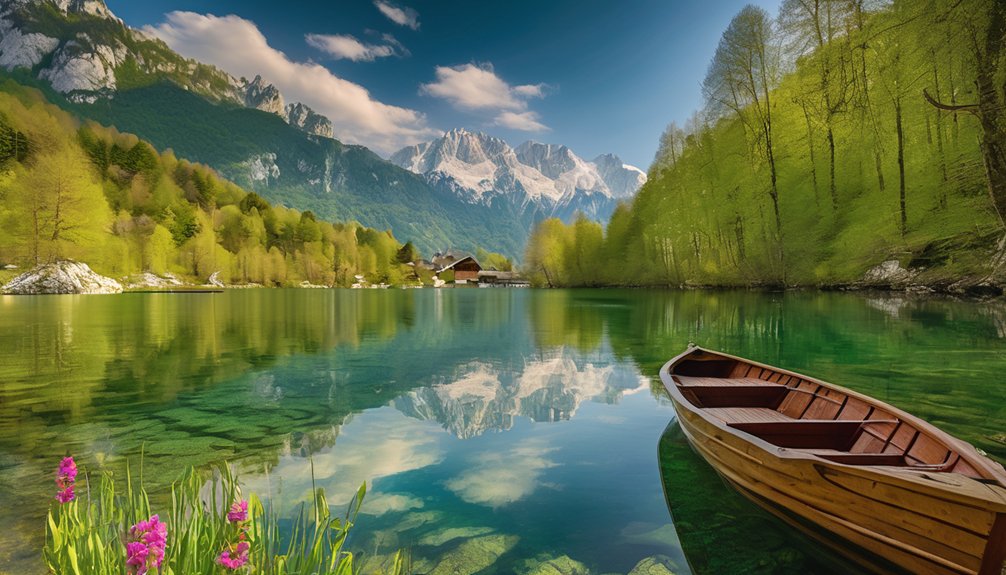
Best Time of Year to Visit Slovenia – Slovenia offers breathtaking scenery and unique experiences year-round, making timing your visit a key part of trip planning. Spring welcomes visitors with blossoming meadows, mild weather, and quieter trails ideal for hiking and cycling. This season is perfect for those seeking nature’s vibrant renewal without the crowds.
Summer transforms Slovenia into a lively hub. The pristine lakes of Bled and Bohinj invite swimming, kayaking, and sunbathing, while towns host open-air festivals celebrating music and culture. Warm temperatures and long days make it the best time for outdoor adventures and exploring alpine landscapes.
Autumn is a favorite for food and wine enthusiasts. Vineyards turn golden, and local harvest festivals offer authentic Slovenian flavors. The countryside glows with fall colors, providing a picturesque backdrop for photography and scenic drives.
Winter brings a different charm. Snow blankets the Julian Alps, creating excellent conditions for skiing and snowboarding. Festive markets in Ljubljana and Maribor sparkle, and thermal spas offer relaxation after a day outdoors.
Each season in Slovenia has its own appeal, ensuring visitors can find the perfect match for their interests. Whether you crave adventure, cultural events, or peaceful escapes, Slovenia’s diverse offerings make any time a rewarding experience. Plan according to your preferred activities for the most memorable trip.
Slovenia Through the Seasons: What to Expect
Slovenia’s diverse seasons shape distinct travel experiences, making it vital to time your visit according to your interests.
Winter turns the Julian Alps into a haven for skiing and snowboarding, with Lake Bled offering tranquil scenery and fewer crowds.
Spring brings vibrant wildflowers and ideal hiking conditions, especially in Triglav National Park.
As summer arrives, Slovenia’s turquoise rivers invite kayaking and rafting, while Ljubljana buzzes with open-air festivals and lively street life.
Autumn is a highlight for wine lovers, as rolling vineyards glow gold and crimson, and harvest celebrations fill the countryside.
Whether you seek snowy adventures, cultural festivals, or vineyard tours, each season reveals unique attractions.
Understanding these shifts helps you plan the perfect Slovenia trip tailored to your passions.
Consider what type of scenery and activities matter most—then choose your timing wisely.
No matter the month, Slovenia’s natural beauty and rich culture promise an unforgettable journey.
Spring in Slovenia: Wildflowers & Outdoor Adventures
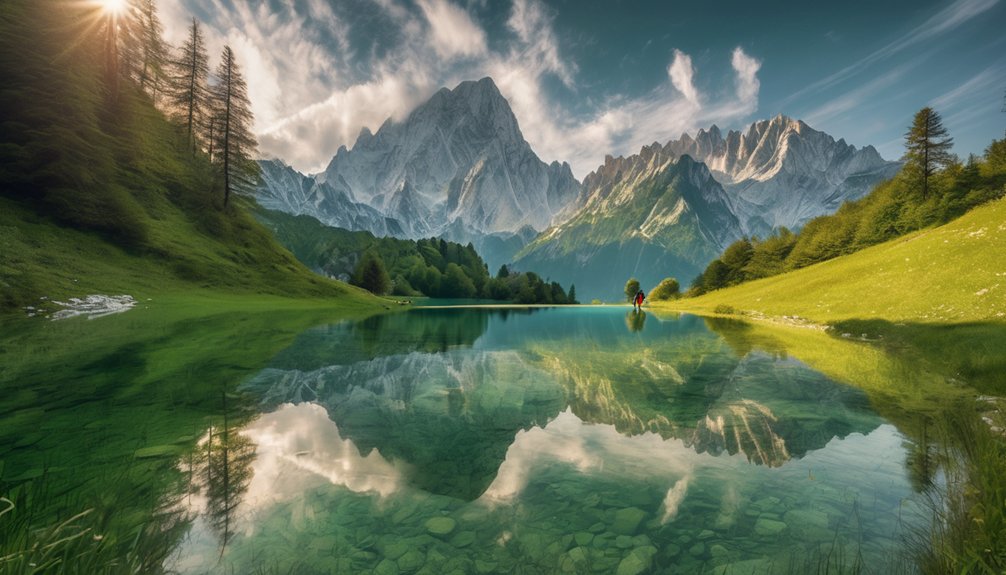
When spring arrives in Slovenia, nature transforms into a vibrant canvas. Wildflowers blanket meadows, and lush foliage awakens across valleys and hills. This season is ideal for outdoor enthusiasts eager to experience Slovenia’s unique landscapes.
Guided tours in the Soča Valley reveal crystal-clear rivers, alive with snowmelt, and trails dotted with rare orchids. The Karst region’s rolling hills offer quiet paths, where you can pause for a picnic amid blooming scenery.
Springtime in Slovenia brings a sense of renewal and tranquility, with fewer visitors than summer. Local guides help you discover hidden gems, from secluded forest trails to cascading waterfalls tucked away from the crowds. Each step offers the chance to breathe crisp, floral air and to immerse yourself in nature’s reawakening.
Whether you’re a hiker, photographer, or simply seeking peace, spring in Slovenia delivers an authentic escape. For those who value unspoiled beauty and memorable outdoor adventures, this season is the perfect invitation.
Summer in Slovenia: Lakes, Festivals, and Alpine Escapes
Slovenia’s summer offers a vibrant mix of natural beauty and lively culture. Long days encourage outdoor adventure, drawing visitors to the shimmering waters of Lake Bled and Lake Bohinj. Here, swimming, paddleboarding, and lakeside picnics are favorite pastimes, while early arrivals can enjoy tranquil moments before the crowds gather.
Venture into the Julian Alps for hiking among wildflowers or unwind in charming mountain villages such as Kranjska Gora, where fresh alpine air revitalizes the spirit.
Evenings in Slovenia transform as festivals fill towns with music, street performances, and bustling open-air markets. Ljubljana’s riverside becomes a focal point, buzzing with conversation and local flavor.
For those seeking quieter escapes, Lake Jasna provides a serene alternative to the region’s popular sites.
Summer in Slovenia appeals to every traveler—whether you seek active pursuits or cultural experiences. The blend of pristine lakes, alpine landscapes, and festive energy ensures a memorable visit.
Plan ahead to discover both iconic destinations and hidden gems, maximizing your time in this captivating country.
Autumn in Slovenia: Wine Country, Foliage, and Harvest Events
Autumn in Slovenia offers a vibrant tableau for travelers seeking authentic wine country experiences and spectacular foliage. As the season unfolds, the hills of Brda and Vipava Valley come alive with color, drawing visitors into the heart of Slovenia’s renowned vineyards. Here, grape harvests spark festive gatherings, where locals celebrate with fine wines and seasonal dishes.
Strolling through village lanes, you’ll encounter winemakers eager to share new vintages, each glass reflecting centuries of tradition. These inviting tastings allow you to connect with the region’s heritage while savoring Slovenia’s distinctive varietals.
Beyond the vineyards, the forests near Lake Bled and Triglav National Park transform into a kaleidoscope of gold and crimson, offering breathtaking hiking and photography opportunities.
For an immersive experience, time your visit with St. Martin’s Day in November. This festive event marks the transformation of young wine into the season’s signature beverage, celebrated with music, feasts, and community spirit.
Whether you’re a wine enthusiast or a nature lover, autumn in Slovenia promises unforgettable moments amid harvest traditions and stunning landscapes.
Best Time of Year to Visit Slovenia – Winter in Slovenia: Snow, Spas, and Festive Traditions
As winter settles over Slovenia, the country transforms into a captivating destination for travelers seeking both relaxation and adventure. Snow blankets the Julian Alps, providing excellent conditions for skiing and snowboarding enthusiasts.
In the heart of Triglav National Park, tranquil snowshoeing trails invite visitors to explore pristine winter landscapes away from the crowds.
Ljubljana, Slovenia’s charming capital, embraces the festive season with sparkling lights and lively Christmas markets. Here, you can savor local specialties and enjoy the atmosphere of an authentic European winter celebration.
A visit to Lake Bled promises breathtaking snowy views and the chance to warm up with a slice of kremšnita, the region’s beloved cream cake, in a cozy café overlooking the lake.
Slovenia is also renowned for its natural thermal spas, where mineral-rich waters offer a soothing retreat after a day in the cold. Locals and visitors alike appreciate these wellness havens for their restorative properties and peaceful settings.
December brings traditional festivals across Slovenia, where cultural heritage comes alive through music, food, and joyful gatherings.
Whether you seek outdoor excitement or restful moments, winter in Slovenia blends festive traditions, stunning scenery, and authentic experiences into an unforgettable escape.
Frequently Asked Questions
Do I Need a Visa to Visit Slovenia?
Planning a trip to Slovenia? Whether you need a visa depends on your nationality. Citizens of the European Union, United States, United Kingdom, Canada, and Australia can typically enter Slovenia for short visits without a visa. These travelers may stay up to 90 days within a 180-day period for tourism, business, or family visits. However, all visitors must carry a valid passport and be prepared to show proof of onward travel, accommodation details, and sufficient funds if requested by border officials.
For travelers from countries outside these regions, visa requirements differ. It is essential to check the latest regulations with the Slovenian consulate or embassy in your home country before booking your trip. Entry rules can change, so always verify your status to avoid any disruptions at the border.
If you plan a longer stay or intend to work or study in Slovenia, you must apply for the appropriate visa in advance. Preparation ensures a smooth arrival and helps you focus on enjoying Slovenia’s natural beauty and vibrant culture. Always keep your documents up to date and familiarize yourself with official entry requirements before you travel.
What Currency Is Used in Slovenia?
When planning your trip to Slovenia, knowing which currency to carry is essential. Slovenia uses the euro (€) as its official currency, making transactions straightforward for travelers from the Eurozone. The euro replaced the Slovenian tolar in 2007, aligning the nation with most European Union countries.
While major hotels, restaurants, and shops widely accept credit and debit cards, carrying some cash is still wise. In smaller towns, rural markets, or local cafés, cash remains the preferred payment method. You’ll also find that some independent businesses do not accept cards for small purchases.
ATMs are accessible throughout Slovenia, both in cities and smaller communities, and they dispense euros. Currency exchange services are available at airports, major banks, and exchange offices, but rates and fees may vary. For convenience and to avoid extra charges, it’s best to withdraw euros directly from ATMs.
Being prepared with local currency allows you to smoothly enjoy Slovenia’s vibrant farmers’ markets, historic sites, and picturesque countryside. Always keep small denominations handy for tips, bus fares, or spontaneous stops at charming roadside stalls. Understanding Slovenia’s currency system ensures you can focus on discovering the country’s cultural and natural treasures without unnecessary hassle.
Is English Widely Spoken in Slovenia?
When planning a trip to Slovenia, many travelers wonder if English will help them navigate daily life. In Slovenia, English proficiency is notably high, especially in urban centers and popular tourist destinations. You will find that most hotels, restaurants, and service providers have staff who speak fluent English.
Younger Slovenians often learn English from an early age, making communication straightforward in most public spaces. In Ljubljana, the capital, and other major cities, English is the preferred language for interacting with international visitors. Even in smaller towns, basic English is common among those working in hospitality.
While English is prevalent, Slovenians appreciate visitors who greet them with a simple “dober dan” before switching languages. This small gesture often inspires goodwill and is seen as respectful. Signs, menus, and tourist information materials are frequently available in English as well.
If you venture into rural areas, you may encounter older residents who speak less English. However, younger generations and those involved in tourism usually bridge any language gaps. For a smooth experience, learning a few Slovenian phrases can enhance your visit and foster positive local interactions.
How Safe Is It to Travel Around Slovenia?
Slovenia consistently ranks among Europe’s safest countries for travelers. Its cities and countryside offer a secure environment, making it an appealing destination for solo visitors, families, and groups alike. Violent crime rates remain extremely low, and petty crime is rare, especially outside major tourist hubs.
Travelers often remark on the welcoming nature of Slovenian communities. Whether you’re exploring Ljubljana’s historic center or hiking the Julian Alps, you can expect friendly interactions with locals. Public transport operates reliably and safely, and even late-night walks in most towns feel comfortable.
Despite Slovenia’s reputation for safety, basic precautions remain advisable. Monitor your belongings in crowded places such as markets or bus stations, as pickpocketing can occasionally occur. Avoid leaving valuables unattended, especially in tourist-heavy spots.
Natural hazards are minimal, but always check weather conditions if venturing into mountainous areas. Well-marked trails and a strong culture of outdoor safety contribute to a positive experience for hikers and cyclists.
What Are the Main Airports in Slovenia?
Slovenia’s air travel network is anchored by Ljubljana Jože Pučnik Airport. Serving as the nation’s primary international hub, this airport connects Slovenia to key cities across Europe and beyond. Its modern facilities and efficient service make it the preferred entry point for most international travelers heading to Slovenia’s vibrant capital or venturing further.
For travelers seeking alternative options, Maribor Edvard Rusjan Airport offers regional flights and a quieter experience. Located in eastern Slovenia, it’s a practical gateway for those exploring the country’s wine regions or business centers in the northeast. While it does not offer as many international connections as Ljubljana, it remains an important regional airport.
Portorož Airport caters to visitors drawn to Slovenia’s Adriatic coast. Known for its proximity to the seaside resorts and the picturesque town of Piran, this smaller airport is ideal for private flights and charter services. It provides convenient access to the coastal region’s unique attractions and relaxed atmosphere.
Selecting the right airport depends on your itinerary. Ljubljana Jože Pučnik Airport suits most visitors, especially those with international connections. However, Maribor and Portorož airports offer valuable alternatives for regional travel or specialized trips. Each airport brings you closer to Slovenia’s distinct landscapes and cultural highlights.