
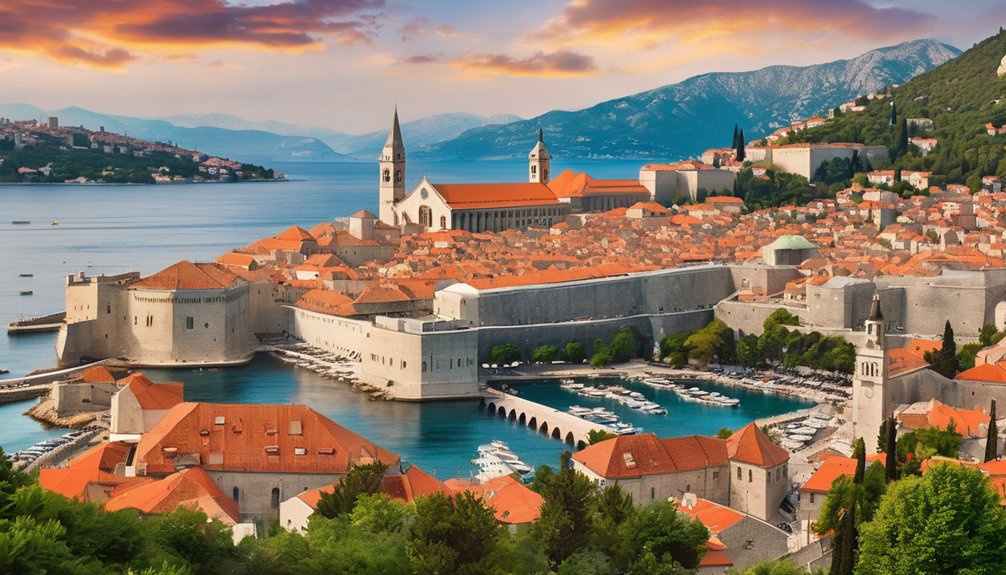
Best Balkan Cities to Visit – The Balkans offer a vibrant tapestry of cities where history, culture, and adventure await. Begin your journey in Sarajevo, a city where East meets West. Here, Ottoman-era bazaars and Austro-Hungarian architecture provide a fascinating blend. Stroll down the cobbled streets of Baščaršija and savor traditional Bosnian coffee.
Next, explore Ljubljana. Slovenia’s capital charms visitors with its leafy riverbanks, lively outdoor cafés, and the dramatic hilltop Ljubljana Castle. The city’s youthful energy and green spaces create a relaxed yet dynamic atmosphere.
In Belgrade, Serbia’s capital, centuries-old fortresses overlook the meeting point of the Sava and Danube rivers. Belgrade’s eclectic nightlife and creative arts scene attract travelers craving something unique.
Dubrovnik, perched on Croatia’s Adriatic coast, dazzles with its marble streets and imposing medieval walls. Walk along the ramparts for breathtaking sea views, then wander through bustling local markets.
Finally, visit Kotor in Montenegro, a UNESCO-listed gem encircled by fjord-like bays and Venetian fortifications. Its winding alleys and scenic harbor promise memorable moments for every visitor.
Each of these Balkan cities showcases a distinct identity, shaped by Roman, Ottoman, and Venetian influences. Whether you’re drawn by history, food, or stunning landscapes, the region’s cities promise unforgettable experiences. Plan your route and let the Balkans’ rich spirit inspire your next adventure.
Unique Qualities of Balkan Cities
Balkan cities captivate travelers with a rare blend of history, culture, and energy. Each city tells its own story through layers of Roman ruins, Ottoman mosques, and Austro-Hungarian facades. This intricate tapestry sets the region apart from anywhere else in Europe.
Wander through old towns like Sarajevo or Dubrovnik, where cobbled lanes reveal centuries-old landmarks beside lively cafés. Markets buzz with the aroma of local specialties, while street musicians add a vibrant soundtrack to daily life.
The blend of medieval fortresses and modern art galleries showcases a striking contrast that defines the Balkans. Local life thrives on riversides and in bustling squares, inviting visitors to join in the rhythm.
From Skopje’s eclectic architecture to Kotor’s dramatic bay views, each city offers distinct experiences. These unique qualities encourage travelers to slow down, explore, and connect with authentic traditions.
The best Balkan cities reward curiosity with unforgettable moments. Whether you seek cultural depth, architectural beauty, or a taste of local hospitality, the Balkans deliver a travel experience unlike any other.
Best Balkan Cities for Culture and Heritage
The Balkans offer far more than breathtaking scenery—they are home to cities where culture and history come alive at every turn. Start your journey in Belgrade, where the imposing Kalemegdan Fortress overlooks the confluence of the Danube and Sava rivers. Here, centuries of Serbian history are etched into stone walls and vibrant neighborhoods.
Dubrovnik immediately impresses with its iconic city walls and marble streets, preserving stories of maritime power and resilience. In Sarajevo, wander through Ottoman bazaars that seamlessly blend with Austro-Hungarian architecture. The city’s diverse heritage is reflected in its mosques, synagogues, and cathedrals standing side by side.
Ljubljana offers a different charm, with baroque façades, picturesque bridges, and a thriving art scene. The city’s relaxed atmosphere invites exploration, whether you’re visiting galleries or enjoying riverside cafés.
Meanwhile, Kotor’s medieval old town, encircled by sturdy Venetian walls, transports visitors to another era, with every turn revealing hidden courtyards and historic churches.
Each of these Balkan cities is a living museum, where local traditions, festivals, and cuisine keep cultural heritage thriving. Travelers seeking authentic experiences and rich history will find endless inspiration throughout the region. Let these destinations reveal the true spirit and enduring legacy of the Balkans.
Best Balkan Cities to Visit – Top Spots for Food, Nightlife, and Local Life
Discovering the true character of Balkan cities goes beyond their famous sights. The region’s food, nightlife, and local life create a vibrant tapestry that invites exploration.
In Sarajevo, traditional ćevabdžinicas fill the air with the aroma of grilled meats as locals gather for hearty meals and laughter.
Belgrade’s Skadarlija quarter offers a unique mix of bohemian charm, with live music drifting through its historic streets and rakija served in bustling taverns.
Split’s seafront comes alive each morning as fishermen deliver their catch and cafés buzz with locals enjoying fresh pastries and strong coffee. As evening approaches, the Adriatic’s energy shifts. Clubs pulse with music, while open-air bars in Ljubljana invite visitors to relax by the river and watch the city light up.
To experience the Balkans authentically, immerse yourself in its daily rituals—share a meal, join the conversation, and let the city’s rhythms guide you.
Every corner reveals new flavors, sounds, and stories, offering a genuine glimpse into local life and the region’s welcoming spirit. For travelers seeking more than monuments, these lively hubs are where the Balkans’ heart truly beats.
Balkan Cities Surrounded by Natural Beauty
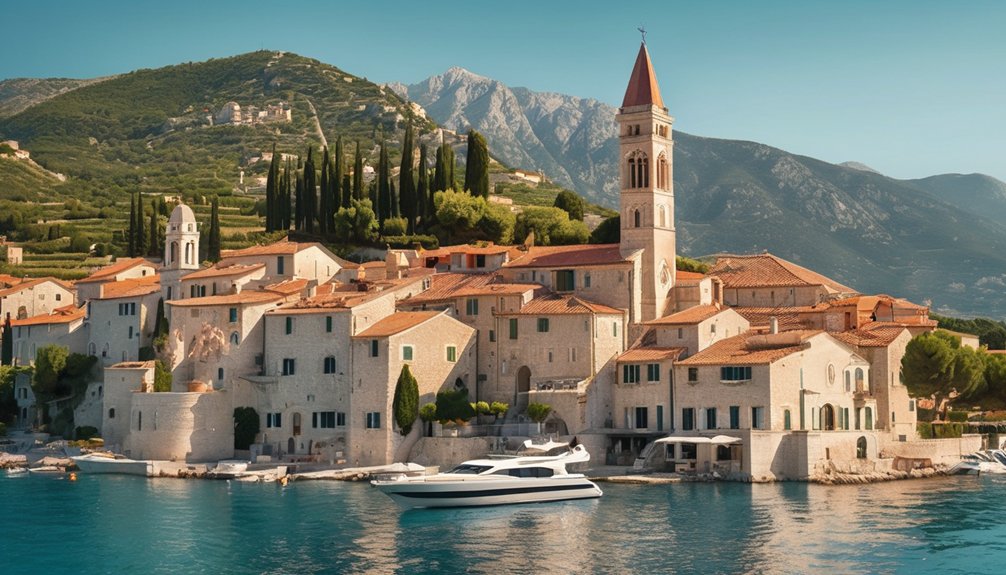
The Balkans are home to cities where urban life blends seamlessly with stunning natural surroundings. Travelers often find that the region’s landscapes shape the character and daily rhythm of its communities.
In Kotor, Montenegro, steep limestone mountains frame a historic old town perched above a deep blue bay, creating a dramatic setting that captivates visitors. Ljubljana, Slovenia’s charming capital, sits along a winding emerald river and is surrounded by lush forests and distant Alps, making every walk through the city a scenic experience.
Sarajevo, set in a green valley, offers panoramic views from its hillsides, where centuries-old architecture meets vibrant street life. The presence of rivers, forests, and mountains not only beautifies these cities but also influences their culture, outdoor activities, and local cuisine.
Residents and visitors enjoy hiking, cycling, and riverside cafes, while traditions and festivals often celebrate the region’s unique landscapes.
Exploring these Balkan cities means experiencing both cultural richness and natural splendor. Whether you admire the view from Kotor’s fortress, stroll Ljubljana’s riverside paths, or watch the sunset in Sarajevo, you’ll discover how closely nature and city life are intertwined across the Balkans.
Choosing the Right Balkan City for Your Trip
Planning a trip to the Balkans offers a wealth of options, each city promising a distinct atmosphere and experience. Begin by identifying your primary interests. If you appreciate a blend of cultures, Sarajevo’s historic streets, where East meets West, may captivate you.
Those drawn to coastal beauty often favor Dubrovnik, renowned for its medieval walls and Adriatic views. For a vibrant artistic scene, Ljubljana delivers with its lively cafes and green riverbanks.
If nightlife and energetic city life matter, Belgrade’s dynamic riverfront and music venues stand out. Consider your preferred pace—whether you seek the energy of bustling markets or the calm of scenic parks.
The Balkans are also ideal for travelers eager to immerse themselves in local traditions and regional cuisine. Each destination invites you to connect with its unique heritage, from ancient landmarks to contemporary culture.
Let your personal interests and travel style shape your choice, ensuring a rewarding and memorable journey through this fascinating region.
Frequently Asked Questions
What Is the Best Time of Year to Visit Balkan Cities?
Planning a trip to the Balkans? Timing can make all the difference in your experience. For most travelers, the best time of year to visit Balkan cities is during spring (April to June) and early autumn (September to October). During these months, the weather stays mild and comfortable, making it easy to explore historic streets, vibrant squares, and bustling markets without the extremes of summer heat or winter chill.
Spring brings lush parks, blooming gardens, and a lively local atmosphere as outdoor cafes and terraces fill with residents and visitors alike. In early autumn, the crowds thin out, but the cities remain animated. You’ll find cultural festivals, local events, and stunning scenery as leaves turn vibrant shades of red and gold.
Popular cities like Belgrade, Sarajevo, and Dubrovnik offer unique charms in these seasons. Enjoy walking tours, sample regional cuisine, and discover centuries-old landmarks with fewer tourists around. Additionally, travel and accommodation prices tend to be more reasonable than in peak summer months.
Do I Need a Visa to Travel Between Balkan Countries?
Traveling between Balkan countries can be straightforward, but visa rules depend on your nationality and destination. Most European and North American passport holders enjoy visa-free access to several Balkan nations for short stays, making border crossings relatively simple. However, each country—such as Serbia, Montenegro, Bosnia and Herzegovina, Albania, and North Macedonia—sets its own entry regulations.
Always review the current visa requirements for each country you plan to visit. Some nations in the region are members of the European Union or Schengen Area, while others are not. For example, while Croatia follows EU entry rules, neighboring countries like Serbia and Montenegro have their own policies.
Carry your passport at all times, as border checks still occur even between countries with relaxed entry rules. If your citizenship usually requires a visa for European travel, you may need to obtain one before entering specific Balkan countries. Research official government websites before your trip to ensure you have the right documentation, as rules can change with little notice.
Understanding local entry policies helps prevent unexpected issues at border crossings. With the right preparation, exploring the Balkans can be smooth and rewarding.
Are Balkan Cities Generally Safe for Tourists?
Exploring the Balkans offers an authentic, rewarding travel experience. Most Balkan cities are considered safe destinations for tourists, with crime rates comparable to or lower than many other European regions. Urban centers like Belgrade, Sofia, and Zagreb feature lively streets, busy cafes, and a strong sense of community. Visitors often remark on the hospitality of locals who are proud to share their traditions and culture.
While petty theft can occur, especially in crowded markets or on public transport, incidents are rare with basic precautions. Remain aware of your surroundings, keep valuables secure, and avoid poorly lit areas at night, just as you would in any major city. Police presence is visible in tourist zones, adding an extra layer of security.
Most travelers enjoy trouble-free visits and find the region’s atmosphere relaxed and inviting. The Balkan cities’ rich history, vibrant nightlife, and unique architecture attract visitors seeking genuine cultural immersion. By staying alert and informed, tourists can confidently explore historical landmarks, sample regional cuisine, and participate in local festivities.
What Languages Are Commonly Spoken in Balkan Cities?
Balkan cities offer a remarkable tapestry of languages, reflecting the region’s rich cultural history. In major urban centers, you’ll most often encounter Serbian, Croatian, Bosnian, Slovenian, Albanian, and Montenegrin, each dominant within its respective country. These languages share similarities, yet local dialects and accents add unique flavor to daily interactions.
English is increasingly prevalent, especially among younger generations and within hospitality, business, and tourism sectors. Visitors commonly find that city dwellers are comfortable switching between their native tongues and English, making travel more accessible and enjoyable. In addition to English, German and Italian are sometimes understood, particularly in areas with historical or economic ties to those countries.
Multilingualism is a source of pride in the Balkans. Locals often demonstrate genuine curiosity and warmth when engaging with visitors, easily shifting between languages to communicate effectively. This adaptability enhances the region’s welcoming atmosphere and fosters meaningful connections.
Understanding this linguistic landscape helps travelers navigate Balkan cities with confidence. Whether seeking directions, dining recommendations, or cultural insights, one can expect approachable and resourceful communication. By recognizing the diversity and adaptability of Balkan languages, visitors gain a deeper appreciation for the vibrant social fabric that defines the region’s cities.
How Do I Travel Between Major Cities in the Balkans?
Traveling between major cities in the Balkans is both practical and rewarding, offering a blend of scenic views and local encounters. The region is well-connected by a network of trains and buses, making public transportation a reliable choice for most routes. Major cities such as Belgrade, Sofia, Sarajevo, and Zagreb feature regular intercity services, allowing travelers to plan flexible itineraries. Train journeys unveil sweeping landscapes and a relaxed pace, while bus routes tend to be faster and reach more destinations, including smaller towns.
For those seeking greater independence, hiring a private car delivers unmatched flexibility. Driving grants you the freedom to explore hidden gems, take impromptu stops, and adapt your schedule as needed. Crossing borders by car in the Balkans is straightforward, with most checkpoints operating efficiently.
Each travel mode provides a unique window into the region’s culture and scenery. Whether you prefer the comfort of rail, the reach of bus networks, or the autonomy of driving, exploring the Balkans between its vibrant cities is accessible and memorable. Carefully consider your priorities—speed, comfort, or adventure—when choosing your mode of travel.