
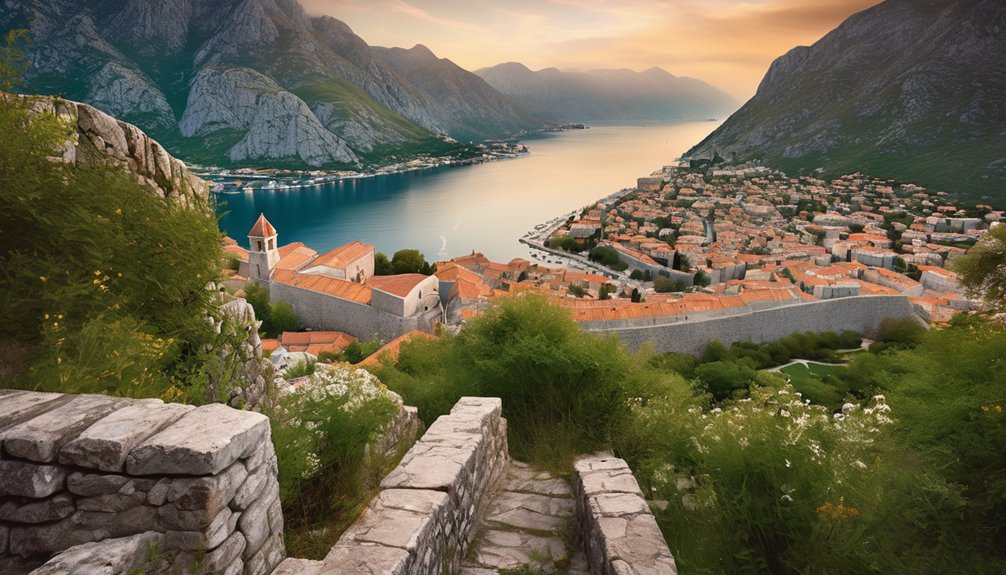
Montenegro Landmarks in 2026 – Montenegro in 2026 invites travelers to explore its captivating mix of history, culture, and natural beauty. Begin with Kotor, where medieval walls overlook a bustling harbor, offering scenic views and centuries of stories. Budva’s ancient fortresses and vibrant markets immerse visitors in a lively Adriatic atmosphere. Ostrog Monastery, dramatically carved into a vertical cliff, offers a unique spiritual experience and panoramic vistas.
Nature lovers will appreciate Durmitor National Park, a UNESCO World Heritage site filled with rugged peaks and clear glacial lakes. The tranquil shores of Lake Skadar provide a peaceful escape, ideal for birdwatching and quiet reflection. For those seeking hidden gems, Stari Bar’s evocative ruins reveal layers of history, while Rijeka Crnojevića charms with riverside views and local cuisine.
Every landmark in Montenegro tells a different story, from fortified cities to mountain sanctuaries. Whether you’re drawn by architectural marvels, breathtaking landscapes, or authentic village life, Montenegro in 2026 delivers an unforgettable journey. Plan your adventure to experience both the celebrated highlights and the lesser-known wonders that give this Balkan nation its enduring allure.
Montenegro’s Most Iconic Landmarks for 2026
Montenegro’s landscape is a striking blend of mountains, coastline, and historic treasures. In 2026, travelers seeking unforgettable experiences will find the country’s iconic landmarks both captivating and accessible.
Begin your journey at the Bay of Kotor, where ancient city walls encircle a picturesque harbor, reflecting centuries of maritime heritage. Stroll through narrow stone streets, discovering churches and squares steeped in history.
Nature lovers shouldn’t miss Durmitor National Park. Its rugged peaks and clear glacial lakes provide a breathtaking escape and opportunities for hiking, rafting, and wildlife sightings. The park’s dramatic vistas highlight Montenegro’s wild beauty at every turn.
The Ostrog Monastery offers a spiritual encounter unlike any other. Built into a vertical cliff, this revered site attracts pilgrims and visitors with its awe-inspiring architecture and panoramic views.
Meanwhile, Budva’s ancient city gates open to a lively mix of heritage and modern charm, with fortified walls, vibrant markets, and lively cafes.
Each landmark in Montenegro reveals a unique facet of the country’s identity. Exploring these sites in 2026 promises both inspiration and a deeper appreciation for Montenegro’s enduring allure.
Whether you crave adventure, culture, or striking scenery, Montenegro’s iconic landmarks deliver an experience to remember.
Montenegro Landmarks in 2026 – Montenegro’s Historic Landmarks and Cultural Treasures
Montenegro offers more than breathtaking scenery—its historic landmarks and cultural treasures provide a window into a rich past. Walk through the ancient streets of Kotor’s Old Town, where medieval walls and elegant Venetian buildings reflect centuries of maritime tradition.
Marvel at Ostrog Monastery, a spiritual sanctuary carved into sheer rock, renowned for attracting pilgrims seeking peace and reflection.
In Cetinje, explore royal palaces and museums that reveal Montenegro’s journey toward independence and its unique royal heritage. Each site you visit tells a story, from the imposing fortress at Budva to picturesque Ottoman bridges spanning tranquil rivers.
Orthodox monasteries, found in hidden mountain valleys, showcase the enduring faith and artistry that shape Montenegro’s identity.
Travelers in 2026 will discover both well-known landmarks and lesser-known gems, each offering insight into the nation’s layered culture.
Natural Landmark Wonders of Montenegro
Montenegro’s natural landmark wonders captivate visitors with their dramatic beauty and unique character.
The Tara River Canyon, Europe’s deepest, cuts through wild forests and offers an unrivaled destination for adventure seekers and nature lovers alike. Its turquoise waters and steep cliffs create an awe-inspiring panorama, perfect for rafting or photography.
Lake Skadar, the largest lake in the Balkans, stands as a haven for birdwatchers. Its tranquil waters reflect the surrounding mountains, while rare waterbirds glide across its surface. This biodiverse wetland is also steeped in history, dotted with ancient monasteries and charming fishing villages.
Venture inland to Durmitor National Park, where jagged limestone peaks and pristine glacial lakes define the landscape. Hiking trails wind through untouched wilderness, revealing breathtaking vistas at every turn. The park’s raw beauty and ecological diversity make it a UNESCO World Heritage Site.
Along the coast, Kotor Bay dazzles with its dramatic cliffs and sparkling blue waters. Secluded coves and medieval towns nestle between mountains and sea, offering a harmonious blend of natural and cultural wonders.
Montenegro’s natural landmarks are more than scenic spots—they are living symbols of the country’s wild spirit and enduring allure.
Whether you seek adventure, tranquility, or inspiration, these wonders promise an unforgettable journey through one of Europe’s most captivating landscapes.
Hidden Landmark Gems in Montenegro
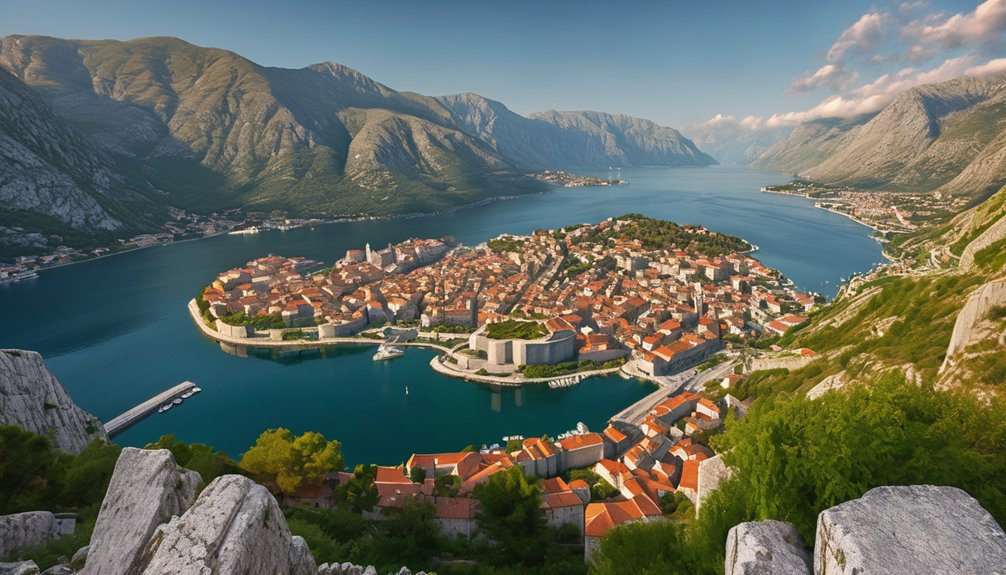
Step beyond Montenegro’s famous coastlines to discover hidden landmark gems that reveal the country’s authentic charm.
In the shadow of Mount Rumija, the ancient town of Stari Bar invites exploration. Its crumbling walls and centuries-old archways whisper stories of Ottoman rule and medieval resilience.
Farther inland, the remarkable Ostrog Monastery stands carved into a vertical cliff, drawing pilgrims and travelers with its serene atmosphere and awe-inspiring views.
For those seeking history with a view, the abandoned Austro-Hungarian forts above Kotor reward hikers with panoramic vistas across the Bay of Kotor and a tangible sense of forgotten history.
Journey to Rijeka Crnojevića, where stone bridges span tranquil waters and local traditions endure along the river’s edge.
These lesser-known landmarks offer more than picturesque scenery; they invite you to slow down and engage with Montenegro’s layered heritage.
Travelers who venture off the main routes discover monuments and moments often missed by the crowds. Exploring these sites not only enriches your journey but also connects you with Montenegro’s living history—an experience both rare and unforgettable.
Sample Itinerary for Montenegro’s Top Landmarks
Montenegro’s compact size makes it perfect for a landmark-focused journey. Begin in the Bay of Kotor, a UNESCO World Heritage Site where medieval ramparts overlook deep blue waters. Stroll through Kotor’s Old Town, discovering centuries-old churches and vibrant squares.
Next, ascend to Lovćen National Park. Here, panoramic Adriatic views and the imposing Njegoš Mausoleum highlight the region’s rich heritage and natural beauty.
Travel south to Budva, a city where ancient fortress walls meet lively beaches. Wander Budva’s stone streets, then relax by the Adriatic Sea for a taste of Montenegro’s coastal lifestyle.
Continue inland to the revered Ostrog Monastery, built dramatically into sheer cliffs. This spiritual site offers breathtaking views and a sense of peace.
Conclude your itinerary at Lake Skadar, the country’s largest lake and a haven for birdlife. Explore tranquil villages along its shore and enjoy authentic Montenegrin cuisine.
Each stop provides a window into Montenegro’s diverse landscapes and traditions. A well-structured route through these top landmarks ensures you experience Montenegro’s dramatic contrasts, from mountain peaks to serene lakeshores, all in just a few days.