
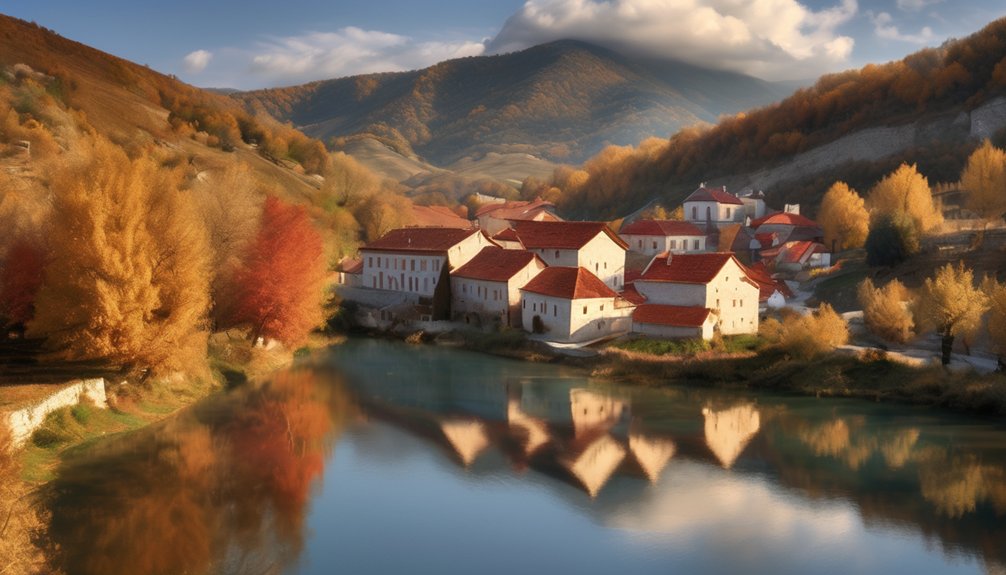
Balkans in Autumn – Experience the Balkans in autumn, when vibrant landscapes and cultural traditions create an unforgettable journey. As summer fades, forests transform into a mosaic of gold and crimson, inviting nature lovers to explore scenic trails around spots like Slovenia’s Lake Bled. The air grows crisp, and tranquil lakes reflect the changing season, providing perfect backdrops for photographers and travelers seeking quiet beauty.
Autumn is also harvest time across the region. Local markets fill with fresh produce, nuts, and seasonal specialties. Vineyards open their doors for tastings of newly released wines, giving visitors a chance to celebrate with winemakers and experience authentic regional flavors. Traditional festivals come alive, offering music, folklore, and hearty Balkan cuisine that showcase the area’s rich heritage.
Without the summer crowds, towns and cities reveal a more relaxed pace. Enjoy coffee in peaceful squares, sample unique autumn dishes, and connect with locals who welcome visitors during this rewarding season. Pack versatile clothing for shifting temperatures and prepare to discover a deeper, more intimate side of Balkan life. Whether you’re seeking outdoor adventure or cultural immersion, the Balkans in autumn provide a wealth of memorable experiences.
Why Visit the Balkans in Autumn
As the vibrant energy of summer gives way to autumn’s golden tranquility, the Balkans transform into a destination of exceptional charm. Visiting the Balkans in autumn means enjoying peaceful streets, scenic mountain trails, and vineyard landscapes painted in warm hues.
With fewer tourists, you gain authentic access to local traditions, including age-old harvest festivals and bustling markets where regional specialties shine.
The region’s mild weather lets you comfortably explore historic towns, ancient fortresses, and UNESCO-listed sites. Autumn also marks the peak of the grape harvest, making it an ideal season for vineyard tours and wine tastings with local producers.
Culinary experiences are richer, as seasonal dishes and fresh produce take center stage in family-run restaurants and village kitchens.
Traveling the Balkans in autumn offers a slower pace that encourages genuine connections with residents. Guided tours during this season often provide personal insights into regional customs and folklore.
If you value cultural depth and natural beauty, autumn in the Balkans delivers a rewarding experience that balances authenticity, comfort, and discovery.
Best Places for Fall Colors and Scenery
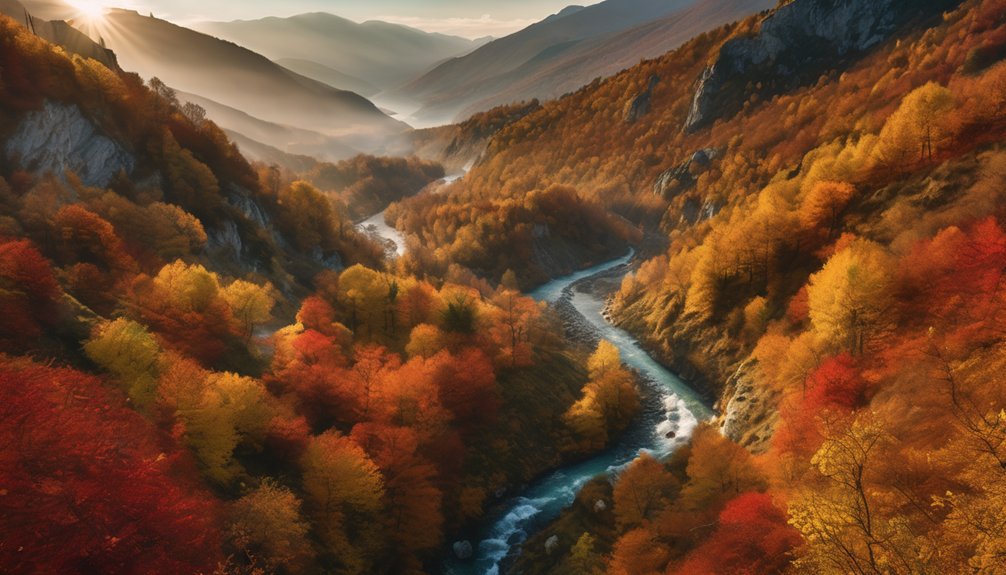
Discovering the Balkans in autumn offers a unique opportunity to witness some of Europe’s most vibrant fall colors. From Slovenia’s picturesque Lake Bled, where forests glow with gold, to the rugged beauty of Montenegro’s Durmitor National Park, the region comes alive with fiery hues.
Bosnia and Herzegovina’s mountain landscapes, especially around Sutjeska National Park, are transformed by blankets of red and yellow foliage each October. Croatia’s Plitvice Lakes reflect autumn leaves in crystal-clear waters, creating a mesmerizing tapestry.
Meanwhile, Serbia’s Tara National Park features tranquil trails winding through beech and oak forests, perfect for quiet exploration.
Travelers seeking an authentic fall experience will appreciate the Balkans’ peaceful atmosphere. Unlike more crowded destinations, these scenic areas remain serene, letting you enjoy nature without the crowds.
Each location also connects visitors to deep-rooted traditions and dramatic histories, enriching every hike or scenic drive.
For anyone planning an autumn trip in 2026, the Balkans promise unforgettable scenery, moderate temperatures, and an intimate connection to the changing season. Explore these remarkable landscapes and savor the vivid transformation only autumn in the Balkans can deliver.
Autumn Food, Wine, and Festivals in the Balkans
As autumn unfolds across the Balkans, local traditions and flavors come to the forefront. Crisp air fills bustling markets, where the scent of roasted chestnuts and sweet peppers signals the start of the harvest season.
In Slovenia, truffle foragers head into mossy forests, while Serbian cooks gather wild mushrooms for rich, warming stews.
Seasonal ingredients inspire a vibrant array of comforting dishes. Pumpkin pies, freshly baked breads, and slow-cooked meals appear on family tables, celebrating the region’s agricultural heritage.
Wine country in Croatia and Montenegro comes alive with grape harvests, offering visitors a chance to taste new vintages and join in age-old rituals.
Throughout the region, autumn festivals unite communities. In Bosnia and Herzegovina, plum harvest celebrations feature traditional music and homemade rakija.
Rural Croatia hosts lively markets and fairs, where local produce and crafts are on display. Each event reflects the deep connection between people, food, and the changing landscape.
Exploring the Balkans in autumn means experiencing authentic flavors and festive hospitality. This season invites travelers to savor every moment, from vineyard tastings to market strolls, making memories rooted in the heart of Balkan culture.
Balkans in Autumn – Ways to Experience the Balkans in Fall
Autumn in the Balkans presents an ideal opportunity for authentic travel. As temperatures cool, the region’s cities and landscapes reveal a distinct charm. Stroll through historic centers in Ljubljana or Belgrade, where centuries-old facades gleam beneath soft autumn sunlight. Local markets become vibrant with fresh produce and artisanal crafts, offering a true taste of Balkan culture.
Venture beyond urban life to discover the countryside’s seasonal magic. Vineyards in Croatia and Slovenia invite visitors to sample new vintages, surrounded by rolling hills dressed in golden hues. In Bosnia and Herzegovina, forest trails lead through quiet woods, their paths lined with brilliant fall foliage. Each experience feels immersive, connecting you to the region’s traditions and natural beauty.
Autumn also encourages slower travel. Savor a coffee at a tucked-away café, where locals share stories and time stretches gently.
Whether exploring ancient fortresses or tranquil lakesides, the Balkans in fall offers travelers a genuine connection to history, community, and landscape. This season transforms each moment into a unique discovery for those seeking depth and authenticity.
Packing Tips for Autumn Balkan Travel
Exploring the Balkans in autumn offers a unique blend of colorful landscapes and changing weather. Smart packing ensures you stay comfortable and make the most of your trip.
Begin with versatile layers: mornings in cities like Ljubljana or Sarajevo can be chilly, while afternoons along the Adriatic might still be warm and sunny. A lightweight, waterproof jacket is crucial, as autumn showers are frequent and often unpredictable.
Comfortable, sturdy shoes are essential for navigating cobbled streets and historic sites. Include a slightly dressy option if you plan to enjoy nightlife in Belgrade or Dubrovnik.
A warm scarf or shawl adds both style and practical warmth, letting you blend in with local fashion while staying cozy during cool evenings.
Tech essentials shouldn’t be overlooked. Bring a universal adapter and a power bank, since opportunities to charge devices can be limited while exploring remote towns or scenic routes.
Thoughtful packing allows you to travel light, adapt to shifting weather, and enjoy every aspect of Balkan autumn—from lively city markets to tranquil mountain trails.
Frequently Asked Questions
Is Autumn a Busy Tourist Season in the Balkans?
Autumn in the Balkans offers a quieter, more authentic travel experience compared to the peak summer season. While summer draws large crowds to coastal destinations and major cities, autumn brings a noticeable drop in tourist numbers. This makes it an ideal time for visitors who value tranquility and genuine cultural engagement.
During autumn, the region’s landscapes transform with vibrant foliage, creating stunning backdrops for outdoor activities. Hiking in the mountains or exploring national parks becomes even more enjoyable, as mild temperatures and fewer visitors enhance the experience. Cities such as Sarajevo, Belgrade, and Skopje feel more relaxed, allowing travelers to immerse themselves in local life and seasonal festivities.
Many cultural events and harvest festivals take place in autumn, offering insight into Balkan traditions. Local markets brim with fresh produce, providing a taste of regional flavors unavailable at other times of the year. Travelers can also enjoy iconic sites without long waits or crowds, making sightseeing both comfortable and rewarding.
If you seek a balanced mix of nature, culture, and serenity, autumn in the Balkans is a compelling choice. The combination of peaceful surroundings, colorful scenery, and authentic experiences makes this season stand out for discerning travelers.
Are Historic Sites Open During the Fall Months?
Many travelers wonder if historic sites remain accessible as the summer season fades. Fortunately, most historic sites do stay open during the fall months. In fact, autumn can be one of the best times to visit. Cooler temperatures and brilliant foliage create a vibrant backdrop for exploring landmarks, monuments, and preserved districts.
Without the summer crowds, visitors often enjoy a quieter, more immersive experience. Guides and staff can offer deeper insights, and you have more time to appreciate details that might be overlooked in busier months. The fall atmosphere also encourages a reflective connection with the stories and architecture that shaped each site.
Hours of operation may vary, so it’s important to check official websites before planning your visit. Some locations adjust schedules or close certain amenities as the season progresses. However, core exhibits and guided tours usually continue to welcome guests well into late autumn.
Exploring historic sites in the fall not only lets you enjoy the region’s natural beauty but also supports preservation efforts during a less-traveled season. Whether you’re interested in colonial history, indigenous heritage, or architectural marvels, fall offers an inviting window for discovery.
Can I Visit Multiple Balkan Countries in One Autumn Trip?
Travelers often wonder if they can visit several Balkan countries during a single autumn journey. The answer is yes—autumn provides an excellent opportunity to experience the region’s diversity. Cooler temperatures and fewer tourists create a relaxed atmosphere, allowing you to enjoy vibrant landscapes and authentic local culture.
Border crossings in the Balkans are generally straightforward, especially for citizens of the European Union or holders of valid visas. Efficient rail and bus networks connect major cities like Belgrade, Sarajevo, and Sofia, making multi-country itineraries easy to plan. Popular routes might include exploring the medieval streets of Kotor in Montenegro, sampling Macedonian cuisine in Skopje, and admiring the autumn foliage in the forests around Plitvice Lakes National Park in Croatia.
Each country offers unique attractions, from ancient fortresses to bustling markets and scenic national parks. Traveling in autumn means more comfortable weather for outdoor activities and a chance to experience traditional festivals. Local hospitality is warm, and accommodations are often more affordable compared to peak summer months.
With thoughtful planning, you can immerse yourself in the distinct history, food, and landscapes of multiple Balkan nations within a single trip. Autumn’s charm only enhances the journey, offering a memorable and enriching travel experience across this fascinating region.
Are There Direct Flights to the Balkans in Autumn?
Travelers seeking direct flights to the Balkans in autumn have a range of convenient options. Major airlines maintain regular direct routes from many European cities to key Balkan destinations, including Belgrade, Zagreb, and Ljubljana. Autumn is a strategic time to visit, as demand typically drops after summer. As a result, airports are less busy and flights often feel more relaxed.
European hubs such as London, Vienna, Paris, and Frankfurt offer frequent connections to the Balkans. These direct flights save time and eliminate the hassle of layovers, making travel efficient for both business and leisure. The mild autumn climate enhances the experience, allowing visitors to enjoy vibrant city life and cultural events at a comfortable pace.
Booking in advance helps secure the best schedules and fares. Airlines often adjust their timetables in the off-peak season, so it’s wise to check for the most current flight options. Direct flights ensure a smooth arrival, letting you start your Balkan adventure as soon as you land.
Whether you’re drawn by history, cuisine, or natural beauty, direct flights in autumn provide an easy gateway to the region. Plan ahead and take advantage of quieter airports and the authentic atmosphere that marks this season across the Balkans.
Is English Widely Spoken in the Balkans?
Travelers heading to the Balkans often wonder about language barriers, especially when English is their primary language. In major cities like Belgrade, Zagreb, English is widely spoken, particularly among young adults and professionals in tourism and hospitality. Urban centers and popular tourist sites make communication in English straightforward for most visitors.
However, in smaller towns and rural areas, English proficiency can be less common. In these settings, you may find that older generations speak little or no English. Relying solely on English in remote villages or non-tourist regions might limit your ability to communicate effectively.
Adapting by learning a few basic local phrases, such as greetings or common questions, is highly appreciated. This small effort demonstrates respect for local culture and can lead to warmer interactions. Many locals will be eager to help if you attempt their language, even if just a few words.
Understanding these regional differences will help set realistic expectations for your trip. While English is useful in the Balkans, especially in urban and tourist areas, embracing the local language—if only minimally—enriches your travel experience and fosters genuine connections.