
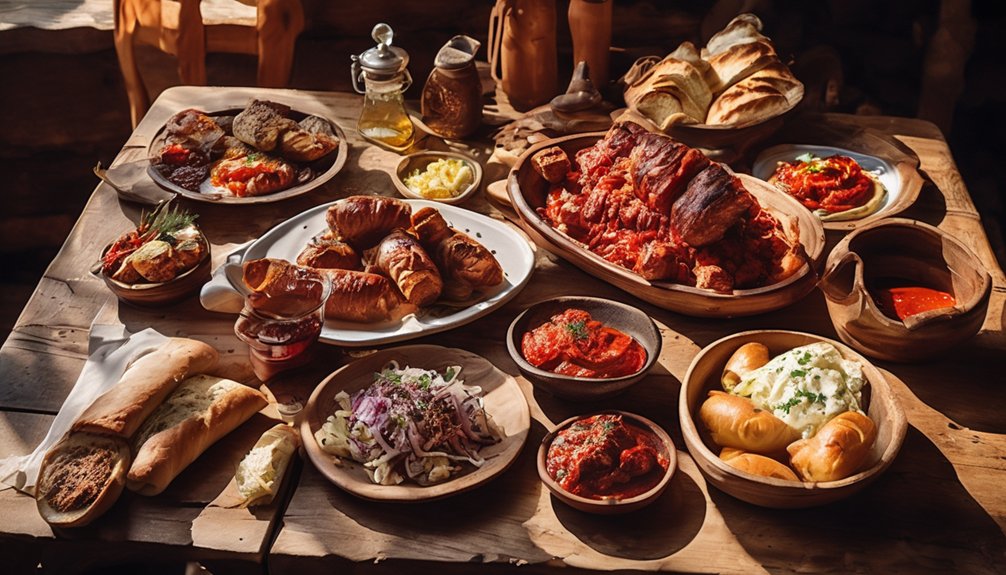
Traditional Serbian Dishes for Tourists – Serbia offers a rich culinary tradition that captivates visitors seeking authentic flavors. At the heart of Serbian cuisine are savory specialties like ćevapi—succulent grilled meat sausages served in fresh somun bread. Another staple, sarma, features minced meat and rice wrapped in tender cabbage leaves, offering a comforting blend of tastes. Don’t miss ajvar, a vibrant roasted pepper spread that pairs perfectly with bread or grilled meats.
Meals in Serbia highlight locally-sourced meats, seasonal vegetables, and a robust use of paprika and garlic. These ingredients create distinct layers of flavor in every dish, reflecting Serbia’s agricultural heritage and regional diversity. Dining in Serbia is a leisurely affair; locals savor each bite, often accompanied by homemade bread and fresh salads.
For travelers, sampling these traditional Serbian dishes is more than a meal—it’s a true cultural experience. Each dish tells a story of community, hospitality, and time-honored recipes passed down through generations. Whether dining in bustling Belgrade restaurants or rustic countryside taverns, you’ll find Serbian food to be both memorable and inviting.
Embrace the flavors of Serbia and discover why its cuisine is celebrated throughout the Balkans. Your culinary journey awaits with every bite.
Why Serbian Food Stands Out
Serbian cuisine stands apart for its deep roots in tradition and its celebration of hospitality. When you visit Serbia, every meal becomes an invitation to experience the country’s vibrant culture. Local dishes, such as slow-roasted lamb, fresh-baked bread, and flavorful ajvar, are crafted from time-honored recipes handed down through generations. Each bite offers a glimpse into Serbia’s diverse history, where Eastern and Western influences blend seamlessly on the plate.
Dining in Serbia isn’t just about eating—it’s a communal event. Families and friends gather around tables to share hearty stews, grilled meats, and crisp salads, always accompanied by genuine warmth. This spirit of togetherness shines through, whether you’re enjoying a home-cooked meal or visiting a bustling tavern.
Tourists often find themselves welcomed like old friends, with locals eager to share stories and culinary secrets. Exploring traditional Serbian food allows travelers to connect with the country on a deeper level.
Every dish reveals a piece of Serbia’s cultural identity, making each meal a memorable and meaningful part of the journey.
Key Ingredients in Serbian Cuisine
Serbian cuisine stands out for its vibrant flavors and homely comfort, rooted in centuries-old culinary traditions. Fresh vegetables form the backbone of many Serbian dishes; juicy tomatoes, crisp peppers, and sweet onions create a rich foundation for salads and stews.
Potatoes and cabbage provide substance, especially in classic recipes like sarma and prebranac.
Locally sourced meats, including pork, lamb, and beef, are prepared with care—often grilled or slow-cooked to develop deep, smoky notes. Paprika and garlic are essential, lending warmth and character to both everyday meals and festive specialties.
Dairy products, such as kajmak and feta-style cheese, deliver creamy textures that balance the boldness of spicy and savory dishes.
Homemade bread and sunflower oil are ever-present on Serbian tables, symbolizing hospitality and tradition. These ingredients not only satisfy the palate but also tell the story of the land and its people.
For travelers exploring Serbian cuisine in 2026, understanding these core elements is key to appreciating the nation’s rich gastronomic heritage. Let these flavors guide you through an authentic culinary journey across Serbia.
Traditional Serbian Dishes to Try
Serbia’s culinary scene offers a rich journey through flavors shaped by centuries of tradition and diverse influences. When exploring authentic Serbian cuisine, begin with ćevapi—small, juicy sausages nestled in somun bread and topped with chopped onions. This beloved street food is a staple in local markets and restaurants.
Sarma stands out as another classic dish. It features cabbage leaves filled with a savory mixture of minced meat and rice, then slow-cooked until tender. This hearty specialty is especially popular during festive gatherings and family celebrations.
Roast meats, such as lamb and pork, often prepared “ispod sača” (under a metal bell), deliver smoky aromas and melt-in-your-mouth texture. These dishes showcase the importance of communal meals in Serbian culture.
No meal is complete without ajvar, a vibrant relish made from roasted red peppers. Spread on fresh bread, ajvar adds a burst of flavor to any table.
For dessert, baklava—layers of flaky pastry, walnuts, and honey—offers a sweet ending influenced by Ottoman heritage.
Each traditional Serbian dish reflects the country’s history and regional diversity, making them essential for anyone seeking a genuine taste of Serbia. Savoring these specialties connects you to the warmth and hospitality found at every Serbian table.
Traditional Serbian Dishes for Tourists – Best Places to Taste Serbian Food
Strolling through Serbia offers a true culinary adventure, where authentic flavors reveal the country’s rich history and vibrant culture. In Belgrade, traditional kafanas are essential stops for anyone seeking classic Serbian dishes. These lively taverns serve slow-cooked stews, grilled meats, and rustic breads, all amid a welcoming atmosphere.
Venture to the markets of Nis and Novi Sad to experience Serbia’s street food culture firsthand. Here, the scent of freshly baked pastries and smoked delicacies draws both locals and visitors. Each bite connects you to generations-old recipes and passionate local producers.
Beyond the cities, small-town restaurants and countryside guesthouses offer a different charm. Family-run establishments use fresh, local ingredients and time-honored techniques, ensuring every meal is memorable.
Many rural guesthouses feature outdoor dining beneath orchards, allowing guests to enjoy farm-to-table feasts in peaceful settings.
Wherever you travel in Serbia, seek out spots where locals gather. These authentic venues promise the most genuine taste experiences and showcase the warmth of Serbian hospitality.
Whether you dine in a bustling Belgrade kafana or a tranquil village inn, you’ll discover why Serbian cuisine is celebrated for its bold flavors and deep traditions.
Tips for Enjoying Serbian Food in Serbia
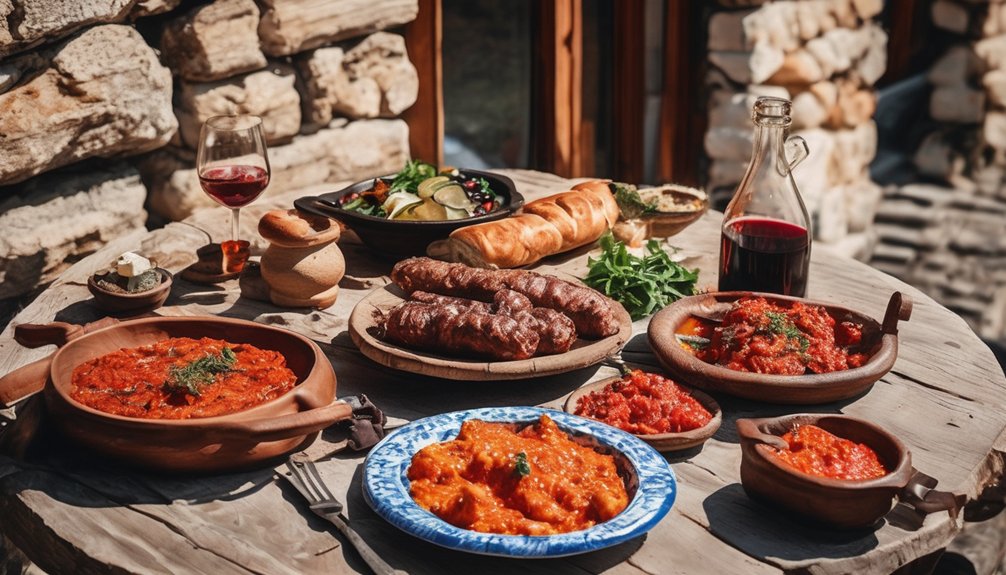
Experiencing Serbian food in Serbia is more than a meal—it’s a celebration of tradition and hospitality. Begin with a sip of rakija, a local fruit brandy, which often marks the start of any gathering.
Take your time as you explore the array of flavors on offer. Serbian dining emphasizes slow enjoyment, so let the aromas of grilled meats, fresh breads, and rich stews linger.
Ask your host about the origins of dishes like sarma or ajvar. Locals are proud of their culinary heritage and enjoy sharing food stories.
Sampling a variety of meze—small plates of cheese, cured meats, and fresh vegetables—offers a true taste of the region. Accept homemade offerings graciously, as hospitality is at the heart of Serbian culture.
Be sure to try local desserts such as krempita or baklava to end your meal on a sweet note.
Frequently Asked Questions
Are Traditional Serbian Dishes Suitable for Vegetarians or Vegans?
Exploring Serbian cuisine raises important questions for vegetarians and vegans. While Serbia is famous for its hearty meat dishes, there are traditional recipes that cater to plant-based eaters. Vegetarians will find options such as ajvar, a roasted red pepper spread, and prebranac, a rich baked bean casserole. Seasonal salads and grilled vegetables are also widely available across the country.
However, vegans face greater challenges. Many dishes, even those without meat, often include cheese, eggs, or dairy-based sauces. For example, gibanica, a popular pastry, relies on cheese and eggs. It’s essential to ask about ingredients, as recipes can vary between regions and establishments. Bread, salads, and certain stews may be vegan-friendly, but cross-contamination is possible in traditional kitchens.
If you follow a strict vegan diet, communicate your requirements clearly when dining out. Consider learning a few key Serbian phrases to help clarify your needs. Planning ahead and researching local eateries with vegan-friendly options can enhance your dining experience.
Is Serbian Food Generally Spicy or Mild?
Serbian cuisine is best known for its bold yet approachable flavors, focusing on natural ingredients rather than intense heat. Most Serbian dishes are considered mild, highlighting the quality of local produce, meats, and dairy. Spices such as paprika, black pepper, and fresh herbs add complexity, but they rarely overpower the dish or create spiciness.
Traditional favorites like ćevapi (grilled minced meat), sarma (cabbage rolls), and gibanica (cheese pie) rely on fresh herbs and careful seasoning. Instead of fiery spices, Serbian food delivers rich, savory notes through charcoal grilling, slow roasting, and generous use of vegetables. Garlic, onion, and parsley are staple additions, enhancing flavor without adding sharp heat.
While some regional specialties might include a hint of chili or hot pepper, these are the exception rather than the rule. Serbian cuisine aims to create a balanced and hearty experience. Meals are designed to be satisfying and comforting, making them accessible to a wide range of palates.
Can I Find Gluten-Free Options in Serbian Restaurants?
If you’re following a gluten-free diet, dining in Serbian restaurants is possible and enjoyable. In major cities like Belgrade and Novi Sad, awareness of gluten intolerance has grown. Many menus now feature gluten-free dishes or can adapt existing ones, especially if you inform the staff of your needs.
Traditional Serbian cuisine offers several naturally gluten-free choices. Grilled meats, such as ćevapi and pljeskavica, are typically made without breadcrumbs or flour. Fresh salads, like the popular shopska salad, and roasted seasonal vegetables are also safe picks. Bean stews and certain dairy-based appetizers may suit gluten-free diners, but always verify with your server as recipes can vary.
Communication is key—don’t hesitate to ask which menu items are gluten-free or can be modified. Most restaurant staff are familiar with dietary restrictions and will gladly help you select suitable dishes. Some venues even offer gluten-free bread or desserts upon request.
When exploring local cuisine in Serbia, planning ahead can enhance your experience. Call ahead to confirm gluten-free options, especially outside larger cities where awareness may be lower. With a little preparation, you can enjoy authentic Serbian flavors while keeping your diet safe and satisfying.
Are There Common Food Allergies to Be Aware of in Serbian Cuisine?
If you have food allergies, understanding common allergens in Serbian cuisine is essential for a safe and enjoyable experience. Serbian dishes frequently include dairy, wheat, nuts, and eggs, each presenting unique risks for sensitive individuals. Cheese-based specialties like kajmak and sir are staples at many meals, while bread and pastries, such as pogača and burek, contain wheat and may also include eggs. Nut-based desserts, especially those featuring walnuts or hazelnuts, are popular at family gatherings and celebrations.
Cross-contamination can be a concern, particularly with homemade or traditional recipes, as ingredients often vary between regions and households. Always communicate your dietary restrictions clearly when dining out. Many restaurants in Serbia prepare food fresh, allowing for ingredient adjustments if you ask in advance.
If you are highly allergic, it’s wise to carry a card listing your allergens in Serbian. This helps bridge any language gap and ensures your needs are understood. While Serbian cuisine is known for its bold flavors and hospitality, vigilance is necessary to avoid unexpected allergic reactions. By staying informed and proactive, you can safely enjoy the rich culinary traditions Serbia has to offer.
How Do You Pronounce Popular Serbian Dish Names?
Exploring Serbian cuisine becomes more rewarding when you can confidently pronounce its iconic dishes. Correct pronunciation not only helps you order food like a local, but also shows respect for Serbian culture.
Begin with “ćevapi,” a beloved grilled meat specialty. Say it as cheh-VAH-pee, putting the emphasis on the second syllable. Next, try “sarma,” the classic cabbage roll dish. Pronounce it as SAR-mah, keeping your tone even and clear.
For the famed roasted pepper spread, “ajvar,” use EYE-var, stressing the first syllable. When ordering the popular Balkan burger, “pljeskavica,” pronounce it as plyes-KAH-vee-tsa. Break it into four clear segments, with emphasis on the third.
Getting these pronunciations right will enhance your dining experience in Serbia. It can also help you connect with locals and avoid common misunderstandings. Take time to practice out loud before your trip or restaurant visit.