
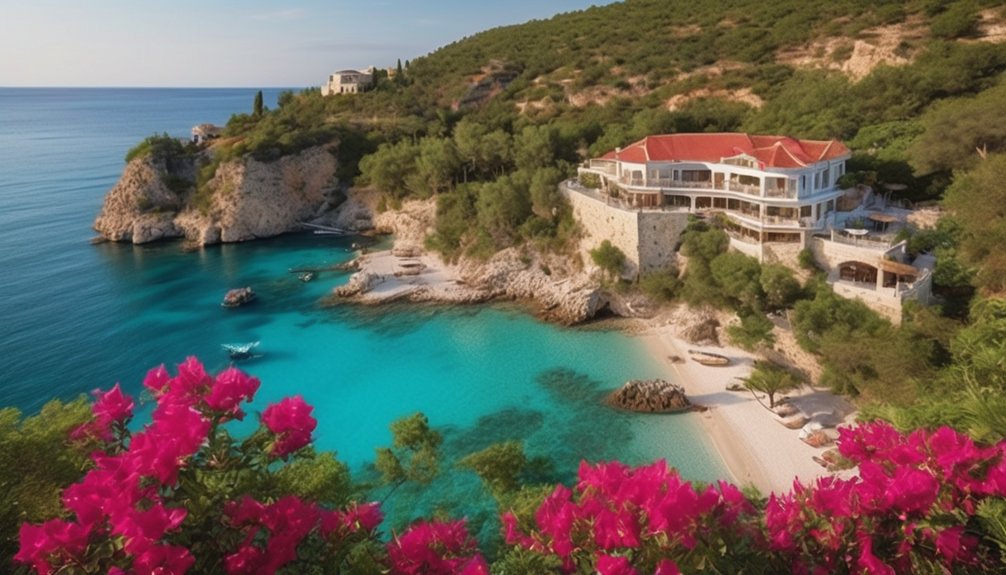
Montenegro Holidays in 2026 – Montenegro’s Adriatic coast promises an unforgettable holiday in 2026. Start your journey in Kotor, where medieval stone walls and narrow alleys invite exploration. The old town bursts with history, offering panoramic views over the bay and vibrant local markets. Along the coast, Budva welcomes you with sun-soaked beaches and lively seaside promenades. Its blend of ancient architecture and modern energy creates an ideal setting for both relaxation and entertainment.
Venture further to discover peaceful bays framed by dramatic mountain peaks. Savor freshly caught seafood in family-run konobas, where authentic Montenegrin flavors shine. Each coastal town introduces its own charm, from the tranquility of Perast to the cultural buzz of Herceg Novi.
Spring and early autumn are ideal for visiting, offering mild weather and fewer crowds. This timing allows for a more immersive experience, whether you seek hidden coves or vibrant nightlife. Montenegro’s Adriatic coast continually reveals new surprises, making every visit unique. Plan your 2026 Montenegro holiday and experience a destination where tradition meets natural beauty at every turn.
What Makes Montenegro Holidays the Adriatic’s Hidden Gem?
Nestled along the Adriatic, Montenegro stands out as an authentic destination for travelers seeking something beyond the ordinary. Its coastline blends dramatic mountains with tranquil bays, offering stunning views at every turn.
Medieval towns like Kotor and Budva invite exploration, their ancient walls and narrow streets telling stories of centuries past. Montenegro holidays deliver more than beautiful beaches. The country’s family-run konobas serve homemade dishes crafted from local ingredients, introducing visitors to genuine Balkan flavors.
Hidden coves along the coast remain uncrowded, perfect for peaceful swims in turquoise waters. Nature lovers can hike through emerald-green national parks, discovering pristine lakes and breathtaking panoramas.
What truly sets Montenegro apart is its sense of intimacy. Even in the height of summer, you find space to connect with both nature and welcoming locals.
Montenegro holidays in 2026 promise a rare blend of cultural depth and natural beauty, making it a true hidden gem of the Adriatic. Whether you seek relaxation or adventure, Montenegro offers an experience that feels personal and unforgettable.
Montenegro Holidays in 2026 – When to Visit Montenegro: Best Seasons for Coastal Holidays
Seasonal rhythms define every Montenegro holiday along the Adriatic coast. For those planning Montenegro holidays in 2026, timing is essential to capture the region’s best.
Late spring, especially May and June, offers mild temperatures and blooming landscapes. These months are perfect for visitors seeking uncrowded beaches and a peaceful atmosphere, making them ideal for relaxed Montenegro tours.
Peak summer, during July and August, draws travelers eager for lively beaches, vibrant nightlife, and festivals. Expect warm seas and energetic coastal towns—ideal if you thrive on activity and sun-soaked days.
Early autumn, particularly September, brings a welcome balance. The crowds thin, but the sea remains inviting and the air warm, creating a tranquil retreat for those wanting to unwind after the peak season.
Each season delivers a unique perspective on the Adriatic coast, whether you crave festive excitement or a quieter escape.
Consider your preferred pace and style of holiday before choosing your travel dates. From tranquil spring days to bustling summer nights, Montenegro’s coast has a perfect time for every traveler.
Top Coastal Destinations in Montenegro for 2026
Montenegro’s Adriatic coast is set to shine in 2026, offering a collection of unique destinations for discerning travelers.
Start with Kotor, where medieval architecture and fortress walls rise above a breathtaking bay. The UNESCO-listed Old Town is a haven for history lovers and photographers alike.
Budva stands out for its vibrant atmosphere, combining golden beaches with a lively old town filled with cafes and nightlife.
For a touch of Venetian charm, Perast enchants with its elegant palaces and serene waterfront, perfect for relaxed strolls or boat trips to nearby islets.
Seeking tranquility? Petrovac delivers a peaceful retreat, surrounded by fragrant pine forests and sheltered coves ideal for swimming or quiet reflection.
Herceg Novi, at the Bay of Kotor’s entrance, welcomes visitors with botanical gardens, historic ramparts, and a laid-back promenade.
Each destination along Montenegro’s coastline promises a distinct experience, blending natural beauty with rich culture.
Whether you crave adventure, relaxation, or cultural discovery, Montenegro’s top coastal spots in 2026 offer unforgettable moments by the Adriatic Sea.
Can’t-Miss Experiences Along Montenegro’s Coast
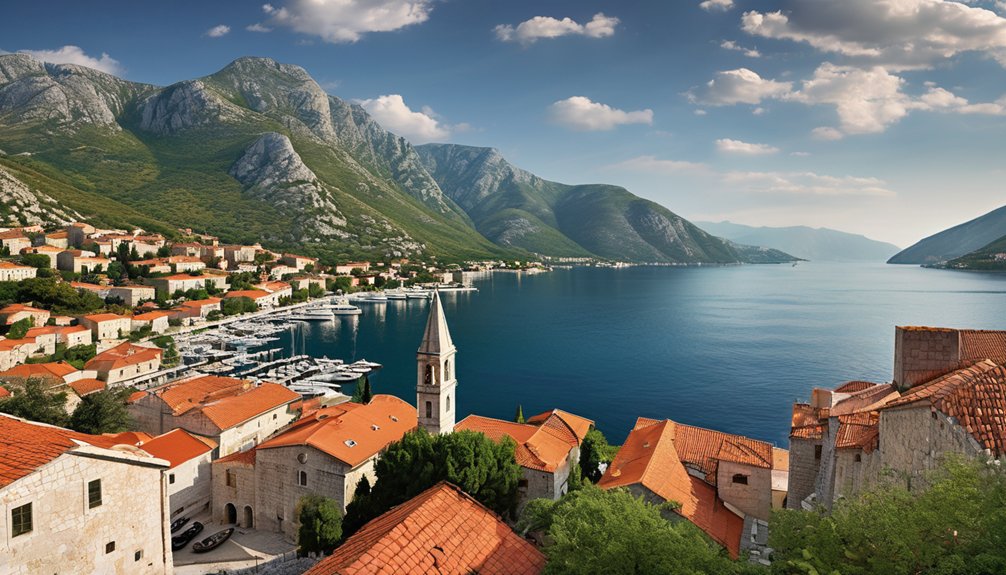
From the first light over Montenegro’s Adriatic coast to evenings spent in historic towns, every moment offers discovery.
Begin your journey in Kotor, where medieval walls and winding streets echo centuries of maritime history. Early risers can enjoy peaceful walks along the bay, with church bells marking the start of a new day.
Venture to Perast, a charming village famed for its baroque palaces and iconic islet churches. Take a short boat ride to Our Lady of the Rocks, an island sanctuary steeped in legend and ideal for striking photographs. These tranquil settings invite you to pause and absorb the region’s unique character.
Continue along the Budva Riviera, where vibrant promenades contrast with secluded coves. Swim in crystal-clear waters, or relax on pebble beaches surrounded by dramatic cliffs.
Savor local seafood at a traditional konoba, where every meal reflects the Adriatic’s rich flavors.
Montenegro’s coast blends history, nature, and gastronomy in ways that reward every traveler’s curiosity. Each destination brings its own charm, ensuring your coastal experience is both memorable and authentic.
Montenegro Holiday Itineraries & Insider Tips for 2026
Montenegro in 2026 promises a captivating blend of old-world charm and sun-soaked coastal escapes. Begin your journey in Kotor, where medieval walls enclose cobbled streets and stunning Adriatic views.
Explore Budva for its lively beaches and vibrant nightlife, then unwind in Perast, a tranquil waterfront village ideal for quiet reflection.
A scenic drive along the Adriatic coastline reveals hidden coves and dramatic landscapes. Plan a day trip to the Bay of Kotor, where mountains meet the sea in spectacular fashion.
For authentic experiences, sample regional cuisine at a local konoba and stroll through lesser-known villages, enjoying the genuine warmth of Montenegrin hospitality.
Travel at your own pace to make the most of spontaneous discoveries. Consider private tours for flexible scheduling and deeper local insights.
By blending iconic sites with off-the-beaten-path adventures, your Montenegro holiday in 2026 will deliver lasting memories and authentic moments.
Smart planning, guided by local knowledge, ensures you capture the best of Montenegro’s cultural treasures and seaside serenity—well beyond the usual tourist trail.
Frequently Asked Questions
Do I Need a Visa to Visit Montenegro in 2026?
Planning a trip to Montenegro in 2026? Understanding the visa requirements is essential for a smooth journey. Whether you need a visa for Montenegro depends entirely on your nationality. Citizens from the European Union, the United States, the United Kingdom, Canada, and several other countries are currently allowed to enter Montenegro visa-free for short stays, typically up to 90 days. However, requirements can change, so it’s crucial to check the latest regulations before booking your trip.
Travelers from countries not covered by Montenegro’s visa waiver agreements must obtain a visa in advance. The application process usually involves providing travel documentation, proof of accommodation, and sometimes evidence of sufficient funds. You should contact the nearest Montenegrin embassy or consulate for precise guidelines tailored to your citizenship.
As Montenegro continues aligning its travel policies with European standards, updates can occur with little notice. To avoid travel disruptions in 2026, always refer to official government sources or the Montenegrin Ministry of Foreign Affairs for the most reliable and current visa information.
What Currency Is Used in Montenegro?
Travelers visiting Montenegro will use the euro (€) for all transactions, even though the country is not a member of the Eurozone. Since 2002, the euro has functioned as the official currency, replacing the former Yugoslav dinar and Deutsche Mark. This unique arrangement simplifies travel, offering convenience for those arriving from other European countries.
If you already carry euros, you can avoid the hassle of currency exchange and start spending immediately. ATMs and card payments are widely available in cities and popular tourist areas. However, some remote villages and markets may accept only cash, so it is wise to carry small denominations.
Montenegro’s adoption of the euro means stable prices and no risk of fluctuating exchange rates for European visitors. This transparency helps travelers budget confidently during their stay. Currency exchange offices and banks are present in larger towns if you need additional cash, but bringing euros from home remains the easiest option.
Understanding Montenegro’s currency situation ensures stress-free spending and smooth transactions throughout your trip. Always keep some cash on hand for local purchases, especially outside major centers. With the euro firmly established, visitors can focus on exploring the country’s scenic landscapes and vibrant culture without worrying about currency complications.
Are English Speakers Common in Montenegro’s Tourist Areas?
When traveling to Montenegro, many visitors wonder if they will encounter language barriers in popular destinations. In the country’s main tourist areas, particularly along the Adriatic coast, English is widely understood and spoken. Hotel receptionists, restaurant servers, and local guides often communicate confidently in English, allowing travelers to move about comfortably and access essential services with ease.
Coastal towns such as Budva, Kotor, and Herceg Novi attract international visitors and have adapted accordingly. Menus, signs, and tour information are frequently available in English. This helps ensure that tourists can navigate public transport, order at restaurants, and participate in excursions without confusion.
While English is common in these tourist hubs, some rural areas may have less exposure to foreign languages. In such cases, basic phrases or translation apps can be helpful. However, most travelers find that communication is rarely a significant obstacle in Montenegro’s main vacation spots.
The country’s welcoming hospitality industry further enhances the experience, as staff are accustomed to assisting international guests. For a smooth and enjoyable visit, travelers can feel confident that English will be sufficient in Montenegro’s well-visited regions.
Is Tap Water Safe to Drink Along the Adriatic Coast?
Travelers to the Adriatic coast often wonder about tap water safety. In Croatia, Montenegro, and Slovenia, tap water is generally safe to drink, especially in established coastal towns and popular resorts. Local water authorities regularly monitor quality, ensuring that the supply meets strict health standards.
While most visitors experience no issues, those with sensitive stomachs may prefer bottled water as an extra precaution. If you travel to remote villages or small islands, check with locals or your accommodation before drinking from the tap, as infrastructure there can vary.
Restaurants and hotels commonly serve tap water, and many locals drink it daily without concern. You’ll also find public drinking fountains in cities such as Split, Dubrovnik, and Rijeka, where the water is fresh and safe. Carrying a reusable bottle helps reduce plastic waste and is convenient for refilling throughout your trip.
What Is the Typical Voltage for Electrical Outlets in Montenegro?
When planning a trip to Montenegro, understanding the local electrical standards is essential for a seamless experience. Montenegro’s electrical outlets supply a standard voltage of 230 volts and operate at a frequency of 50 Hz. This setup matches much of Europe, ensuring European travelers can use their electronic devices without any issues.
Most outlets in Montenegro accept the widely used two-pin plug types C and F. If you are visiting from countries like the United States, Canada, or the United Kingdom, your devices may require a plug adapter or even a voltage converter. Many modern electronics, such as smartphone chargers and laptops, support dual voltage. Still, it’s wise to check your device specifications before plugging in to avoid potential damage.
Travelers should always pack a reliable adapter when visiting Montenegro if their plugs differ from the European standard. This simple step prevents inconvenience and helps keep your devices powered throughout your stay. With the right preparation, you can confidently use your electronics while exploring Montenegro’s cities and countryside.