
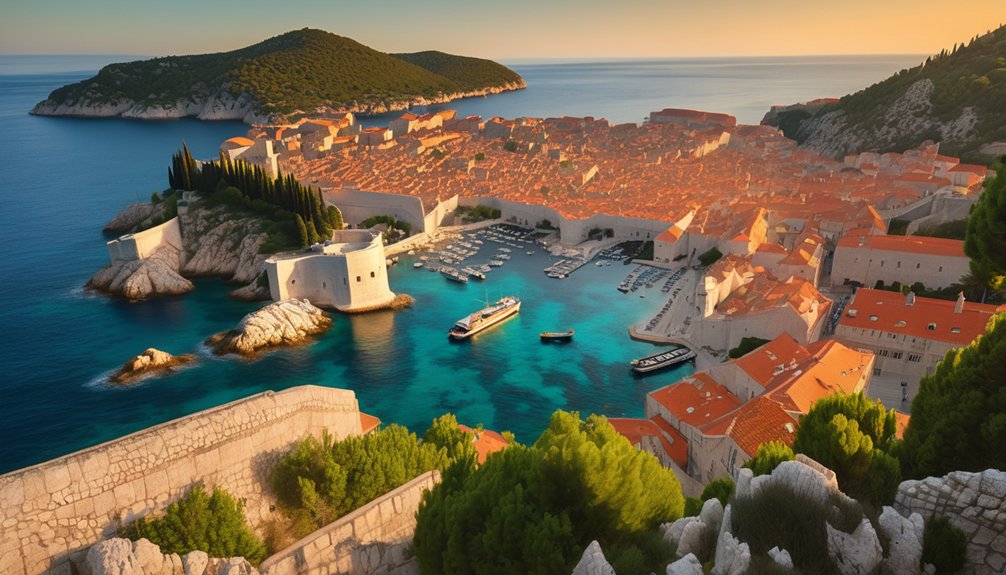
Best Places to Visit in Croatia in 2026 – Croatia stands out in 2026 as a premier travel destination, blending ancient heritage with breathtaking landscapes. Begin your journey in Zagreb, where vibrant café terraces and art-filled streets capture the capital’s lively spirit. Head south to Dubrovnik, where imposing medieval walls overlook the sparkling Adriatic Sea, offering panoramic views and a walk through centuries of history.
Along the coast, picturesque towns like Trogir and Rovinj reveal a unique mix of Venetian architecture and coastal charm. Wander their cobbled lanes, sample local cuisine, and experience authentic Croatian culture at every turn. Nature lovers will find inspiration in Plitvice Lakes National Park, famous for its cascading turquoise lakes and forest trails, as well as in Krka National Park, where you can swim beneath dramatic waterfalls.
Throughout the year, traditional festivals and events bring local customs to life, inviting visitors to join celebrations and experience Croatia’s vibrant community spirit. Private tours and scenic drives allow you to explore at your own pace, uncovering hidden coves and tranquil villages. Whether you seek history, adventure, or relaxation, Croatia’s diverse attractions promise an unforgettable escape in 2026.
Top Historic Cities to Explore in Croatia
Croatia’s historic cities offer travelers a captivating journey through time, blending architectural marvels with rich cultural traditions.
Start your exploration in Zagreb, where elegant Austro-Hungarian buildings line lively squares and charming streets. The city’s dynamic café culture and historic Upper Town showcase Croatia’s urban heritage.
In the coastal city of Split, history comes alive within the walls of Diocletian’s Palace. This ancient Roman complex forms the vibrant heart of the city, inviting visitors to wander through bustling markets and hidden courtyards.
Each stone tells a story of emperors and centuries-old traditions.
Dubrovnik stands as a jewel on the Adriatic, its formidable stone walls embracing a treasure trove of medieval architecture. As a UNESCO World Heritage site, Dubrovnik enchants with its picturesque lanes and panoramic sea views—making it one of the top places to visit in Croatia.
Don’t overlook Trogir, where Romanesque churches and narrow alleys evoke the spirit of old Dalmatia.
In Šibenik, grand fortresses and Gothic cathedrals reflect a legacy shaped by both Venetian and Croatian rulers.
These historic cities reveal Croatia’s diverse past, shaped by Mediterranean and European influences, and promise an unforgettable travel experience.
Croatia’s Best Adriatic Coastal Towns
Discover the true spirit of Croatia by exploring its enchanting Adriatic coastal towns. Each destination along this scenic shoreline offers a distinctive charm and a deep sense of tradition.
Begin in Rovinj, where winding alleys and vibrant facades create a picture-perfect setting for relaxed strolls. The harbor buzzes with daily life, and local fishermen bring in fresh catches that inspire the town’s renowned seafood cuisine.
Travel south to Trogir, a UNESCO-listed gem with medieval streets and lively waterfront cafés. Here, history blends seamlessly with modern coastal living, making it a favorite for travelers seeking authenticity.
Korčula, often called “Little Dubrovnik,” delights visitors with its fortified old town and stories of legendary explorers. Enjoy local wines and join friendly residents as they celebrate their maritime heritage.
Each town along Croatia’s Adriatic coast promises a genuine experience, from traditional markets to scenic promenades.
For travelers planning a visit in 2026, these destinations offer more than stunning views—they invite you to connect with the culture and history that define Croatian coastal life.
Best Places to Visit in Croatia in 2026 – Must-See National Parks and Natural Wonders
Croatia’s national parks and natural wonders offer breathtaking experiences for every nature enthusiast.
Plitvice Lakes National Park stands out with its terraced turquoise lakes and cascading waterfalls, all connected by wooden walkways. Each visit reveals new beauty—lush greenery in spring and vibrant hues in autumn.
Krka National Park captivates with the sound and spectacle of Skradinski Buk, where visitors often swim beneath a series of powerful falls.
For those seeking adventure, Paklenica National Park features dramatic limestone cliffs and deep canyons, attracting hikers and climbers eager to explore the Dalmatian hinterland.
Mljet National Park, with its tranquil saltwater lakes and dense pine forests, offers a peaceful escape and a sense of timeless mystery rooted in ancient legend.
Exploring these parks allows you to witness Croatia’s diverse landscapes, from serene waters to rugged mountains.
Whether you hike, swim, or simply enjoy the views, each destination promises a unique connection to nature.
Croatia’s protected areas invite travelers to immerse themselves in unspoiled beauty, making them essential stops for anyone seeking the country’s most remarkable natural treasures.
Unique Cultural Experiences Across Croatia
Croatia’s cultural richness unfolds in both its cities and villages. Begin in Zagreb, where locals gather in historic cafés, discussing art and music over expertly brewed coffee. This tradition of daily connection reflects the city’s creative pulse.
In Dalmatian towns, stone streets lead to vibrant town squares alive with festivals. Here, visitors and residents join in music, dance, and regional cuisine, immersing themselves in time-honored customs.
Venture further to the islands and rural coast. On Pag, intricate lace-making traditions endure, with each delicate piece telling a story of skill passed down through generations.
Along the Adriatic, you may hear harmonious klapa singing—a cherished form of a cappella music that reflects Croatia’s maritime heritage. Split’s bustling green market offers another window into local life, where vendors display sun-ripened produce and handmade goods.
Folk festivals held throughout the year provide authentic opportunities to engage with community traditions. Guests are welcomed to join locals in traditional dances and sample regional specialties.
These celebrations highlight the diversity and warmth of Croatian culture. By participating, you gain genuine insight into the spirit and hospitality that define this remarkable country. Each encounter deepens your connection to Croatia’s living heritage.
Scenic Routes for Private Touring in Croatia
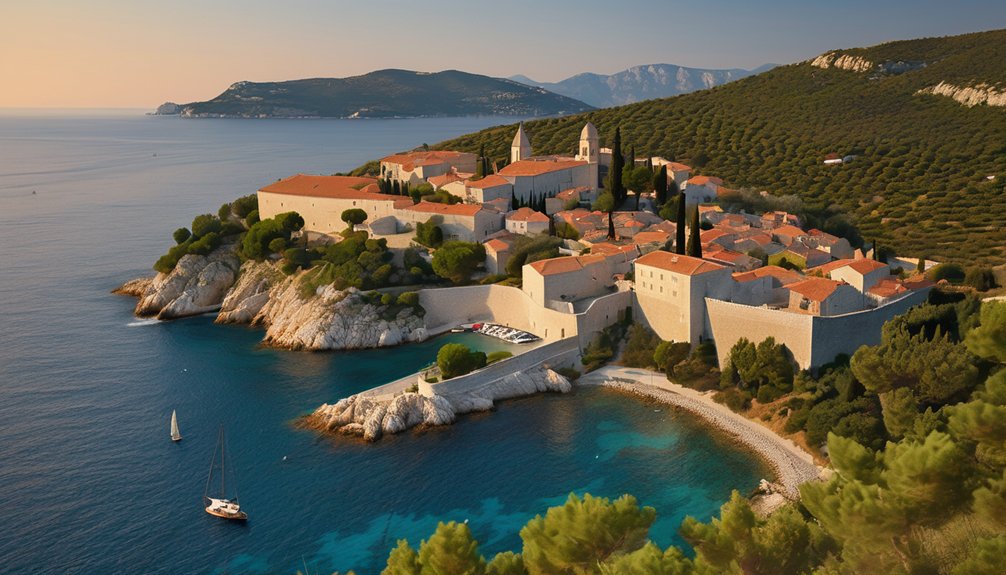
Exploring Croatia by private tour opens a world of scenic routes few travelers experience.
Venture inland for a different perspective. The journey from Zagreb to Plitvice Lakes National Park winds through tranquil countryside, picturesque villages, and lush forests. Along the way, you can stop at family-run wineries or local cafés to sample authentic Croatian flavors and hospitality.
Private touring in Croatia offers unmatched flexibility. You control the pace, choosing when and where to stop. This freedom allows you to explore lesser-known viewpoints, visit local markets, or linger in charming coastal towns without the rush of group tours.
Every route highlights Croatia’s diverse landscapes and living traditions. Whether you’re drawn to the vibrant coastline or peaceful mountain roads, a private tour ensures each moment is tailored to your interests. Experience Croatia’s beauty at your own rhythm, making each journey truly memorable and unique.
Frequently Asked Questions
What Is the Best Time of Year to Visit Croatia?
When planning a trip to Croatia, timing can make all the difference. Croatia’s coastal beauty shines brightest between May and September, when long days and warm Adriatic waters create an inviting atmosphere. During these months, cities like Dubrovnik and Split come alive with open-air festivals, bustling markets, and lively cafés. This is ideal for travelers seeking vibrant local culture and sun-drenched beaches.
However, if you prefer a quieter experience and mild temperatures, consider visiting Croatia in late spring or early autumn. May, June, and September offer comfortable weather and fewer crowds, making it easier to enjoy UNESCO World Heritage sites and scenic national parks at your own pace. Hotel rates are often more attractive outside peak months, giving you better value.
The shoulder seasons are also perfect for outdoor enthusiasts. Hike through Plitvice Lakes National Park or kayak along the Dalmatian coast without the summer rush. Whether you crave seaside relaxation or cultural exploration, Croatia offers the best experiences from May to September, with spring and early autumn providing a peaceful alternative. Plan your visit according to your preferences for weather, activities, and crowd levels to enjoy Croatia at its finest.
Do I Need a Visa to Travel to Croatia in 2026?
Planning a trip to Croatia in 2026? Understanding Croatia’s visa requirements will help you avoid travel disruptions. Whether you need a visa depends on your nationality. Citizens of European Union countries can visit Croatia without a visa. Likewise, travelers from the United States, United Kingdom, Canada, and Australia typically enjoy visa-free entry for short visits.
However, visa policies may change, so it’s crucial to check the latest information before booking your trip. The Croatian Ministry of Foreign and European Affairs website provides up-to-date entry requirements. If you are not from a visa-exempt country, you will need to apply for a visa in advance. The application process usually involves submitting travel documents, proof of accommodation, and financial means.
If you hold a Schengen visa or residence permit from a Schengen state, you may be able to enter Croatia without a separate Croatian visa, as Croatia is now part of the Schengen Area. Always confirm eligibility based on your specific travel documents.
To ensure a smooth journey, consult your nearest Croatian embassy or consulate well before your planned departure. By staying informed and preparing required documents, you can enjoy your Croatian adventure without unexpected issues.
Is English Widely Spoken in Croatia’s Tourist Areas?
Planning a trip to Croatia? You may wonder if language barriers will affect your experience. Fortunately, in Croatia’s main tourist destinations, English is spoken by many locals, especially those working in hospitality and tourism. This makes navigating popular cities like Dubrovnik, Split, and Zagreb straightforward for English-speaking travelers.
Hotel staff, restaurant servers, and guides usually communicate fluently in English. You can expect clear assistance when checking in, ordering meals, or booking tours. Most menus and informational signs in these areas are available in English, helping visitors feel comfortable and confident.
While exploring attractions or using public transport, you will likely find English-speaking assistance. Younger Croatians, in particular, tend to have a strong command of English due to its presence in education and media.
However, in smaller villages or less-visited regions, English may be less common. Learning a few basic Croatian phrases can enhance your experience and show respect for local culture. Still, language rarely becomes a major barrier in tourist hubs.
With its welcoming atmosphere and English-friendly environment, Croatia remains an accessible destination for international visitors. Whether you’re seeking adventure or relaxation, you can enjoy the country’s highlights without language concerns.
What Local Foods Should I Try While Visiting Croatia?
Croatia’s cuisine is a vibrant blend of Mediterranean and Central European influences, offering unique dishes across its diverse regions. Along the Adriatic coast, seafood reigns supreme. Enjoy freshly caught fish, octopus salad, and grilled calamari, often served with homegrown olive oil and lemon.
One signature dish is black risotto (crni rižot), made with cuttlefish ink, garlic, and rice. Its striking color and briny flavor make it a memorable local experience. In Dalmatia, don’t miss pasticada—a slow-cooked beef stew marinated in red wine and spices, typically paired with pillowy gnocchi.
Venture to Istria for an entirely different culinary adventure. Here, wild truffles elevate everything from pasta to scrambled eggs, showcasing the region’s prized ingredient. Local cheeses, such as Paški sir from the island of Pag, reflect the character of Croatia’s landscapes and traditions.
No meal is complete without sampling Croatia’s renowned olive oils, which rank among the best in the world. Pair them with fresh bread and seasonal produce for a true taste of the country.
Exploring these local foods in Croatia is more than a meal—it’s a journey into the nation’s culture and history. Each bite offers insight into the land’s rich heritage and diverse flavors, making your visit truly unforgettable.
Are Credit Cards Accepted Throughout Croatia?
When planning a trip to Croatia, understanding payment options is essential for a smooth experience.
However, travelers should be aware that acceptance is not universal. In smaller towns, rural areas, and at local markets, cash is often preferred or required. Some family-run establishments and independent vendors may only accept Croatian kuna or euros. It’s wise to carry a reasonable amount of local currency for incidental expenses, public transport, or small purchases.
ATMs are plentiful in Croatian cities and resort areas, offering convenient cash withdrawals. Notify your bank before traveling to avoid card issues abroad, and always check for transaction fees with your provider. Using a credit card in Croatia is generally safe, but monitor your statements for unauthorized charges and use secure payment terminals.
Being prepared with both a credit card and some cash ensures flexibility and ease during your travels. With this approach, you can confidently navigate Croatia’s diverse hospitality and retail landscape.