
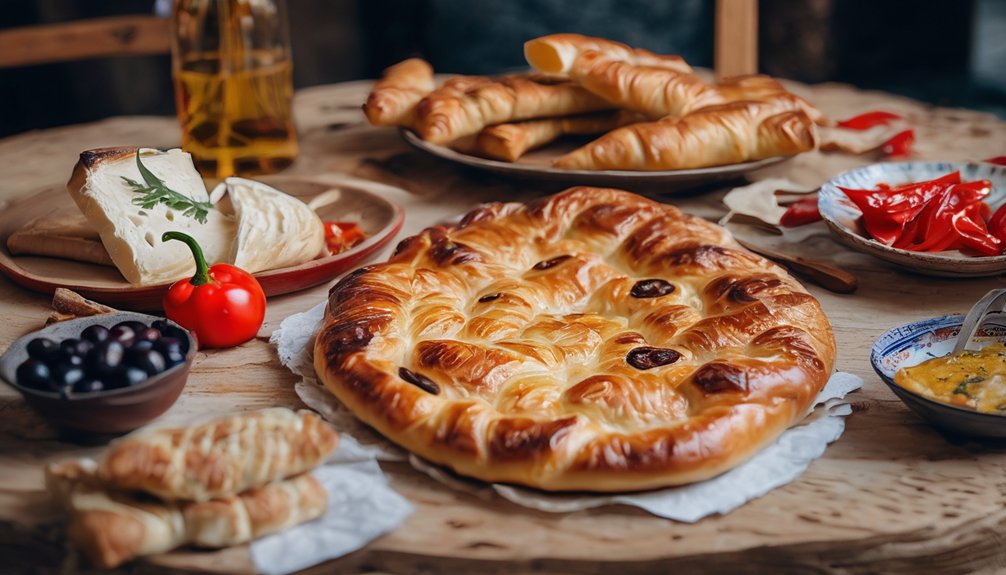
Montenegrin Food You Need to Try – Montenegrin cuisine is a vibrant tapestry of Mediterranean, Balkan, and Ottoman influences. Start your journey inland, where mountain villages serve Njeguški pršut—a renowned smoked ham—alongside dense, creamy kačamak and rustic homemade breads. These traditional dishes reflect centuries of local craftsmanship and pride.
On the Adriatic coast, the culinary experience shifts to the sea. Savor grilled calamari, black risotto, and octopus salad, each dish highlighting the region’s abundant seafood and the use of fresh olive oil and local herbs. The flavors here are bright and wholesome, rooted in coastal tradition.
Markets and family-run konobas (taverns) offer an authentic taste of Montenegrin hospitality. Here, recipes are passed down through generations, ensuring every meal connects you to the country’s rich history. Whether enjoying a hearty mountain stew or a fresh seafood platter, each bite reveals something unique about Montenegro’s culture.
If you seek a genuine food adventure, explore both the mountains and the coastline. You’ll find that every region tells its own story through food. Montenegro invites you to discover its spirit at every table, where tradition and flavor meet in every dish.
Key Traditions and Influences in Montenegrin Cuisine
Montenegrin cuisine stands out for its rich blend of Mediterranean, Balkan, and Central European influences. Centuries of history have shaped a food tradition that unites coastal freshness with hearty mountain fare.
On the Adriatic coast, you’ll discover dishes featuring olive oil, aromatic herbs, and abundant seafood. Grilled fish, octopus salad, and black risotto reflect the deep ties to Mediterranean culinary practices.
Travel inland, and the cuisine shifts. The northern mountains offer robust flavors rooted in rural traditions. Here, locals serve slow-cooked lamb, aged cheeses, and savory stews.
Breads baked in wood-fired ovens and homegrown vegetables add authenticity and depth to each meal. The legacy of Ottoman rule appears in specialties such as stuffed peppers and baklava, while Italian and Slavic elements surface in pasta dishes and cured meats.
Markets in Montenegro overflow with fresh produce and local wines, inviting visitors to sample the region’s natural bounty. Each bite tells a story of cultural exchange and adaptation.
Understanding these influences not only enriches your appreciation, but also reveals the diverse culinary heritage at the heart of Montenegrin cuisine. Savoring these traditions offers a true taste of Montenegro’s unique identity.
Montenegrin Food You Need to Try – Must-Try Montenegrin Dishes
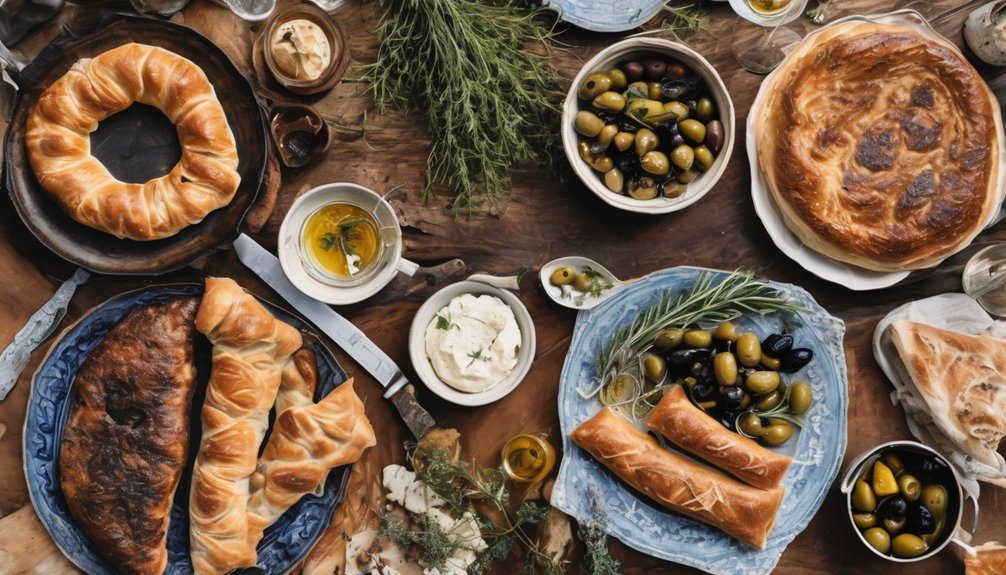
Exploring Montenegro’s food scene offers a delicious introduction to its culture and landscapes. Dining here means discovering must-try Montenegrin dishes that embody both history and local flavor.
Begin with Njeguški pršut, the country’s signature air-dried ham. Cured in mountain air and smoked over beech wood, this delicacy delivers a deep, robust taste unique to the region.
Move on to kačamak, a beloved staple in Montenegrin households. This hearty blend of cornmeal and potatoes, enriched with creamy cheese, provides comfort after a day exploring Montenegro’s mountains or coast.
For another authentic experience, try cicvara—a rich, hot dish made from cheese and cornmeal, often enjoyed at family gatherings or rustic taverns.
Montenegro’s cuisine reflects centuries of diverse cultural influences and natural abundance. Each traditional dish tells its own story, shaped by geography and heritage.
Sampling these foods not only satisfies the palate but also connects you to the country’s traditions and hospitality.
No Montenegrin journey is complete without tasting its celebrated specialties. Let each bite introduce you to the authentic flavors and storied past of this remarkable Balkan destination.
Seafood Delicacies of the Adriatic Coast
Framed by the brilliant Adriatic, Montenegro’s coast is a haven for seafood lovers seeking authentic Mediterranean flavors. Local konobas, or traditional taverns, showcase the region’s maritime heritage through simple yet exquisite dishes.
Grilled calamari, often served straight from the fire, highlights the freshness of the day’s catch. Black risotto, infused with cuttlefish ink, delivers a deep, briny taste unique to the Adriatic Coast.
Octopus salad is another standout, marrying tender seafood with olive oil, lemon, and fresh herbs. This dish epitomizes the culinary influence of the Mediterranean. Menus shift daily based on the fishermen’s haul, often featuring just-caught sea bass, lightly seasoned and expertly grilled to preserve its delicate flavor.
Buzara, a rustic shellfish stew simmered in white wine and garlic, captures the essence of coastal Montenegro. Each spoonful offers a taste of the sea’s bounty and the region’s long-standing traditions.
For travelers seeking genuine Adriatic seafood delicacies, Montenegro’s coastline offers an unparalleled blend of freshness, simplicity, and tradition.
Mountain Cuisine: Hearty Flavors of Northern Montenegro
Tucked high among the northern peaks, Montenegro’s mountain cuisine reveals a rich and authentic side of the country’s food culture. This region’s flavors stem from centuries-old traditions and the natural abundance of its rugged landscape. Hearty dishes like kačamak—a robust mix of potatoes, cornmeal, and local cheese—are central to mountain tables. Smoked meats, cured with beech wood, introduce deep, savory notes, while rustic bread, baked in cast-iron pots, adds a satisfying crunch.
Dairy products hold a special place in northern Montenegro. Small farms produce tangy cheeses and creamy kajmak from sheep and cow milk, reflecting the region’s dedication to quality and freshness. Each meal is a testament to self-reliance and respect for the land. Locals rely on seasonal ingredients, ensuring every bite is flavorful and nourishing.
Exploring mountain cuisine in northern Montenegro connects visitors to the area’s heritage. The food not only satisfies hunger but also embodies resilience and a deep connection to nature.
For travelers and food enthusiasts, these traditional dishes deliver an unforgettable taste of Montenegro’s northern spirit—simple, hearty, and shaped by the mountains themselves.
Best Places to Experience Authentic Montenegrin Food
Montenegro’s culinary landscape is best discovered away from the usual tourist routes, where tradition shapes every meal. In Kotor’s old town, family-run konobas invite you to taste authentic Montenegrin food in intimate, stone-walled settings. Here, slow-cooked lamb or veal, seasoned with local herbs, fills the air with irresistible aromas.
Along the tranquil shores of Lake Skadar, local restaurants specialize in freshly caught carp and eel, grilled over open flames and complemented by crisp regional wines.
Venture into the mountain villages near Žabljak for rustic stews and handcrafted cheeses, often served at wooden tables with sweeping views of untouched nature. These experiences connect you directly to Montenegro’s rich heritage, where recipes pass from one generation to the next. Meals aren’t just about sustenance—they’re about community and the deep pride locals take in their cuisine.
To experience the true flavors of Montenegro, choose eateries that emphasize regional ingredients and family recipes. Whether dining in a centuries-old tavern or a lakeside retreat, you’ll savor dishes that reflect the country’s diverse landscapes and long-standing traditions.
Each visit offers a genuine taste of Montenegrin hospitality and a lasting connection to its culinary roots.