

Explore Subotica Architecture – As you wander Subotica’s streets, the architecture refuses to fit into a single mold. Each façade becomes a layered story in brick and stone. Hungarian Secession details mingle with Art Nouveau curves and classical symmetry. Together, they form a bold tapestry of color and intricate design. Every corner reveals something unexpected and carefully crafted.
Ornate tiles shimmer across rooftops and doorways in surprising patterns. Whimsical floral motifs and mythic creatures dance along balconies and cornices. Delicate sculpted ironwork twists into vines, hearts, and abstract forms. These handcrafted details set the city apart from others in the Balkans. They also reveal the ambitions of patrons, architects, and craftspeople.
The decorations are not just charming surface embellishments. They reflect shifting empires, diverse communities, and overlapping cultural influences. Local pride is etched into every frieze and stained-glass window. Aesthetic choices whisper stories of prosperity, identity, and resistance. What deeper narratives hide behind this striking visual fusion of styles?
Subotica’s Unique Architecture: What Sets It Apart in the Balkans
Among the many architectural gems in the Western Balkans, Subotica stands out with its striking, imaginative cityscape. It blends Art Nouveau, Hungarian Secession, and eclectic influences into a single, recognizable style. When you explore Subotica architecture, you’ll encounter buildings that feel both historic and playfully modern. The city doesn’t just preserve the past; it reinvents it through design. This fusion makes Subotica unlike anywhere else in Serbia.
Subotica’s unique architecture invites you to linger over intricate facades and handcrafted details. You’ll notice whimsical floral motifs, colorful tiles, and ornate ironwork at every turn. Vibrant colors soften grand forms, giving the streets a warm, almost theatrical atmosphere. These visual elements aren’t random decoration, but part of a consistent architectural language. Together, they create a sense of place that feels coherent and deeply personal.
As you wander the streets, you’ll sense a strong community spirit woven into the city’s buildings. Locals often speak with pride about Subotica’s creative heritage and distinctive skyline. Public spaces, cafes, and cultural institutions are framed by these expressive facades. The result is a city that feels both intimate and visually rich. Architecture becomes a living backdrop to everyday life.
For travelers seeking connection and authenticity on their Serbia trips, Subotica feels especially rewarding. You’re not just ticking off monuments or snapping quick photos. Instead, you experience a city where design shapes how people meet, walk, and gather. Subotica offers the chance to feel part of a continuing story. Here, beautiful structures are more than sights; they’re expressions of a living, creative heritage.
Explore Subotica Architecture – Architectural Influences: From Hungarian Secession to Classical Styles
To truly appreciate Subotica’s architectural charm, you need to look closely at its richly layered influences.
As you explore Subotica architecture, you’ll notice a distinctive blend of styles and cultural heritage.
The city draws heavily from the Hungarian Secession movement, a regional branch of Art Nouveau.
This movement flourished in the early 20th century, shaping many of Subotica’s most iconic facades.
Hungarian Secession brings vibrant ornamentation and colorful, decorative details to the streets.
Organic motifs, flowing lines, and playful shapes animate balconies, windows, and rooftops.
These elements give everyday buildings a sense of artistry and whimsy.
They transform the city’s urban fabric into an open‑air gallery of crafted design.
Yet Subotica doesn’t stop with Art Nouveau influences alone.
Classical styles also assert their presence, adding depth and historical resonance.
Neoclassical symmetry introduces order and balance to important public buildings.
Renaissance flourishes appear in decorative stonework and carefully proportioned facades.
Baroque grandeur surfaces in bold curves, rich detailing, and dramatic compositions.
Each building reveals a story of cultural mingling and shared histories.
Architectural details reflect the city’s multiethnic past and diverse communities.
Different traditions coexist side by side, forming a distinctive visual identity.
When you explore Subotica architecture in 2026, you see more than beautiful structures.
You experience a living, evolving heritage written into every street and square.
Art Nouveau Highlights: Subotica’s Iconic Buildings to See
Step into Subotica’s center and you’ll stand among the Balkans’ finest Art Nouveau masterpieces. The City Hall dominates with ornate ceramic tiles and flowing floral designs. Its sweeping curves and warm colors set the town’s distinctive architectural tone. Every angle reveals another crafted detail that rewards patient observation.
Just a short walk away, the Synagogue gleams with vivid colors and luminous stained glass. Its generous domes and decorative elements blend Hungarian Secessionist style with local tradition. Inside and out, you see a dialogue between faith, artistry, and community. The structure feels both grand and intimate, welcoming reflection.
Nearby, the Raichle Palace immediately captures attention with its playful, asymmetrical façade. Curving lines, colorful tiles, and sculpted details create a sense of cheerful fantasy. Standing before it, you notice how every window frame feels individually designed. The building expresses both personal creativity and regional pride.
As you wander between these landmarks, the streets feel like an open-air gallery. Each façade tells stories of cultural exchange and civic ambition. These buildings do more than decorate the city; they express identity and continuity. Walking here, you sense a living heritage that still shapes everyday life.
Explore Subotica Architecture – Walking Tours for Hidden Architectural Features
While Subotica’s famous landmarks draw the eye, its real character often hides in plain sight.
Join a walking tour to uncover small but striking details along quiet streets.
You’ll notice ornate ironwork, stained glass, and unexpected motifs tucked above doorways and balconies.
Each detail hints at overlapping histories and influences that shaped this borderland city.
Guides from Balkan Tours do more than point at façades and monuments.
They weave stories of craftsmen, merchant families, and long‑vanished workshops.
Through their narratives, forgotten names and skills return to life.
You begin to understand why certain streets feel Hungarian, Central European, or distinctly Balkan.
Even a single doorway can carry echoes of migration, prosperity, or conflict.
You’ll see ceramic tiles echoing Hungarian Secessionist patterns in subtle color and line.
A modest courtyard might reveal an Ottoman legacy in its layout and shaded intimacy.
Fragments of Art Nouveau ornament sit beside sober neoclassical stonework on the same block.
These contrasts slowly teach you how to read the city like an open book.
Walking these routes with others who share your curiosity creates instant companionship.
Conversations begin over a balcony railing or a carved lintel you almost missed.
The city becomes a collaborative puzzle that everyone helps to solve.
By the end, overlooked corners feel personal, almost familiar.
You leave sensing that Subotica’s living architectural story now quietly includes you.
Local Traditions Shaping Subotica’s Architectural Identity
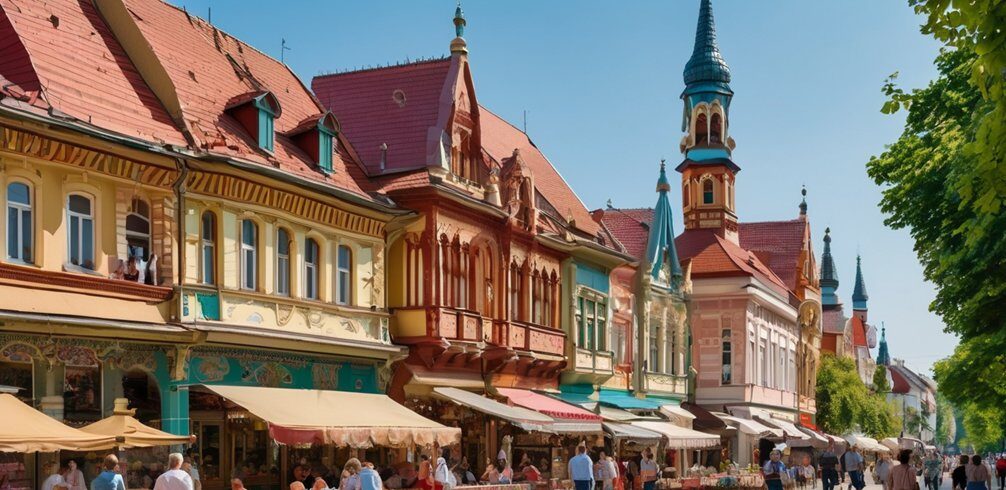
Amid Subotica’s lively streets and quiet courtyards, local traditions shape the city’s architectural identity every day. When you stroll through these neighborhoods, you notice folk motifs, family crests, and vibrant ceramic tiles everywhere. These details reflect the city’s layered multicultural heritage, visible in even the smallest corners. Each street feels like an open-air gallery of shared memory and meaning.
Artisans embrace age-old techniques passed carefully from one generation to the next. They blend Hungarian, Serbian, and Jewish influences into each façade and doorway. Ironwork echoes folk embroidery, while painted stucco mirrors regional textiles. Every craft decision becomes a dialogue between memory and innovation.
As you walk, you become part of a living tapestry unfolding around you. Every architectural detail tells a story of shared customs and community pride. It’s never just about bricks, mortar, or fresh paint. The buildings themselves speak of welcome, resilience, and everyday ritual.
Traditional festivals inspire colorful patterns, floral motifs, and playful decorative flourishes. Seasonal celebrations leave traces on balconies, gates, and courtyard walls. Communal values foster collaboration between neighbors, craftsmen, and architects. By recognizing these traditions, you connect with Subotica’s past and present, feeling the city’s heartbeat in every building.
Tour Subotica’s Architecture in Luxury With Balkan Tours
Set out to discover Subotica’s architectural treasures in comfort with Balkan Tours, where luxury meets cultural immersion. Travel through the city’s Art Nouveau marvels and historic landmarks in a sleek Mercedes-Benz. Knowledgeable guides reveal the stories behind each facade, bringing every street to life. Their commentary helps you understand how architecture reflects the city’s changing identity over time. You move at a relaxed pace, able to savor every detail.
The curated itinerary ensures you don’t just see the city; you truly experience its layered heritage. Admire the ornate City Hall, a centerpiece of Subotica’s civic pride. Visit synagogues that reflect the city’s rich Jewish heritage and enduring multicultural character. Explore Secessionist masterpieces that showcase European artistic currents adapted to local traditions. Each stop reveals connections between design, politics, and everyday life.
Every detail of your tour is tailored to your preferences and rhythm. Your private chauffeur ensures smooth, stress-free travel between landmarks. Guides offer thoughtful context, highlighting how Subotica’s mix of cultures shaped its skyline. You’re not a passive observer; you’re welcomed into an unfolding narrative. Architecture becomes a language connecting people, history, and place in compelling ways.
With Balkan Tours, you join a community that values both comfort and authentic discovery. Conversations with guides and locals add depth beyond standard sightseeing. You leave with a nuanced understanding of Subotica’s architectural and cultural legacy. The memories extend beyond photographs, rooted in stories and personal encounters. Luxury and meaning blend seamlessly, creating a truly distinctive travel experience.