
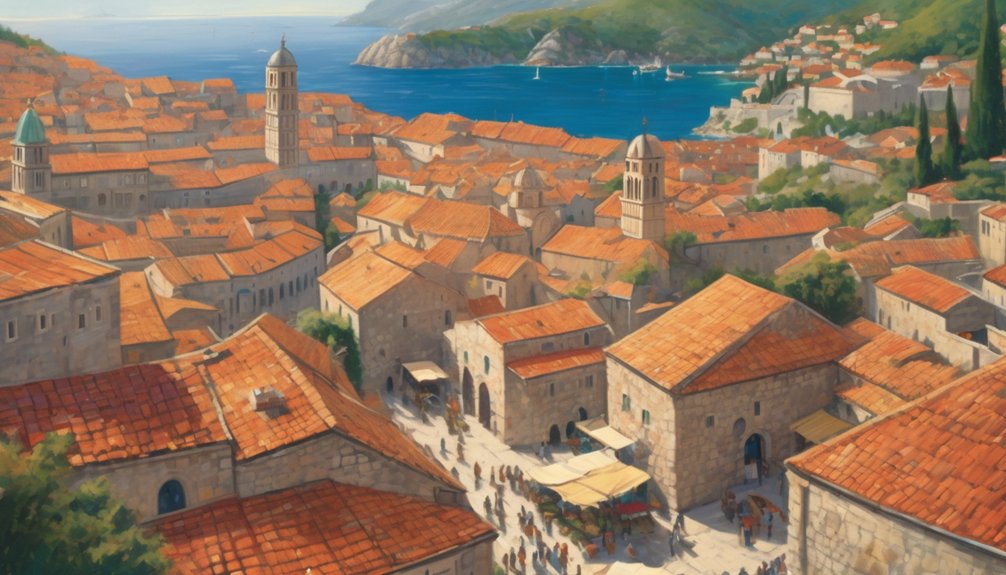
Balkan Itinerary for 14 Days – Embark on a 14-day Balkan itinerary that showcases the region’s vibrant culture, diverse landscapes, and rich history. Begin in Dubrovnik, where you’ll explore ancient city walls and stroll through marble-paved streets. Next, travel inland to Sarajevo, a city renowned for its East-meets-West atmosphere. Enjoy authentic Bosnian coffee in the bustling bazaars and immerse yourself in local traditions.
Continue your journey to Belgrade, Serbia’s dynamic capital, where riverside nightlife pulses until dawn. From there, take a scenic drive to the breathtaking Bay of Kotor. Its dramatic fjord-like setting and medieval town offer perfect photo opportunities. Seek out family-run wineries along the way to experience regional flavors and hospitality.
Head north to Slovenia’s enchanting Lake Bled, where emerald waters and a fairytale island create a tranquil retreat. Throughout your travels, use quieter border crossings to save time and enjoy more scenic routes.
This two-week Balkan adventure blends iconic highlights with authentic local experiences. Whether you’re a culture enthusiast, foodie, or nature lover, the Balkans offer unforgettable discoveries at every turn. Start planning your journey and unlock the best of this captivating region.
Must-See Destinations for a 14-Day Balkan Trip
A 14-day Balkan trip promises an immersive blend of history, landscapes, and culture unique to southeastern Europe. Start your adventure in Dubrovnik, where medieval walls and Adriatic views create a dramatic setting.
Continue to Sarajevo to experience vibrant markets and the city’s rich multicultural heritage. In Slovenia, stroll around Lake Bled and enjoy picturesque alpine surroundings.
Belgrade, Serbia’s lively capital, offers dynamic nightlife and riverside cafés, while Montenegro’s Kotor enchants with its fjord-like bay and medieval old town.
Don’t miss Split, where ancient Roman architecture merges with bustling seaside life. Each destination highlights the Balkans’ diversity, from Ottoman bridges to Venetian fortresses.
Traveling with a reputable Balkan tour operator ensures seamless connections and expert local guidance. This approach allows you to maximize your experience at every stop and uncover hidden gems along the way.
In just two weeks, you’ll gain a deep appreciation for the region’s layered history and natural beauty, making your Balkan adventure truly unforgettable.
Two-Week Balkan Itinerary: Day by Day
Exploring the Balkans in two weeks offers an immersive journey through some of Europe’s most fascinating cultures and landscapes.
Begin your 14-day Balkan itinerary in Belgrade, Serbia’s energetic capital, where the Sava and Danube rivers converge. Experience the city’s dynamic nightlife and historic fortresses before heading south to Sarajevo. Here, you’ll walk cobbled lanes filled with Ottoman-era charm and poignant history.
Next, venture into Croatia. Discover Dubrovnik’s iconic city walls and Split’s impressive Roman ruins. Both cities blend ancient heritage with vibrant coastal life, making them essential stops.
Continue to Montenegro, where the Bay of Kotor dazzles with dramatic mountains and quiet medieval towns along its fjord-like coastline.
End your journey in Slovenia. Wander the picturesque shores of Lake Bled and explore Ljubljana’s laid-back, café-studded streets.
Throughout your trip, take time to enjoy local cuisine, from Balkan grills to fresh Adriatic seafood.
This two-week Balkan itinerary balances famous highlights with authentic local experiences. By pacing your travels and allowing time for leisurely meals and scenic walks, you’ll savor each destination’s unique character.
With careful planning, your journey through the Balkans promises both adventure and lasting memories.
Balkan Itinerary for 14 Days – Top Cultural Experiences in the Western Balkans

Tucked between the sparkling Adriatic Sea and dramatic mountain ranges, the Western Balkans promise travelers a mosaic of cultural experiences. This region stands out for its living traditions preserved within vibrant cities and remote villages alike.
In Dubrovnik, stroll through ancient limestone alleys that tell stories of maritime glory and resilience. Sarajevo offers a sensory journey: enjoy rich Bosnian coffee in bustling Ottoman-era markets, where scents and sounds blend in a unique atmosphere.
Belgrade’s riverside nightlife offers another dimension, with floating clubs that pulse with modern energy and traditional music. Venture into Montenegro’s scenic valleys during local festivals, where visitors may join the lively kolo dance and taste authentic regional fare.
Slovenia’s family-run wineries open their doors to those eager to explore age-old wine-making customs and sample distinctive local varietals.
Throughout the Western Balkans, genuine hospitality prevails. Guests are welcomed as part of the community, experiencing a proud cultural heritage firsthand.
Each destination reveals a different facet of the region’s complex history and enduring spirit. For travelers seeking authentic encounters—whether culinary, musical, or historical—the Western Balkans deliver an unforgettable journey into the heart of Europe’s cultural crossroads.
Cross-Border Travel Tips for the Balkans
Navigating cross-border travel in the Balkans requires preparation and flexibility. The region’s borders—between Serbia, Croatia, Bosnia and Herzegovina, Montenegro, and Slovenia—can change in terms of requirements, so always confirm visa rules before your trip.
Keep your passport accessible at every crossing, as officials often check documents and may ask questions about your itinerary. Having a printed or digital copy of your route helps.
Travelers often find that smaller, less-busy border crossings move more quickly than major ones. Ask locals or your accommodation staff for advice on the fastest routes.
Scenic roads wind through mountains and along rivers, offering beautiful views and occasional roadside stalls. It’s wise to carry some local currency for snacks or emergencies, since card payments aren’t always accepted in rural areas.
Expect brief inspections at some borders, but a confident attitude and organized documents streamline the process. Each checkpoint is an opportunity to experience the Balkans’ diverse cultures, languages, and landscapes.
Planning Your 14-Day Balkan Adventure
Embarking on a 14-day Balkan adventure offers a vibrant blend of culture, scenery, and history. Maximizing your experience begins with a thoughtful itinerary. Map your route to connect energetic cities such as Belgrade, Dubrovnik, and Ljubljana with quieter mountain villages and serene lakes.
Travel between Balkan countries is generally efficient, allowing you to experience diverse landscapes and traditions in a short time.
Allocate time based on your interests. Spend a day exploring Sarajevo’s unique food scene or relax by Lake Bled’s tranquil waters. Include occasional rest days—long drives and border crossings can be taxing.
Flexibility is crucial; some of the region’s most rewarding moments come from spontaneous detours or local recommendations.
Prioritize both iconic landmarks and lesser-known gems. Wander Dubrovnik’s medieval walls, then detour to the vineyards near Skopje. Choose local accommodations for an authentic touch, and sample regional dishes in family-owned restaurants.
Frequently Asked Questions
What Type of Travel Insurance Is Recommended for the Balkans?
When planning a trip across the Balkans, securing the right travel insurance is essential for peace of mind. This diverse region offers vibrant cities, rugged mountains, and a wide range of outdoor activities, making comprehensive coverage a smart choice for every traveler.
Medical emergencies can happen unexpectedly. Ensure your policy covers both minor and major health incidents, including hospital stays and emergency evacuation. The Balkans span several countries, so opt for a plan that provides multi-country coverage, allowing you to move freely across borders without insurance gaps.
Trip cancellations and delays are not uncommon due to unpredictable weather or transport strikes. A solid travel insurance plan will reimburse non-refundable expenses if your trip is disrupted. Lost or delayed luggage is another risk, especially when using regional airlines or buses. Look for policies that include baggage protection to avoid out-of-pocket expenses for essentials.
If you plan to hike, ski, or engage in other adventure sports, confirm that your insurance includes coverage for these activities. Not all plans automatically cover higher-risk pursuits, so read the fine print.
Are English-Speaking Guides Available Throughout the Western Balkans?
Traveling through the Western Balkans offers a wealth of cultural and historical experiences. For English-speaking visitors, access to knowledgeable local guides is widely available across the region. Whether you’re walking ancient city streets in Dubrovnik, exploring Sarajevo’s rich history, or hiking in Montenegro’s national parks, you’ll find English-speaking guides ready to enhance your journey.
These professional guides help bridge language barriers, allowing travelers to connect with the region’s complex heritage and vibrant culture. They provide authentic stories and in-depth information that bring each destination to life. Their expertise ensures you understand the context behind landmarks, traditions, and significant events, making your visit far more rewarding.
Major cities and tourist sites in the Western Balkans, including Belgrade, Mostar, and Skopje, typically offer guided tours in English. Many guides are certified and passionate about sharing their local knowledge. It’s advisable to book tours in advance, especially during peak travel seasons, to secure the best experience.
Choosing an English-speaking guide in the Western Balkans guarantees smoother communication and deeper insights throughout your trip. This makes the region more accessible and enjoyable for international visitors eager to discover its unique charm.
How Can Dietary Restrictions Be Accommodated During the Trip?
Travelers with dietary restrictions often worry about finding suitable meals while exploring new destinations. Planning ahead is essential for a safe and enjoyable culinary experience. Start by communicating your dietary needs—such as vegetarian, vegan, gluten-free, or allergen-specific requests—when booking your trip. This allows your guide or travel coordinator to make necessary arrangements with local restaurants and hotels before your arrival.
Experienced guides leverage strong relationships with trusted dining establishments to ensure your meals are both safe and authentic. They can recommend local dishes that fit your requirements, ensuring you don’t miss out on the region’s signature flavors. When you dine, staff will be informed of your needs, allowing you to enjoy local specialties with confidence.
Many destinations now offer diverse options for travelers with dietary restrictions. From plant-based menus to gluten-free alternatives, the region’s culinary scene is more inclusive than ever. By working closely with your guide, you’ll access hidden gems and enjoy memorable meals tailored to your preferences. This proactive approach transforms potential dietary challenges into a seamless part of your travel adventure, letting you focus on discovery rather than dietary concerns.
Is Wi-Fi Readily Available During Private Tours and Transfers?
Reliable Wi-Fi has become an essential expectation for many travelers, especially during private tours and transfers. Most premium vehicles now offer high-speed internet, allowing you to share moments in real time, access navigation apps, or stay in touch with family and work. Whether you want to post photos instantly or check your itinerary, onboard Wi-Fi makes your journey smoother and more convenient.
However, it’s important to recognize that connectivity can vary depending on your route. While urban areas and major highways usually provide strong coverage, remote mountain passes or countryside regions may have limited or no signal. Always confirm with your driver or tour provider about the expected Wi-Fi availability, especially if your plans involve less populated areas.
For many travelers, having dependable Wi-Fi access enhances productivity and peace of mind, ensuring you remain informed and entertained throughout your journey. If uninterrupted access is vital for you, consider downloading maps, guides, or entertainment before departing. This preparation ensures you’re never left without important information, even if you experience temporary connectivity gaps.
What Currency Should I Bring for Multi-Country Travel in the Region?
When planning multi-country travel in the Balkans, understanding which currency to bring is essential for a smooth journey. Each country in the region uses its own official currency, so preparing in advance helps you avoid unnecessary hassles.
Montenegro and Kosovo both use the euro as their official currency, making transactions straightforward for visitors. In Bosnia and Herzegovina, the convertible mark (BAM) is standard, but euros are widely accepted in tourist areas. Croatia uses the euro as well, having transitioned from the kuna. Serbia operates with the Serbian dinar (RSD), and local shops and markets expect payment in dinars. Slovenia, as an EU member, also uses the euro.
ATMs are widely available in cities and larger towns, offering convenient access to local currency. However, smaller villages and markets may only accept cash, so it’s wise to carry a modest amount of local money. Exchange rates are generally favorable at ATMs, but avoid airport kiosks, which often charge higher fees.