
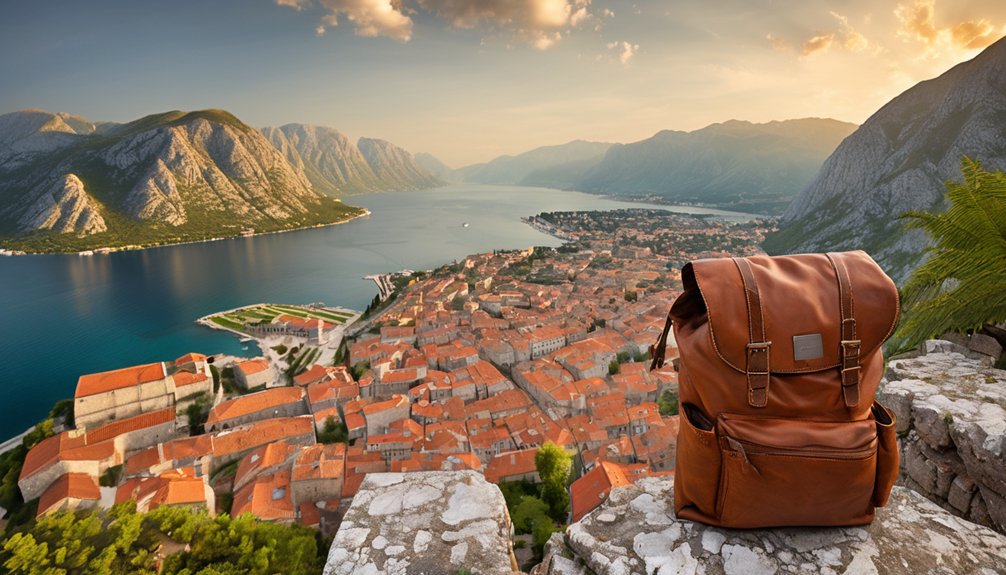
Balkan Itinerary for 3 Weeks – Embark on a three-week Balkan itinerary and uncover the region’s captivating diversity. Begin in Slovenia, where Lake Bled’s tranquil waters and lush landscapes offer a peaceful start. Continue south to Croatia, exploring the Adriatic coast’s ancient towns, crystal-clear beaches, and vibrant Mediterranean culture. Each city reveals a unique blend of history and modern energy.
Venture inland to Bosnia and Herzegovina, where bustling bazaars and Ottoman-inspired architecture immerse you in local traditions. Don’t miss Sarajevo’s historic quarters and Mostar’s iconic bridge. Montenegro’s rugged mountains invite you to savor authentic cuisine and connect with local hosts in scenic villages.
The journey culminates in Belgrade, Serbia—a hub of nightlife, music, and contemporary art. Flexible train and car options allow you to travel at your own pace while discovering artisan crafts and regional music, such as klapa singing along the coast.
A Balkan adventure rewards the curious. With thoughtful planning, you’ll experience a remarkable mix of landscapes, flavors, and culture—making each day of your journey truly memorable.
Building Your 3-Week Balkan Itinerary: Where to Start
Planning a three-week Balkan itinerary starts with identifying what you want most from your journey. The Balkans offer medieval cities, striking Adriatic coastlines, and impressive mountain scenery.
Begin by listing your must-see sites and experiences. Do you want to explore historic Dubrovnik, hike in Montenegro’s national parks, or enjoy the vibrant nightlife of Belgrade? Consider how much time to spend in each country, and remember to account for travel days between destinations.
Research border requirements for each country in your route, as regulations can change. Factor in local events or festivals when planning your dates—these can add cultural depth to your experience.
Stay flexible; the Balkans reward spontaneous detours and local recommendations. If you want a smoother trip, consider curated tours or private guides, which handle logistics so you can focus on discovery.
Above all, balance structure with freedom. Careful planning ensures you see the highlights, but an open mindset lets you capture the true spirit of the Balkans.
Balkan Itinerary for 3 Weeks – Route Ideas for Exploring the Western Balkans
Travelers seeking diverse landscapes and authentic culture will find the Western Balkans an exceptional destination. With three weeks, you can design an itinerary that blends nature, history, and local flavor.
Start in Slovenia, where emerald lakes and Alpine scenery set the stage. Continue south along Croatia’s Adriatic coast, discovering medieval towns and sparkling beaches.
Venture inland to Bosnia and Herzegovina for a taste of Ottoman heritage and lively bazaars. Montenegro’s dramatic bays and mountainous backdrops offer further contrast and stunning views.
For a deeper dive, loop east into Serbia to explore historic towns, vibrant cities, and rustic countryside.
Late spring and early autumn provide the best weather and fewer tourists, making your journey more enjoyable. Flexible travelers can opt for private tours or self-drive routes to access hidden villages and lesser-known gems.
Careful planning helps maximize highlights while allowing spontaneous detours. The Western Balkans reward curiosity with welcoming communities and unforgettable scenery, offering a travel experience both rich and unique.
Top Destinations to Include on Your Journey
Whether you’re planning a journey through the Western Balkans or refining your itinerary, a diverse blend of destinations awaits.
Dubrovnik stands out, with its iconic medieval walls and panoramic Adriatic views. Nearby, the enchanting bay of Kotor invites travelers with dramatic mountain backdrops and charming old streets.
In Bosnia and Herzegovina, Sarajevo’s lively bazaar and Ottoman-era bridges reveal a city shaped by resilience and rich heritage.
Slovenia’s Lake Bled is a must-see, offering a postcard-perfect island church and tranquil alpine scenery.
Venture to Belgrade to experience a thriving nightlife scene and historic riverside fortresses.
Montenegro’s Durmitor National Park rewards visitors with rugged peaks and crystal-clear lakes, ideal for outdoor enthusiasts.
Each destination in the Western Balkans offers unique culture, history, and unforgettable landscapes.
Take time to explore on foot, connect with locals over coffee, and let each city’s character unfold.
The region’s layered history and natural beauty ensure every stop provides lasting memories.
Focus your journey on these highlights, and you’ll capture the true spirit of the Western Balkans.
Local Experiences and Cultural Highlights Along the Way

Immerse yourself in the Western Balkans by exploring its unique local experiences and cultural highlights. In Belgrade, vibrant open-air markets offer a glimpse into daily life, where merchants and shoppers exchange stories as they select ripe produce.
Sarajevo’s historic cafés invite you to savor traditional Bosnian coffee, an experience steeped in centuries of ritual and social connection.
Montenegro’s rural villages welcome visitors with genuine hospitality. Sharing a home-cooked meal with locals reveals time-honored recipes and family traditions rarely found in restaurants.
Along Croatia’s sunlit coast, the harmonies of klapa singers echo through narrow streets, creating an atmosphere rich in heritage. In the Slovenian Alps, you can join artisans in crafting traditional souvenirs, learning skills passed down through generations.
Participating in local festivals is an ideal way to engage with the region’s lively spirit. Music, dance, and communal celebrations bridge cultural gaps, making visitors feel at home.
Seek out family-run establishments to enjoy authentic dishes and immerse yourself in the flavors of the region. Ask questions and show curiosity; locals eagerly share insights into their customs and history.
Practical Tips for Customizing Your Balkan Adventure
Crafting a personalized Balkan adventure ensures every experience feels meaningful and unique. Begin by identifying your top destinations, such as lively Belgrade, the historic streets of Dubrovnik, or the serene shores of Lake Bled.
Prioritize sites that resonate with your interests, whether it’s vibrant city life, centuries-old landmarks, or peaceful nature escapes.
Adapt your travel pace to suit your preferences. The Balkans cater to both relaxed sightseers and those eager to explore off the beaten path.
Flexible transportation—like rental cars, local trains, or regional buses—lets you change plans effortlessly and discover hidden gems along the way.
Private tours are ideal if you want to spend extra time at a Slovenian vineyard or seek out Bosnia and Herzegovina’s secluded waterfalls.
Stay informed about local festivals and community events, as these offer rare insight into authentic Balkan culture.
Most importantly, schedule downtime between activities. The region’s charm lies in its unhurried rhythm, so take moments to soak in the unique atmosphere.
Customizing your Balkan trip allows you to build an itinerary that reflects your interests and delivers a truly memorable journey.
Frequently Asked Questions
Is a Visa Required for Traveling Between Balkan Countries on This Itinerary?
Planning a trip through the Balkans often raises questions about visa rules for each country. If you are a traveler from the EU, US, or UK, most Balkan countries allow visa-free entry for short stays. However, it is crucial to verify the entry requirements for each destination before departure, as regulations can change without notice.
Your passport is the primary travel document needed at every border. Border crossings in the Balkans are common, and while many are straightforward, you should expect occasional checks. Some countries, such as Serbia, Montenegro, Albania, North Macedonia, and Bosnia and Herzegovina, generally permit visa-free access to citizens from the EU, US, and UK for up to 90 days. Croatia, as a member of the EU and Schengen Area, follows standard EU entry rules.
Always carry your passport and keep it readily accessible. If your route includes non-EU countries, check if any special requirements or documentation are necessary. Some Balkan nations may also require proof of onward travel or sufficient funds.
To ensure a smooth journey, consult each country’s official government or embassy website before you travel. Staying updated on entry requirements helps you avoid unexpected delays or denied entry. With the right preparation, exploring the diverse cultures and landscapes of the Balkans becomes a seamless travel experience.
What Is the Best Time of Year for a 3-Week Balkan Trip?
Planning a 3-week journey through the Balkans requires careful timing for the best experience. Late spring (May to June) and early autumn (September) consistently stand out as the most favorable months. During these periods, the weather remains comfortably warm and pleasant, making outdoor exploration enjoyable without the discomfort of summer heat.
Traveling in these seasons also means avoiding peak tourist crowds. Popular sights in Croatia, Montenegro, and Albania are less congested, allowing for a more relaxed and authentic atmosphere. Nature lovers will appreciate the vibrant landscapes, as wildflowers bloom in spring and autumn foliage adds rich color in September. This natural beauty enhances hiking, sightseeing, and photography throughout the region.
Local events and festivals often take place during these months, providing unique opportunities to engage with cultural traditions. Public transportation and accommodation are typically more available and affordable outside the main summer rush, making your trip smoother and more cost-effective.
Choosing late spring or early autumn for your Balkan adventure ensures optimal weather, manageable crowds, and memorable scenery. With these advantages, you can fully immerse yourself in the region’s diverse history, cuisine, and natural wonders—making your 3-week trip truly unforgettable.
Are There Language Barriers When Traveling Across the Western Balkans?
Travelers exploring the Western Balkans often wonder about potential language barriers. Each country in this region has its own official language, including Serbian, Croatian, Bosnian, Albanian, and Macedonian. While these languages share some similarities, they are not mutually intelligible for most visitors.
In major cities and tourist hotspots, English is widely spoken, especially among younger people and hospitality workers. Signs and menus in English are common in hotels, restaurants, and popular attractions. However, in rural areas and smaller towns, English proficiency can be limited. Learning a few local greetings or phrases can prove invaluable. Simple words like “hello,” “thank you,” or “please” are often warmly received and can make interactions smoother.
Using translation apps or carrying a phrasebook can help bridge communication gaps. Locals generally appreciate any effort to speak their language, which can enhance your travel experience and foster positive connections. While language differences exist, they rarely hinder travel across the Western Balkans for well-prepared visitors. With some preparation and a respectful approach, you’ll navigate the region’s diverse cultures with ease.
How Much Should I Budget for Daily Expenses During the Trip?
Planning your daily budget is essential for a smooth and enjoyable trip.
Activities and sightseeing will also influence your daily spending. Self-guided tours, public museums, and parks are usually affordable. However, private tours, guided experiences, or special events in major cities may cost extra. If you plan to shop for souvenirs or local products, consider increasing your budget accordingly.
Transportation costs depend on how you choose to get around. Public transit is economical, while taxis or rideshares add to the total. To stay within budget, purchase travel passes or city cards that offer discounts on attractions and transport.
What Travel Insurance Is Recommended for a Multi-Country Balkan Journey?
Planning a multi-country journey through the Balkans requires careful preparation, especially when it comes to travel insurance. The region’s diverse landscapes and varying infrastructure make comprehensive coverage essential for a worry-free trip.
Start by selecting a policy that offers robust medical coverage. Medical emergencies can arise unexpectedly, and access to healthcare facilities may differ from country to country. Ensure your insurance covers hospital stays, doctor visits, and medical evacuation across all your planned destinations, including Albania, Bosnia and Herzegovina, Montenegro, North Macedonia, Kosovo, and Serbia.
Look for features that protect your investment, such as trip cancellation and interruption coverage. Political situations and transportation issues can disrupt itineraries, so having reimbursement options provides peace of mind. Lost or delayed luggage is another concern when crossing multiple borders—choose a plan that compensates for baggage loss or delays.
Border delays and unexpected travel interruptions are common in the Balkans. Seek insurance that includes travel delay benefits and assistance services for rebooking or additional accommodation if needed. Always confirm that your policy is valid in every country you plan to visit, as some insurers may exclude certain territories.