
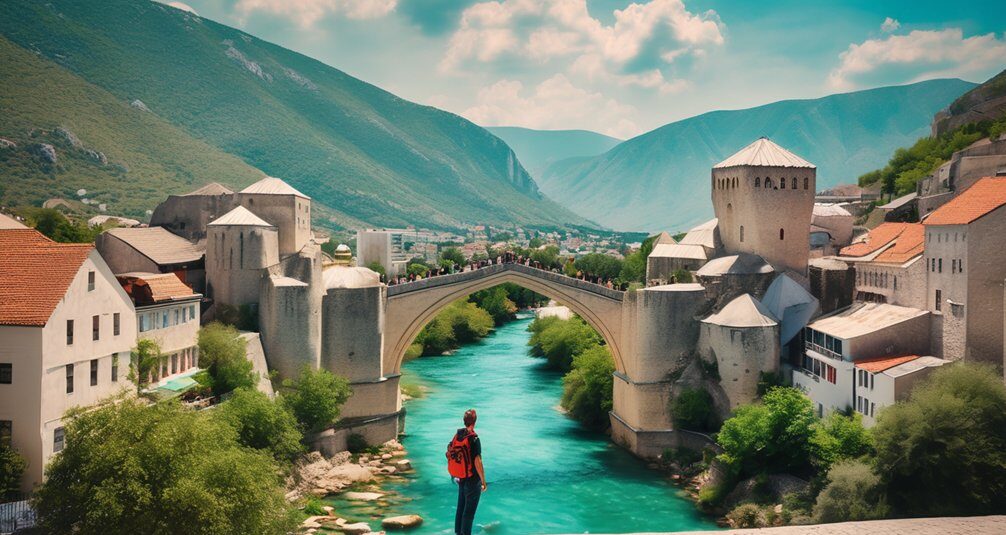
Balkan Solo Travel in 2026 – Experience the freedom of Balkan solo travel in 2026 and discover the region’s unique blend of history, culture, and natural beauty at your own pace. Begin your journey in Kotor, where cobblestone streets lead you through a medieval old town framed by dramatic mountains. Watch the sun set over Dubrovnik’s ancient walls and the sparkling Adriatic, then unwind with a coffee in Ljubljana’s leafy riverside squares.
Sarajevo’s bustling markets are perfect for spontaneous conversations, offering insight into the city’s rich heritage. In Belgrade, enjoy a vibrant nightlife scene filled with music, stories, and local flavor. Efficient bus and train networks connect major cities, making navigation straightforward, while renting a car provides access to remote mountain villages and scenic drives.
Staying connected is simple with a local SIM card, allowing you to discover hidden gems and plan flexible routes on the go. Balkan solo travel promises authentic experiences, from sampling regional cuisine to exploring UNESCO-listed sites. Embrace the chance to set your own itinerary and travel rhythm for a truly personalized adventure. Start planning your inspiring Balkan journey and uncover the region’s unforgettable charm.
Top Solo Travel Destinations in the Western Balkans
Curiosity fuels solo travel in the Western Balkans, where each destination offers a distinct cultural experience. For independent travelers, this region blends history, scenery, and welcoming atmospheres.
Begin in Kotor, Montenegro, where medieval streets and a dramatic bay provide a peaceful yet captivating setting. Sarajevo, Bosnia and Herzegovina, stands out with its vibrant markets and unique blend of Eastern and Western influences.
Dubrovnik’s stunning Adriatic coastline and ancient city walls invite solo explorers to discover its storied past at their own pace. In Slovenia, Ljubljana charms with green spaces and a relaxed café culture, perfect for unwinding and people-watching.
Belgrade, Serbia, pulses with riverside energy and a dynamic nightlife, offering a chance to connect with locals and fellow travelers.
These top solo travel destinations in the Western Balkans reward curiosity with authentic encounters and diverse experiences. Whether you’re drawn to rich history, breathtaking landscapes, or lively city life, traveling alone here feels safe and engaging.
The Western Balkans is more than a collection of places; it’s a mosaic of cultures and stories waiting to be explored on your own terms.
Essential Safety Tips for Solo Travelers
Solo travel in the Balkans offers adventure, discovery, and personal growth. However, safety should always come first. When exploring vibrant streets in cities like Kotor or Sarajevo, stay alert and trust your instincts. Dress modestly to respect local customs and blend in, making your journey smoother and more enjoyable. Secure your valuables in a money belt or concealed pouch. Avoid discussing your itinerary in detail with strangers, even if they seem friendly.
Before you travel, check current local advice and learn about the specific areas you plan to visit. Not all neighborhoods are equally safe, so research accommodations and transportation options in advance. Using trusted providers, such as Balkan Tours, can offer peace of mind and reliable support if challenges arise.
Keep your phone charged and emergency contacts accessible at all times. Share your key travel details with someone at home for added reassurance.
The Balkans are known for their warmth and hospitality, but a cautious approach helps you make the most of every experience. By balancing curiosity with practical preparation, you’ll enjoy a rewarding and safe solo journey through this fascinating region.
Getting Around: Transportation Options for Solo Adventurers
Exploring the Balkans solo offers endless possibilities, but choosing the right transportation is essential for a rewarding journey. Trains and long-distance buses connect major cities such as Dubrovnik, Sarajevo, and Belgrade, providing scenic views and opportunities to interact with locals. These public options are ideal for travelers seeking affordability and authentic regional experiences.
For greater flexibility, consider renting a car. Driving allows you to uncover hidden villages, linger at panoramic viewpoints, and set your own schedule. The region’s well-maintained highways make self-driving straightforward, but always check local regulations before heading out.
Travelers who value comfort and convenience may opt for premium chauffeur-driven services. These tailored options, such as those offered by Balkan Tours, combine expert local knowledge with stress-free travel. A professional driver handles navigation, enabling you to focus on the region’s beauty and culture.
Every transportation choice reveals a unique perspective of the Balkans. Whether you prefer the camaraderie of public transit or the independence of a private car, the right option enhances your adventure.
Select the method that best matches your travel style and curiosity for a memorable solo exploration.
Balkan Solo Travel in 2026 – Experiencing Balkan Culture on Your Own
Traveling solo through the Balkans offers a unique lens into the region’s vibrant traditions and enduring hospitality. Cities like Sarajevo and Ljubljana invite visitors to stroll their historic streets, where daily life blends seamlessly with centuries-old customs.
In Sarajevo, a warm greeting from locals is common, whether you’re browsing a market or pausing at a café. These spontaneous interactions often lead to authentic cultural exchanges, from shared stories to invitations for home-cooked meals.
In Belgrade, ancient Orthodox churches stand beside lively modern neighborhoods, reflecting the area’s layered history. Meanwhile, Mostar’s streets echo with music that fuses Ottoman and Slavic influences, offering moments of connection through art.
Traveling alone allows you to move at your own pace. You can linger in small museums, join local festivities, or simply observe the rhythm of daily life in bustling squares.
Every encounter, whether a brief conversation or a quiet moment, reveals the Balkans’ resilient spirit and deep sense of community. As a solo traveler, you gain direct access to these authentic experiences, making every journey both personal and memorable.
The Balkans welcome those who seek genuine connection and a deeper understanding of their rich cultural landscape.
How to Stay Connected While Traveling Solo
Traveling solo offers unmatched freedom, but staying connected is essential for safety, convenience, and sharing your experiences. In the Western Balkans, reliable Wi-Fi is widely available in city centers, guesthouses, and many rural spots. Most locals in cities like Sarajevo use smartphones daily, so you’ll feel at ease using your devices.
A practical step is purchasing a local SIM card. This provides affordable data access for navigation, messaging, and quick calls as you move between Croatia, Bosnia and Herzegovina, and Montenegro. Local telecom shops make the process simple and quick.
Popular messaging apps such as WhatsApp and Viber are commonly used for both local and international communication. These tools help you coordinate meetups with new friends or send updates to loved ones at home.
Staying digitally connected not only ensures peace of mind but also enriches your solo journey. You can easily translate signs, find recommended cafes, or navigate unfamiliar streets.
Frequently Asked Questions
What’s the Best Time of Year for Solo Travel in the Balkans?
When planning solo travel in the Balkans, timing can shape your entire experience. Spring and early autumn stand out as the best seasons for independent explorers. During these months, the weather is pleasant—neither too hot nor too cold—making it comfortable to discover both cities and countryside at your own pace.
Traveling solo in spring means blooming landscapes and lively outdoor markets, with popular sites like Dubrovnik and Kotor far less crowded than in summer. Early autumn brings a golden glow to vineyard regions and coastal paths, with local harvest festivals providing authentic cultural encounters.
Avoiding the busy summer months is key for solo travelers seeking relaxation and genuine connection. In spring and early autumn, accommodation and transportation are more accessible, and locals have more time for meaningful interactions. The region’s vibrant history is on full display, from ancient ruins to Ottoman-era towns, all easier to explore when crowds are thinner.
For those eager to experience the Balkans’ true character—without the rush or noise—these shoulder seasons offer the perfect balance of comfort, culture, and adventure.
Do I Need a Visa to Visit Multiple Balkan Countries?
Traveling through the Balkans offers a mix of cultures, landscapes, and entry requirements. Visa rules in this region can be complex, especially if you plan to visit several countries. Your nationality plays a major role in determining whether you need a visa for each destination.
Some Balkan countries, such as Croatia and Slovenia, are part of the Schengen Area. If you have a Schengen visa, you may travel between these countries without extra paperwork. However, neighboring countries like Serbia, Montenegro, Bosnia and Herzegovina, and North Macedonia are not in Schengen. Each of these nations sets its own entry policies, and visa-free access depends on your passport.
For example, many nationals from the EU, US, UK, Canada, and Australia can visit non-Schengen Balkan states without a visa for short stays. Travelers from other countries may need to apply in advance. Always check each country’s official immigration website before traveling, as rules can change.
Is English Widely Spoken Throughout the Western Balkans?
Travelers to the Western Balkans will discover that English is commonly spoken in urban centers and tourist hotspots. In cities like Dubrovnik, Belgrade, and Sarajevo, hotel staff, restaurant servers, and many young residents communicate confidently in English, making navigation and daily interactions smooth for visitors.
However, outside major cities, English fluency can be less widespread. In smaller towns or rural villages, older generations often speak little English. Here, communication may require patience, basic phrases, or non-verbal cues. Fortunately, locals are typically friendly and willing to help, bridging gaps with gestures and genuine hospitality.
Notably, the younger population across the region has embraced English education, particularly in schools and universities. This trend ensures that travelers can often find someone to assist with directions, recommendations, or essential needs, even beyond the main tourist areas.
For those planning extensive travel in the Western Balkans, learning a few local words or using translation apps can enhance the experience. While language barriers may occasionally arise, they rarely prevent meaningful connections or enjoyable exploration.
Can I Use Euros or Should I Bring Local Currency?
When planning a trip to the Balkans, understanding which currency to use can save you stress and money. While Montenegro uses the euro as its official currency, and some tourist hotspots in Croatia may accept euros, this is not the norm elsewhere in the region. In Serbia, Bosnia and Herzegovina, and Slovenia, local currencies remain the standard for most transactions.
Serbia relies on the Serbian dinar, Bosnia on the convertible mark, and Slovenia, as a Eurozone member, uses the euro. However, outside Slovenia and Montenegro, euros are rarely accepted in shops, restaurants, or for local transport. Relying solely on euros can lead to unfavorable exchange rates or even refusal of service. Carrying some local currency ensures smooth purchases and often earns you appreciation from local vendors.
ATMs are widely available in cities and most towns, providing convenient access to local currencies. Credit cards are accepted in many urban and tourist areas, but cash is still essential for markets, remote villages, and smaller businesses. Before traveling, check current exchange rates and withdraw a modest amount of local currency for daily expenses.
Bringing local currency, or withdrawing it on arrival, is the best way to avoid complications and enjoy a seamless travel experience across the Balkans.
How Do I Find Solo-Friendly Accommodations in the Region?
Travelers exploring the region alone often seek safe, comfortable, and welcoming places to stay. Finding solo-friendly accommodations begins with researching local guesthouses, boutique hotels, and hostels, which frequently cater to independent visitors. Many of these options are family-run, offering a more personal touch and a homely atmosphere that solo travelers value.
When booking, look for properties that offer single rooms or shared spaces designed for interaction. Hostels often provide communal lounges and kitchens where guests can connect, share travel tips, or join organized activities. Boutique hotels may feature cozy common areas perfect for meeting other travelers or relaxing after a day’s exploration.
Ask accommodation providers about their approach to solo guests. Many hosts enjoy sharing insider knowledge, from the best local dining spots to cultural events you might otherwise miss. Check recent reviews on trusted platforms to gauge how previous solo travelers felt about their stay. Reviews often highlight staff friendliness, security, and the ease of meeting others.
For the best experience, prioritize accommodations with strong ratings for cleanliness, location, and attentive service. This ensures your solo journey in the region is both enjoyable and worry-free, letting you focus on discovery and connection.