

Best Balkan National Parks – The Balkans boast some of Europe’s most breathtaking national parks, each offering unique experiences for nature lovers. Croatia’s Plitvice Lakes National Park enchants visitors with its cascading turquoise lakes and lush woodlands. Well-marked trails lead you through stunning scenery, where you may spot rare birds or glimpse deer among the trees.
Serbia’s Tara National Park is a haven for wildlife enthusiasts. Here, dense forests shelter elusive brown bears and the endangered Balkan lynx. Birdwatchers will appreciate the diversity, from majestic eagles to colorful kingfishers along the Drina River.
Montenegro’s Durmitor National Park impresses with its rugged peaks and dramatic canyons. Hikers can explore glacial lakes and deep forests, or take on the challenging route to Bobotov Kuk, the park’s highest summit.
Beyond the landscapes, these parks offer a window into authentic Balkan culture. Small villages nestled at the park edges provide a warm welcome and a taste of traditional life.
Plan your journey with care, as each season transforms these parks in remarkable ways. Whether seeking wildlife, scenic hikes, or tranquil escapes, the Balkans’ national parks deliver unforgettable adventures.
What Makes the Balkans a National Park Paradise?
The Balkans have emerged as a premier destination for national park lovers seeking both diversity and authenticity. Unlike many European regions, the Balkans offer an impressive range of landscapes—towering peaks, crystal-clear rivers, dense forests, and traditional villages—all within reach.
Each national park presents its own character, often untouched by mass tourism, creating a rare sense of discovery.
Travelers are drawn to these parks for their dramatic scenery as well as their vibrant biodiversity. You might find lynx in the forests of North Macedonia or marvel at the cascading waterfalls in Croatia’s Plitvice Lakes National Park.
Montenegro’s Durmitor National Park, with its deep canyons and glacial lakes, stands as another highlight.
Beyond the scenery, Balkan national parks invite you to connect with local heritage on every trail. Hikers can explore ancient monasteries, sample regional cuisine, and interact with communities that have preserved their customs for generations.
Whether you seek challenging mountain treks, peaceful lakeshores, or remarkable wildlife, Balkan parks promise unique adventures throughout the year.
This region’s blend of natural beauty and cultural richness makes it a true national park paradise.
Best Balkan National Parks – Must-See National Parks in Croatia, Serbia, and Montenegro
The Balkans boast a wealth of natural treasures, with national parks in Croatia, Serbia, and Montenegro offering unique landscapes and experiences. Plitvice Lakes National Park in Croatia stands out for its mesmerizing chain of turquoise lakes and waterfalls, drawing travelers who seek both beauty and adventure.
Well-marked trails guide visitors through forests and over wooden walkways, making it accessible for all ages.
Serbia’s Tara National Park is a haven for those craving solitude among ancient forests and dramatic river canyons. The park’s diversity of plant and animal life rewards patient explorers, and its panoramic viewpoints provide spectacular photo opportunities.
Montenegro’s Durmitor National Park is famed for its rugged mountain peaks and tranquil Black Lake. Outdoor enthusiasts can hike, raft, or simply enjoy the serene alpine scenery that defines this UNESCO World Heritage Site.
Each destination reveals a different face of the Balkans’ natural heritage. Whether you’re a hiker, photographer, or someone seeking peaceful escapes, these national parks deliver authentic and memorable experiences.
For travelers eager to explore the region’s wild beauty, these parks are essential stops on any itinerary.
Best Trails and Wildlife in Balkan National Parks
The Balkan Peninsula’s national parks promise a unique blend of scenic trails and remarkable wildlife encounters. For hikers and wildlife enthusiasts, these protected areas deliver unforgettable experiences shaped by diverse landscapes and thriving ecosystems.
Begin your journey in Serbia’s Tara National Park, where dense forests conceal brown bears, wildcats, and centuries-old pines. The park’s well-marked trails range from gentle walks to challenging hikes, offering glimpses of rare birds and untouched nature.
Croatia’s Plitvice Lakes National Park enchants visitors with its cascading turquoise lakes and wooden pathways. Here, otters play in crystal-clear waters, while kingfishers flash vibrant colors overhead.
Montenegro’s Durmitor National Park stands out for its rugged beauty. Trek along mountain ridges and deep river canyons, where golden eagles soar and meadows bloom with wildflowers each spring.
Each park offers distinct habitats, from alpine peaks to lush valleys, making every trail a new discovery.
Whether you seek serene lakes, dramatic mountains, or rare wildlife sightings, the Balkans deliver. Plan your adventure to witness the region’s wild charm, where every step connects you to the rich natural heritage of these remarkable national parks.
How to Plan a Private National Park Tour
Planning a private national park tour in the Balkans offers unmatched flexibility and immersion into the region’s natural splendor. Start by researching which parks match your interests, whether you’re fascinated by Plitvice’s iconic lakes, Tara River Canyon’s dramatic scenery, or Durmitor’s pristine forests.
Decide if you prefer focusing on a single destination or experiencing multiple countries, such as Croatia, Montenegro, or Bosnia and Herzegovina, for a broader adventure.
Tailor your itinerary to highlight what matters most to you—scenic lookouts, tranquil walking trails, or rare wildlife encounters. Private tours allow you to set your own pace, making it easy to spend extra time at hidden waterfalls or charming local villages.
Expert local guides can further enhance your journey with insider knowledge and flexible planning. Choose travel dates that suit your schedule and consider the best seasons for hiking, wildlife viewing, or photography.
Book accommodations in advance to ensure comfort and convenience throughout your journey. With careful planning, your private Balkan national park tour transforms into a memorable, personalized exploration of diverse landscapes and cultures.
Enjoy the freedom to discover the natural beauty of the Balkans on your terms.
Sustainable and Respectful Park Visiting Tips
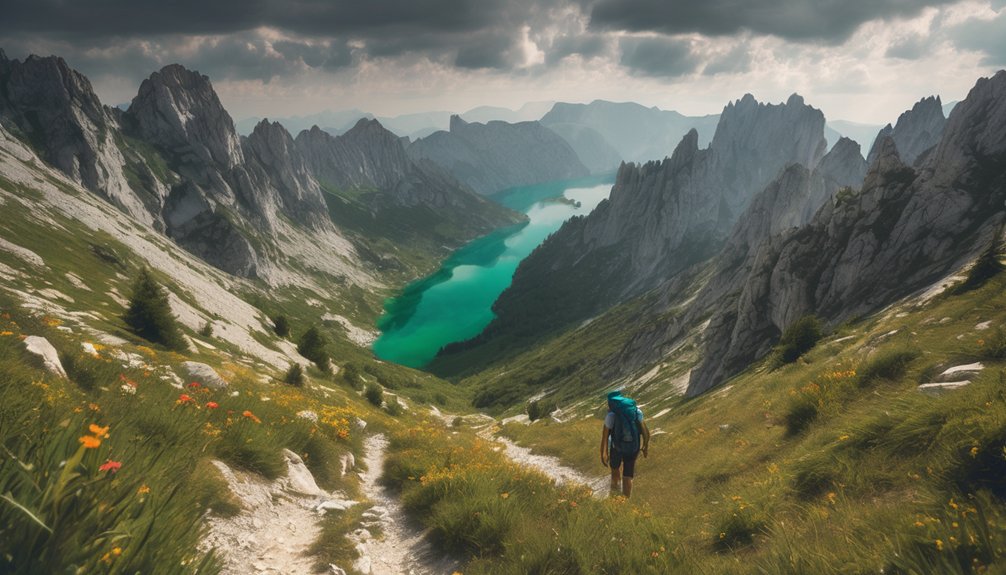
As you venture into the stunning national parks of the Balkans, responsible tourism is key to preserving their unique beauty. Staying on marked trails protects sensitive plants and prevents soil erosion.
Avoid picking wildflowers or approaching wildlife, as even small disturbances can harm these delicate ecosystems. Bring a reusable water bottle and opt for snacks in eco-friendly packaging to reduce waste.
In renowned parks like Durmitor and Plitvice Lakes, respect all posted guidelines, including swimming restrictions. These rules protect habitats that are easily damaged by human activity.
When encountering cultural sites or historical landmarks, maintain a respectful distance and follow local customs to honor the region’s heritage.
Plan ahead by researching each park’s specific rules before your visit. Carry out all litter and leave every area as you found it.
These simple yet impactful actions help ensure that the Balkan national parks remain vibrant and accessible for future generations. By visiting mindfully, you contribute to the ongoing preservation of these natural wonders.
Frequently Asked Questions
Are There Entrance Fees for Balkan National Parks?
When planning a visit to the Balkans, understanding entrance fees for national parks is essential. Most Balkan national parks require visitors to pay a modest fee at the entrance. These fees directly support park maintenance, conservation efforts, and the protection of unique local wildlife.
Entrance costs vary depending on the park and the season. For example, popular destinations like Durmitor in Montenegro or Plitvice Lakes in Croatia tend to have slightly higher fees during peak travel periods. Smaller or less-visited parks may charge lower rates. Always check each park’s official website for current pricing and regulations before your trip, as policies can change.
Children, students, and seniors often benefit from discounted rates at many parks, making nature accessible for all ages. Some parks also offer multi-day passes or group discounts, which are ideal for families or extended stays.
Paying an entrance fee helps ensure that these natural treasures remain protected for future generations. Your contribution funds trail upkeep, wildlife preservation, and informative visitor centers. By supporting these parks, you play a vital role in safeguarding the extraordinary biodiversity of the Balkans.
Before heading out, research each park’s requirements so you can plan your visit smoothly and enjoy everything these stunning landscapes have to offer.
Can I Visit Balkan National Parks Year-Round?
Balkan national parks welcome visitors in every season, making them an excellent year-round destination for nature lovers. Each period brings its own character and opportunities, so your experience will differ depending on when you visit.
Spring in the Balkans transforms the parks with wildflowers and lush greenery. Trails become more accessible, and wildlife is active, offering ideal conditions for photographers and hikers. Summer is perfect for outdoor enthusiasts who enjoy warm weather, longer daylight hours, and a wide range of activities including hiking, kayaking, and climbing.
As autumn arrives, forests in national parks like Durmitor or Tara burst with vibrant colors. The cooler air and fewer crowds provide a tranquil atmosphere, ideal for relaxed exploration and photography. In winter, snow blankets the landscape, creating a peaceful setting for snowshoeing, cross-country skiing, and winter hiking, especially in mountainous areas such as Prokletije.
While most Balkan national parks remain open all year, it’s wise to check for seasonal restrictions or weather-related closures before planning your trip. Some high-altitude trails may be inaccessible in winter, but lower routes often stay open.
No matter the season, you’ll discover remarkable scenery and authentic experiences in Balkan national parks. With thoughtful planning, every visit can reveal a different side of this diverse and beautiful region.
Are Guided Tours Available Inside the Parks?
Guided tours are widely available in national parks, offering visitors an enriching way to experience each park’s natural wonders. With expert local guides, you can access trails and viewpoints that are often overlooked by independent travelers. These tours typically highlight the park’s unique wildlife, striking scenery, and cultural stories, creating a deeper connection to the landscape.
Most national parks offer a variety of tour options, from short nature walks to full-day adventures. Some tours focus on wildlife observation, while others may spotlight geology, history, or indigenous heritage. Guides share valuable insights, answer questions, and help you spot hidden details you might otherwise miss.
Participating in a guided tour allows you to explore at a relaxed pace, without the worry of navigation or logistics. This is especially beneficial for first-time visitors or those seeking a more immersive experience. Many tours are tailored to different fitness levels and interests, making them accessible for families, solo travelers, and groups alike.
Booking a guided tour inside a national park ensures you gain expert knowledge while maximizing your visit. If you want a memorable, informative, and safe adventure, consider joining a guided tour on your next park trip.
What Languages Are Commonly Spoken at Visitor Centers?
Visitor centers serve as essential hubs for information and assistance in national parks and major tourist destinations. English is the primary language spoken at most visitor centers, ensuring international travelers can communicate easily. However, staff often speak additional local languages depending on the region. For example, in the Balkans, it’s common to encounter Croatian, Serbian, or Slovenian-speaking staff, providing a welcoming experience for regional visitors.
Signage and printed materials at visitor centers usually appear in English and the local language. Multilingual brochures, maps, and guides further enhance the accessibility of information. This approach helps travelers feel confident in navigating parks, understanding safety guidelines, and making the most of their visit.
Many visitor centers also employ staff trained in basic conversational skills for other widely spoken languages, especially during peak tourist seasons. This ensures guests from diverse backgrounds receive clear guidance and support. If you have specific language needs, it’s wise to check with the visitor center in advance or look for language services on their official website.
Ultimately, the multilingual capabilities at visitor centers create an inclusive and informative environment. Whether you need directions, park rules, or local insights, the staff and resources are prepared to assist in the most common languages spoken by visitors.
Is Public Transportation Available to Reach the Parks?
Reaching national parks by public transportation is possible, but options and convenience vary widely by location. Many parks near urban centers offer bus or shuttle services, making them more accessible without a car. However, national parks in remote regions often have limited or no public transit connections. For these destinations, available routes may operate infrequently and require careful planning.
Travelers relying solely on public transportation should research routes and schedules in advance. Delays and limited service hours can impact your visit, especially during off-peak seasons. Some parks provide seasonal shuttle buses from nearby towns or transit hubs, which can simplify access during high-traffic periods.
If you seek flexibility and direct park entry, private transfers or guided tours may offer a more efficient solution. These options allow visitors to bypass restrictive schedules, ensuring a smoother journey and more time inside the park.