
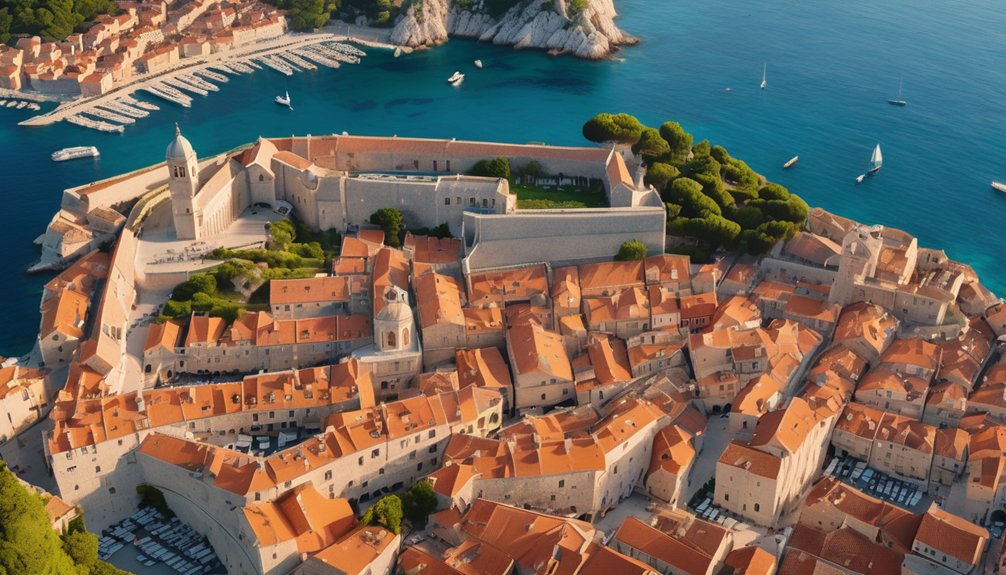
Best Cities to Visit in Croatia – Croatia’s cities captivate travelers with their rich history, striking architecture, and vibrant local life. Dubrovnik, often called the “Pearl of the Adriatic,” enchants visitors with its ancient city walls and breathtaking sea views. Strolling through its marble streets, you’ll step back in time while enjoying lively cafés and cultural events.
Split blends Roman heritage with a dynamic waterfront. The iconic Diocletian’s Palace sits at the city’s heart, surrounded by bustling markets and seaside promenades. Here, you can discover centuries-old landmarks while savoring fresh Dalmatian cuisine.
Zagreb, Croatia’s energetic capital, invites you to experience a mix of tradition and creativity. Relax in leafy parks, explore quirky museums, and enjoy the local café culture that thrives in hidden courtyards and historic squares.
On the Istrian coast, Rovinj beckons with its Venetian charm. Colorful buildings, cobbled lanes, and a picturesque harbor create a storybook setting perfect for photographers and romantics alike.
Zadar offers a unique blend of Roman ruins, medieval churches, and innovative public art installations like the Sea Organ. Let the melodies of the Adriatic accompany your evening strolls along the waterfront.
Each destination offers its own perspective on Croatia’s cultural richness. Exploring these remarkable cities ensures every traveler discovers a unique side of this Adriatic gem.
What Makes Croatia’s Cities Unique in the Balkans?
Croatia’s cities offer a distinct character rarely seen elsewhere in the Balkans. Unlike their inland neighbors, Croatian urban centers blend Mediterranean vibrancy with refined Central European influences.
Stroll along the sun-drenched promenades of Split or Dubrovnik, and you’ll encounter layers of Roman, Venetian, and Austro-Hungarian heritage in architecture and daily life.
Open-air markets thrive in city squares, where local vendors sell fresh Adriatic seafood and produce. These lively spaces reflect Croatia’s deep-rooted traditions and close community ties.
Annual festivals fill the streets with music and art, celebrating both ancient customs and modern creativity.
What truly distinguishes Croatian cities is their seamless harmony of history and innovation. Roman ruins stand beside Art Nouveau facades, while lively cafes and galleries foster a dynamic cultural scene.
The Adriatic coast brings a Mediterranean flair, setting these destinations apart from the rest of the Balkans.
Visitors to Croatia’s cities experience more than beautiful scenery—they step into living history. Each city, from coastal gems to inland hubs, offers unique stories, flavors, and traditions.
This blend of heritage, culture, and seaside allure makes Croatia’s urban landscape genuinely unique in the Balkans.
Best Cities to Visit in Croatia – Dubrovnik: Croatia’s Walled City on the Adriatic
Set on Croatia’s southern coast, Dubrovnik is a walled city renowned for its preserved medieval architecture and striking views over the Adriatic Sea. Walking along the city’s iconic ramparts, visitors encounter panoramic vistas of terracotta rooftops and sparkling waters, offering endless inspiration for photographers and history enthusiasts alike.
The main street, Stradun, paved with smooth limestone, leads you past grand baroque churches, lively squares, and centuries-old palaces that showcase Dubrovnik’s rich heritage as a proud maritime republic.
Game of Thrones fans flock here to see real-life King’s Landing, while culture seekers appreciate the blend of local traditions and vibrant festivals. Many enjoy pausing at open-air cafés to savor fresh seafood and Croatian coffee under the city’s signature orange roofs.
Each turn reveals evidence of Dubrovnik’s unique identity, shaped by centuries of trade and artistry. Whether you’re exploring the historic city walls or relaxing by the Adriatic, Dubrovnik’s blend of culture, architecture, and coastal charm make it an essential stop on any Croatia tour.
This city invites travelers to immerse themselves in its legends and experience the authentic spirit of the Adriatic coast.
Split: Ancient Marvels and Modern Energy
Split, located on Croatia’s vibrant Dalmatian coast, offers a rare fusion of ancient marvels and contemporary energy. The city’s heart is the iconic Diocletian’s Palace, where Roman architecture forms the backdrop for bustling cafés and boutique shops.
As you explore its labyrinth of stone-paved streets, you’ll witness history weaving into daily life, from medieval arches to lively open-air markets.
Beyond its Roman legacy, Split pulses with a modern rhythm. The lively Riva promenade draws locals and visitors alike, offering panoramic sea views and a taste of Mediterranean culture.
Here, palm-lined walkways and outdoor terraces capture the city’s relaxed yet dynamic spirit.
Split’s cultural calendar thrives year-round, featuring music festivals, art exhibitions, and traditional celebrations that reflect the city’s enduring creativity.
Venetian influences, Roman foundations, and Dalmatian traditions all converge to create a unique atmosphere.
Whether you’re tracing the steps of emperors or savoring local cuisine beside the Adriatic, Split invites you to experience its seamless blend of old-world charm and present-day vibrancy.
This city stands as a living testament to history’s enduring impact on modern life.
Zagreb: The Urban Soul of Croatia

Zagreb stands at the crossroads of tradition and modernity, offering visitors an authentic glimpse into Croatian urban life. The city’s vibrant energy is evident in every corner, from the bustling trams navigating historic streets to locals gathering at sunlit outdoor cafés.
Art and culture thrive throughout the city. Museums and galleries present a blend of contemporary creativity and classic Croatian masterpieces. Thought-provoking installations and street art speak to Zagreb’s emerging youthful edge, while elegant Austro-Hungarian facades highlight its rich past.
Leafy parks and hidden courtyards provide green escapes, inviting relaxation amid urban excitement.
Zagreb rewards exploration. Each district offers unique architecture and atmosphere, reflecting the city’s dynamic spirit. Whether you seek historic landmarks, modern art, or a quiet café, Zagreb delivers an experience rooted in genuine local culture.
Embrace its urban soul, and discover why Zagreb is more than just Croatia’s capital—it’s the heartbeat of the nation’s creative and social life.
Rovinj and Zadar: Contrasting Coastal Experiences
Croatia’s Adriatic coast is home to some of Europe’s most captivating seaside towns, with Rovinj and Zadar standing out for their unique atmospheres. Rovinj enchants visitors with its winding cobblestone streets, pastel-hued houses, and iconic Venetian bell tower. The city’s harbor, lined with fishing boats, reflects a rich maritime tradition.
Art lovers will appreciate Rovinj’s thriving galleries and bustling open-air markets, where local creativity is always on display.
In contrast, Zadar offers a journey through history alongside innovative modern attractions. Roman ruins and medieval churches reveal centuries of cultural heritage.
Zadar’s Sea Organ, a remarkable blend of art and nature, draws travelers to experience music created by the motion of the sea. Each evening, the city’s famous sunsets, once admired by Alfred Hitchcock, provide a memorable spectacle set to the rhythms of the waves.
Choosing between Rovinj and Zadar means deciding what kind of Croatian coastal experience you seek. Rovinj is ideal for those drawn to artistic charm and traditional ambiance.
Zadar appeals to travelers fascinated by history and inventive architecture. Both towns promise unforgettable memories along Croatia’s stunning shoreline.