
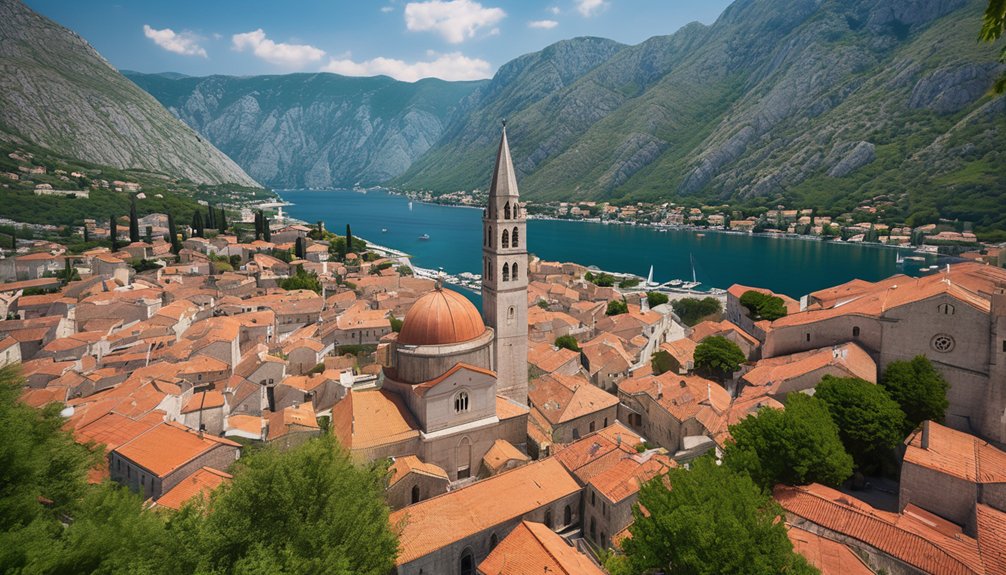
Best Cities to Visit in Montenegro – Montenegro offers a remarkable mix of old-world charm and natural beauty, making it an enticing destination for travelers. Start your journey in Kotor, a picturesque city famed for its medieval architecture and dramatic mountain backdrop. Stroll through its labyrinthine streets, discover hidden squares, and savor the vibrant café culture along the waterfront.
Budva awaits with its lively atmosphere and well-preserved Venetian walls. Enjoy panoramic views from the citadel and unwind on the Adriatic’s stunning beaches just steps from the old town. Herceg Novi, known for its palm-fringed promenades and Ottoman-era fortresses, invites visitors to relax and explore lush gardens and seaside cafes.
Cetinje, Montenegro’s historic capital, stands out with its royal palaces and a thriving arts scene. The city’s museums and galleries offer a glimpse into the nation’s fascinating past. Meanwhile, Podgorica presents a modern contrast with stylish cafés, leafy parks, and a dynamic cultural life.
Each city in Montenegro provides a unique perspective, blending centuries-old heritage with contemporary energy. Whether you seek history, natural scenery, or vibrant local culture, Montenegro’s cities promise unforgettable experiences for every traveler.
Kotor: Montenegro’s Medieval Gem on the Adriatic
Nestled between rugged mountains and the sparkling Adriatic Sea, Kotor is Montenegro’s premier medieval destination. Step inside Kotor’s Old Town to discover a maze of narrow, cobbled streets lined with ancient stone buildings and bustling squares.
Every corner reveals traces of Venetian, Ottoman, and local heritage, making each walk a journey through centuries of history.
The imposing fortress above the town rewards visitors with breathtaking panoramic views—an unmissable highlight for anyone exploring Montenegro.
As you stroll, you’ll notice authentic Mediterranean life: locals exchanging stories in sunlit cafés, church bells echoing across the rooftops, and market stalls offering fresh regional delicacies.
Kotor’s blend of architectural beauty and vibrant culture ensures it remains a top choice for travelers seeking a genuine Adriatic experience.
Guided tours provide deeper insight into its complex past and living traditions.
Whether you’re drawn by the unique scenery, the rich history, or the lively atmosphere, Kotor offers an unforgettable glimpse into Montenegro’s heritage.
Best Cities to Visit in Montenegro – Budva: Historic Old Town and Vibrant Beaches
Budva stands as one of Montenegro’s most captivating cities, offering a perfect blend of history and lively beach culture. The fortified Old Town draws visitors with its stone alleys, Venetian-era walls, and centuries-old churches. Each turn reveals inviting piazzas and hidden corners that provide insight into Budva’s rich Adriatic heritage.
The town’s atmosphere shifts seamlessly from the quiet charm of its historic core to the vibrant energy of its coastline.
Budva’s beaches are renowned for their golden sands and crystal-clear waters. During the day, the shoreline comes alive with sunbathers, families, and friends enjoying the Mediterranean sun and fresh seafood.
As dusk falls, the seaside promenade becomes a social hub, where locals and travelers gather to experience Montenegro’s famed hospitality.
Budva’s unique blend of preserved history and modern seaside allure makes it a top destination for 2026. Whether you’re exploring ancient architecture or relaxing by the Adriatic Sea, Budva promises a memorable experience for every visitor seeking culture, relaxation, and coastal excitement.
Herceg Novi: Seaside Fortresses and Promenades
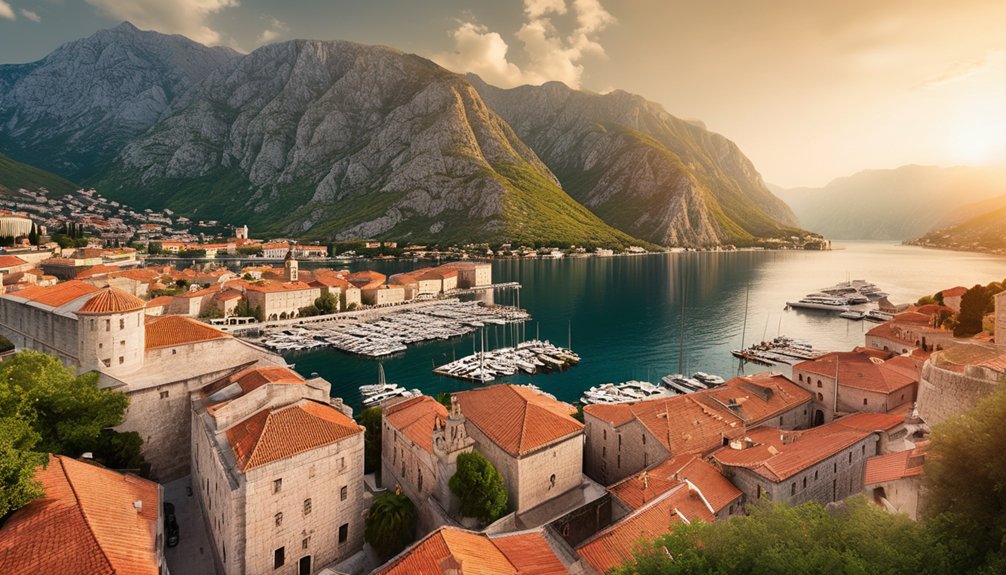
Herceg Novi, located at the entrance to Montenegro’s Bay of Kotor, captivates visitors with its blend of history and coastal beauty. The city’s strategic seaside position is marked by impressive fortresses like Kanli Kula, where you can explore ancient stone walls and enjoy sweeping views across the bay.
These landmarks reflect centuries of Venetian, Ottoman, and Austro-Hungarian influence, woven into the city’s architecture and lively atmosphere.
Strolling along the palm-fringed Škver promenade, you’ll encounter a relaxed Mediterranean lifestyle. Locals and travelers gather in vibrant squares, exchanging warm greetings and sharing in the region’s maritime traditions.
Cozy cafés invite you to pause, watch daily life unfold, and savor the town’s creative spirit.
Herceg Novi appeals to those seeking both cultural heritage and leisurely seaside experiences. Whether you’re climbing fortress ramparts or enjoying the sunset from a waterfront terrace, the city offers a unique sense of place.
Its rich history, welcoming community, and scenic promenades make Herceg Novi a memorable destination for anyone exploring Montenegro’s Adriatic coast.
Cetinje: Royal Heritage and Cultural Landmarks
Cetinje stands as a symbol of Montenegro’s royal roots and enduring cultural legacy. Nestled at the base of Mount Lovćen, this historic city served as the royal capital, shaping Montenegro’s national identity. Strolling along its shaded avenues, visitors encounter elegant façades and landmarks that reflect centuries of resilience and tradition.
The Cetinje Monastery is a focal point, housing revered relics and icons that highlight Montenegro’s spiritual strength. A visit here offers insight into the country’s Orthodox heritage and its pivotal role in national unity.
Nearby, the former royal palace, now a well-curated museum, allows guests to glimpse the lives and customs of the Petrović dynasty, offering a rare perspective on royal Montenegro.
Cetinje’s vibrant cultural scene also shines through its art galleries and historic embassies, which once served European diplomats. These sites underscore the city’s reputation as Montenegro’s cultural heart, blending international influences with local artistry.
Exploring Cetinje, you gain a deeper appreciation for a city where tradition and history remain alive, making it an essential destination for anyone seeking to understand Montenegro’s heritage.
Podgorica: Contemporary City Life and Urban Parks
Podgorica, Montenegro’s capital, offers a fresh take on city living, blending modern vibrancy with green tranquility. The city’s wide boulevards bustle with energy, lined by local cafés and contemporary galleries that reflect a youthful, creative spirit.
Unlike Montenegro’s historic coastal towns, Podgorica stands out for its dedication to urban parks and accessible nature.
Just steps from the center, Gorica Hill Park provides shaded walking trails and panoramic views, inviting residents and visitors to unwind. The Moraca River’s banks add another layer of calm, with tree-lined paths ideal for cycling or relaxed strolls.
Independence Square, at the heart of Podgorica, is the city’s social and cultural hub, where markets and public events showcase daily life.
Podgorica’s contemporary art spaces and lively festivals highlight a city in motion, yet a relaxed atmosphere prevails. This balance between progress and leisure creates an inviting destination for those eager to experience Montenegro’s evolving urban identity.
Whether you’re exploring vibrant neighborhoods or enjoying peaceful green retreats, Podgorica reveals a unique side of the country—a place where tradition and innovation coexist naturally.
Frequently Asked Questions
What Is the Best Time of Year to Visit Montenegro’s Cities?
Montenegro’s cities offer their finest experiences in late spring and early autumn. During these months, the weather is pleasantly warm, making it ideal for exploring historic streets and vibrant markets. Unlike the crowded summer, you’ll find popular destinations such as Kotor, Budva, and Herceg Novi more relaxed and welcoming.
Traveling in May, June, September, or early October allows you to enjoy cultural festivals, outdoor cafes, and scenic coastal walks without the high-season rush. This is also when local traditions come to life, offering authentic insight into Montenegrin culture. The Adriatic Sea remains inviting, so you can swim or sail along the coast in relative tranquility.
Daylight hours are long, giving you ample time to discover landmarks and sample local cuisine. Accommodation prices are often more reasonable than in peak summer, helping you make the most of your trip.
For those seeking a blend of history, natural beauty, and local flavor, late spring and early autumn stand out as the best times to visit Montenegro’s cities. These seasons combine comfortable weather, cultural richness, and fewer tourists, promising a memorable and immersive experience.
Is It Easy to Travel Between Cities in Montenegro?
Traveling between cities in Montenegro is straightforward, even for first-time visitors. Montenegro’s compact size means you can reach most destinations quickly. The country’s roads wind through stunning mountains, coastal stretches, and lush valleys. Drivers should expect some winding routes, but these journeys reward you with breathtaking scenery at every turn.
Public transport, including buses and trains, connects major cities such as Podgorica, Kotor, Budva, and Bar. Buses run frequently and are reliable, making them a practical choice for travelers who prefer not to drive. While trains are less extensive, the main railway line offers a scenic route between Bar and the capital, Podgorica.
Car rental is also popular, giving you flexibility to explore at your own pace. Navigating Montenegro by car is manageable thanks to clear signs and well-maintained main roads. However, expect slower driving speeds due to winding terrain and occasional narrow stretches.
Traveling between cities in Montenegro is not only easy but also an opportunity to experience local life and dramatic landscapes. Embrace the relaxed travel pace, as it’s part of Montenegro’s unique charm and appeal.
Do I Need a Visa to Enter Montenegro as a Tourist?
Planning a trip to Montenegro? Understanding the visa requirements is essential for a smooth travel experience. For short-term tourist stays, most travelers from the European Union, United States, United Kingdom, Canada, and Australia do not need a visa. Stays of up to 90 days within a 180-day period are generally permitted without a visa for citizens of these countries.
However, entry regulations can change, and requirements may differ depending on your nationality. Always confirm the current entry rules before booking flights or accommodation. Montenegro’s official government or embassy websites provide the latest information for travelers.
Travelers from countries not listed among visa-exempt nations must apply for a visa before arrival. The application process usually requires valid travel documents, proof of accommodation, and evidence of sufficient funds. Processing times may vary, so apply well in advance.
Montenegro maintains a straightforward yet regulated approach to tourism. Compliance with entry rules ensures a hassle-free arrival and stay. If you plan to visit neighboring countries, check their specific entry requirements as well, since rules can differ across the Balkans.
What Languages Are Commonly Spoken in Montenegro’s Cities?
Montenegro’s cities reflect a rich linguistic landscape shaped by the country’s diverse history and culture. Montenegrin serves as the official language and is widely spoken in daily life. However, visitors will also notice the widespread use of Serbian, Bosnian, and Croatian, especially in urban environments where communities often overlap. This linguistic blend makes communication flexible for both residents and travelers.
In major cities such as Podgorica, Budva, and Kotor, younger generations increasingly speak English, particularly in the service sector. Hotels, restaurants, and popular tourist areas employ staff who can converse confidently in English, making it convenient for international visitors. Multilingual signage and English menus are also common, further easing navigation for tourists.
For those considering a longer stay or deeper interaction, learning basic Montenegrin phrases can enrich the experience. Still, English proficiency among urban youth and professionals ensures that language barriers rarely hinder daily activities for tourists. Understanding Montenegro’s multilingual environment enhances your visit and helps you connect more authentically with local culture.
Are Credit Cards Widely Accepted in Montenegrin Cities?
When visiting Montenegro’s major cities, travelers can expect broad credit card acceptance, especially in urban centers like Podgorica, Kotor, and Budva. Most hotels, established restaurants, and larger retail stores process major credit cards, including Visa and Mastercard, ensuring a convenient experience for international visitors.
However, it’s important to note that not all local businesses offer card payments. Smaller cafés, family-run bakeries, and traditional markets may still operate on a cash-only basis. In these settings, card readers are less common, and cash transactions remain the norm. For a smooth visit, carry some Euros for incidental purchases or transportation.
International ATMs are widely available in central areas, making it easy to withdraw local currency when necessary. Most city taxis, chain supermarkets, and popular attractions accept cards, but always confirm before placing your order or making a purchase.