

Best Ottoman Heritage Sites in Bosnia – Bosnia and Herzegovina boasts remarkable Ottoman heritage sites, offering a unique blend of Eastern and Western influences. In Sarajevo, the Gazi Husrev-beg Mosque stands as a masterpiece of Ottoman architecture, drawing visitors with its elegance and spiritual significance. Just steps away, the historic Baščaršija Bazaar pulses with life, its narrow lanes filled with traditional crafts and vibrant cafes. The nearby Sebilj Fountain remains a cherished city symbol and gathering point.
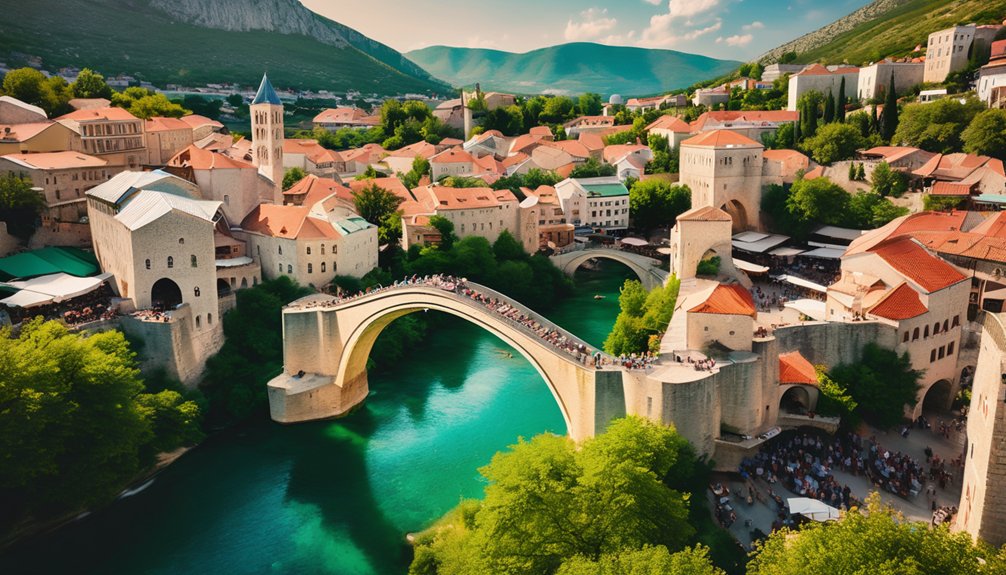
Beyond Sarajevo, Mostar’s iconic Stari Most arched bridge unites both banks of the Neretva River, symbolizing reconciliation and resilience. Travnik, once the seat of Ottoman viziers, impresses with its well-preserved fortress and beautifully adorned mosques. Farther south, the hillside village of Počitelj captivates with its Ottoman-era stone houses, impressive tower, and serene setting above the river.
For those passionate about history, these sites reveal the depth and diversity of Bosnia’s Ottoman past. Careful restoration and continuing tradition make each landmark an authentic window into centuries of cultural exchange. When exploring these destinations, respect local customs and take time to appreciate the artistry and stories etched into every stone.
The Significance of Ottoman Heritage in Bosnia
Bosnia and Herzegovina’s identity is deeply intertwined with its Ottoman heritage. The region’s towns and cities display a remarkable blend of Eastern and Western influences, shaped during centuries of Ottoman rule. Strolling through Sarajevo, Mostar, or Travnik, you’ll encounter mosques, stone bridges, and lively bazaars—testaments to the profound Ottoman impact on architecture, urban design, and cultural life.
These historic sites are more than picturesque landmarks. The Gazi Husrev-beg Mosque, the Old Bridge of Mostar, and Ottoman-era hammams all tell stories of coexistence and transformation. Their presence highlights how Ottoman influence shaped local customs, cuisine, and daily rhythms in Bosnia.
Exploring these sites allows you to trace the unique path of cultural fusion that defines the country’s character. Understanding Bosnia’s Ottoman legacy offers insight into its rich diversity and resilience.
Heritage tours or independent visits to these sites reveal how historical layers continue to shape Bosnia’s modern identity. For anyone interested in history, architecture, or cultural exchange, discovering Ottoman heritage in Bosnia provides a deeper connection to the region’s complex past and vibrant present.
Best Ottoman Heritage Sites in Bosnia – Top Ottoman Landmarks to Visit in Sarajevo
Sarajevo’s Ottoman landmarks offer a vivid journey through the city’s rich history and cultural evolution.
Start your exploration at the Gazi Husrev-beg Mosque, a majestic symbol of Ottoman religious architecture. This mosque remains a significant place of worship and a testament to Sarajevo’s enduring spiritual traditions.
Just steps away, the Baščaršija Bazaar immerses visitors in the heart of the old city. Its narrow alleys, lined with artisan shops and bustling cafés, reflect centuries of trade and craftsmanship.
Pause at the Sebilj Fountain, a beloved city emblem, often photographed and a favorite meeting point for locals and tourists.
Not far from here, Morića Han stands as a rare surviving Ottoman inn, where travelers once found rest along ancient trade routes. Each of these sites illustrates how Ottoman heritage shaped Sarajevo’s urban character and daily rhythms.
Notable Ottoman Sites Beyond Sarajevo
Bosnia and Herzegovina’s Ottoman heritage extends far beyond Sarajevo, revealing a landscape shaped by centuries of influence. In Mostar, the famous Stari Most (Old Bridge) stands as a striking example of Ottoman architecture and resilience. This 16th-century bridge not only connects the banks of the Neretva River but also serves as a symbol of unity and cultural exchange.
Traveling to Travnik, visitors discover a town that once served as the residence of Ottoman viziers. Its well-preserved fortress and vibrant mosques showcase the administrative and religious importance the Ottomans placed on this region.
Travnik’s unique blend of architectural and cultural elements provides an immersive experience into Bosnia’s Ottoman past.
Počitelj, perched above the Neretva Valley, features stone houses, a prominent Sahat-kula (clock tower), and winding streets. This historic settlement highlights the fusion of military strategy and artistic expression found in Ottoman urban planning.
Each of these sites reflects the depth and diversity of Ottoman influence in Bosnia and Herzegovina. Exploring these towns offers valuable insight into how the empire shaped both urban centers and rural landscapes, creating a rich legacy that endures beyond Sarajevo’s borders.
Discovering Bosnia’s Hidden Ottoman Gems
Bosnia and Herzegovina holds a wealth of lesser-known Ottoman heritage, waiting for curious travelers to explore. Beyond the famed Old Bridge of Mostar and Sarajevo’s historic center, smaller towns reveal an authentic glimpse into centuries past.
Stolac, for example, captivates visitors with Ottoman-era homes nestled alongside medieval ruins, creating a striking architectural blend unique to the region.
In Travnik, vibrant mosques and a remarkably preserved fortress showcase the enduring influence of Ottoman culture. Wander its old streets to find colorful facades and wooden latticework, details that highlight skilled local craftsmanship.
Meanwhile, the hillside village of Počitelj demonstrates how Ottoman builders skillfully adapted their designs to the rugged landscape, using local stone for dwellings that seem to grow from the cliffs.
These sites offer more than visual beauty. They invite you to understand how Ottoman traditions merged with local customs, shaping Bosnia’s distinctive identity.
Each hidden gem rewards visitors with quiet moments—at a stone fountain or along an intimate market street—where history feels close and personal. Exploring these treasures provides an enriching perspective on Bosnia’s multicultural heritage, far removed from crowded tourist routes.
How to Visit Ottoman Heritage Sites Respectfully
Bosnia’s Ottoman heritage sites aren’t just architectural treasures; they’re living symbols of the nation’s rich history and culture. When planning your visit, approach each site with sensitivity and awareness of local customs. Modest dress is essential, especially when entering mosques, to show respect for religious traditions.
Always ask for permission before taking photographs inside, as many sites remain active places of worship and community gathering. Move quietly and avoid loud conversations to maintain the peaceful atmosphere these landmarks deserve.
Engage with local guides whenever possible. Their insights can help you understand the historical context and significance behind each site, deepening your appreciation for Bosnia’s Ottoman legacy.
Pay close attention to posted guidelines and respect restricted areas. Many heritage sites serve both as tourist attractions and spiritual centers, making careful behavior crucial.