
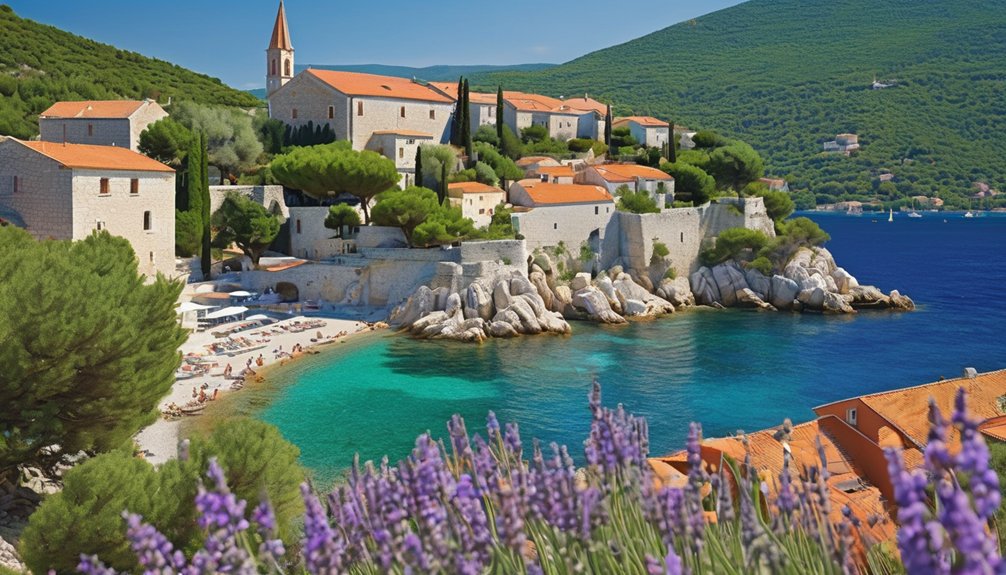
Best Time of Year to Visit Croatia – Croatia’s appeal shifts with the seasons, making your travel timing crucial for an ideal getaway. From May through September, the Adriatic coast basks in warm sunshine, and crystal-clear waters invite you to swim or sail. June and September strike a perfect balance—pleasant weather, fewer tourists, and vibrant local life. These months are ideal for exploring Dubrovnik’s ancient walls, island hopping in Dalmatia, or hiking in Plitvice Lakes National Park without the summer crowds.
Peak summer months, July and August, transform Croatia into a lively festival hub. Expect bustling cities and energetic nightlife, especially along the coast. However, popular destinations can get crowded, and accommodation prices are highest.
Visit in late spring or early autumn for a more relaxed experience. May and September offer mild temperatures and authentic encounters with local culture. Outdoor activities such as cycling, kayaking, and wine tasting become even more enjoyable when the pace slows.
Whether you seek cultural festivals, sun-drenched beaches, or serene landscapes, Croatia rewards visitors throughout the year. Plan your journey around your interests to make the most of this Adriatic gem.
Croatia’s Seasons: What to Expect Year-Round
Croatia offers diverse experiences throughout the year, shaped by its distinct seasons.
Spring welcomes visitors with mild temperatures and lush landscapes, ideal for hiking in Plitvice Lakes National Park or enjoying peaceful strolls through historic cities like Dubrovnik and Split. Fewer tourists during this time mean more authentic encounters and relaxed sightseeing.
Summer in Croatia is vibrant and lively. The Adriatic coast basks in sunshine, drawing travelers to crystal-clear beaches, island hopping, and lively festivals.
Coastal towns such as Hvar and Rovinj buzz with activity, making this the best season for swimming, sailing, and nightlife.
Autumn brings a quieter atmosphere, with forests and vineyards displaying rich golds and reds. This is the perfect season for wine tours and exploring local markets, as crowds thin out and prices drop.
Winter reveals a different side of Croatia. Coastal areas are calm, while cities like Zagreb come alive with festive markets and cultural events.
Snow covers inland mountains, creating opportunities for winter sports.
Understanding Croatia’s seasonal changes allows travelers to plan trips that match their interests, whether seeking adventure, relaxation, or cultural discovery.
Each season brings its own unique charm and activities, ensuring there’s always something special to experience in Croatia.
Best Time to Visit Croatia for Beaches and Islands
The Adriatic coast of Croatia offers an unforgettable experience for beach and island lovers. The prime time to visit is from late May to September, when the weather is consistently warm and the sea is invitingly clear. During these months, popular islands such as Hvar, Brač, and Korčula are at their best, with lively coastal towns, frequent ferries, and vibrant beach scenes.
If you prefer a more peaceful atmosphere, consider traveling in June or September. The crowds thin out, but the water remains warm and the scenery just as stunning. These shoulder months allow you to enjoy Croatia’s celebrated beaches with added tranquility and comfortable temperatures.
Summer brings a dynamic energy to the Dalmatian coast. Beach clubs open their doors, and local festivals fill the air with excitement. It’s the ideal period for swimming, sailing, and exploring hidden coves.
For those seeking both relaxation and adventure, this window offers the ultimate combination. Plan your trip during this peak season to fully experience Croatia’s picturesque islands and sun-drenched beaches. The long days and warm nights provide the perfect backdrop for a memorable seaside getaway.
Best Time to Explore Croatia’s Cities and Culture
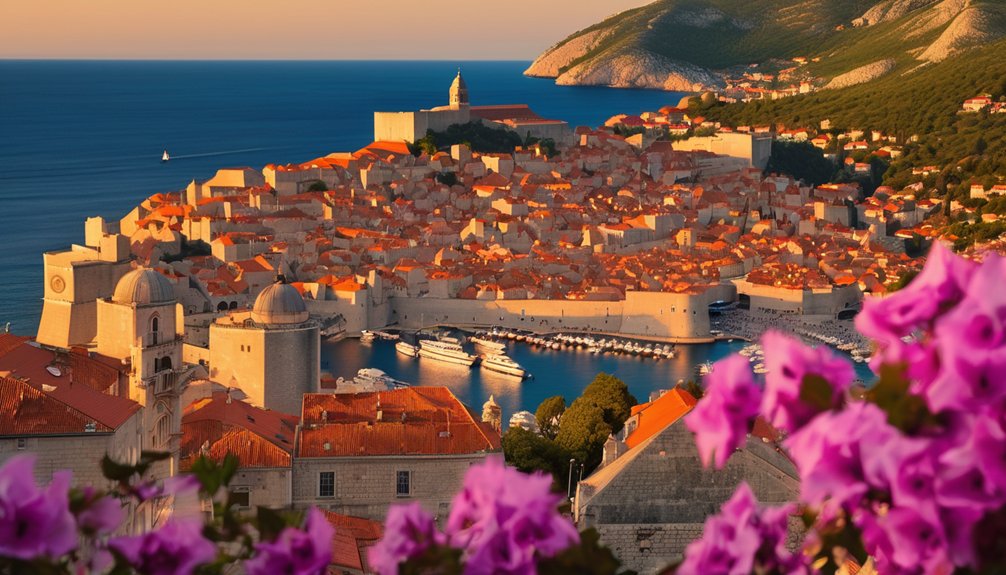
Croatia’s cities offer an immersive cultural experience best enjoyed during spring and early autumn. As the chill of winter fades, Zagreb’s boulevards fill with locals at bustling cafés, while city parks burst into color.
In Split, you can explore Roman-era streets and lively markets before peak season crowds arrive. These shoulder months deliver mild temperatures, making it easy to stroll Dubrovnik’s ancient walls or linger in sunlit squares.
During these times, museums and galleries host vibrant exhibitions, and local festivals fill the calendar. Outdoor terraces invite you to sample regional cuisine and meet Croatian artisans without the rush of summer tourism.
Traditional events, from open-air concerts to street performances, add authentic flavor to each visit. Traveling between late March and early June, or September to October, ensures fewer tourists and comfortable sightseeing conditions.
You’ll have more opportunities to engage with locals, discover unique crafts, and enjoy the relaxed pace that defines Croatia’s city life. For those seeking genuine cultural encounters, these seasons reveal the heart of Croatia beyond the postcard views.
Best Time for Nature and Outdoor Adventures in Croatia
Croatia’s landscapes offer exceptional opportunities for outdoor enthusiasts, especially during late spring and early autumn. From May to June and again in September and early October, conditions are ideal for hiking, cycling, and kayaking. The weather remains comfortably warm, avoiding the intense heat of midsummer, and popular trails and national parks see fewer visitors. This means you can explore places like Plitvice Lakes or the Dalmatian coast in a peaceful atmosphere, with vibrant scenery and accessible paths.
Wildflowers and fresh greenery transform Croatia’s nature reserves in spring, while autumn brings crisp air and colorful foliage. Waterfalls and rivers are fuller from spring rains, creating stunning backdrops for adventure.
Whether you seek panoramic mountain views, forested trails, or sparkling coastlines, these shoulder months showcase Croatia’s natural beauty at its best.
Planning your trip around these periods ensures a rewarding experience. You’ll enjoy uncrowded destinations, favorable weather, and a chance to immerse yourself in Croatia’s dynamic outdoors.
For those eager to discover the country’s wilder side, late spring and early autumn are truly the best times to visit.
Best Time of Year to Visit Croatia – How to Pick the Right Season for Your Croatian Trip
Curious about the best time to visit Croatia? Timing your trip can transform your entire travel experience. Croatia’s seasons each offer distinct charms, so matching the timing to your interests is key.
For ideal beach weather and lively coastal towns, plan your visit for late spring or early autumn. May, June, September, and October bring warm temperatures and inviting Adriatic waters, but fewer crowds.
If you love festivals and vibrant nightlife, summer delivers with bustling islands and energetic events—just expect higher prices and busy hotspots.
Seeking a quieter, more authentic side of Croatia? Early spring welcomes travelers with blooming landscapes and tranquil historic sites.
Autumn paints vineyards and forests in gold, perfect for scenic drives and local wine tastings. Winter, especially in Zagreb, charms visitors with festive markets and cozy cafés, offering a relaxed atmosphere away from the summer rush.
Consider what excites you most—sunny beaches, cultural exploration, or serene escapes. By aligning your plans with Croatia’s seasonal highlights, you’ll ensure a rewarding and memorable journey tailored to your preferences.