
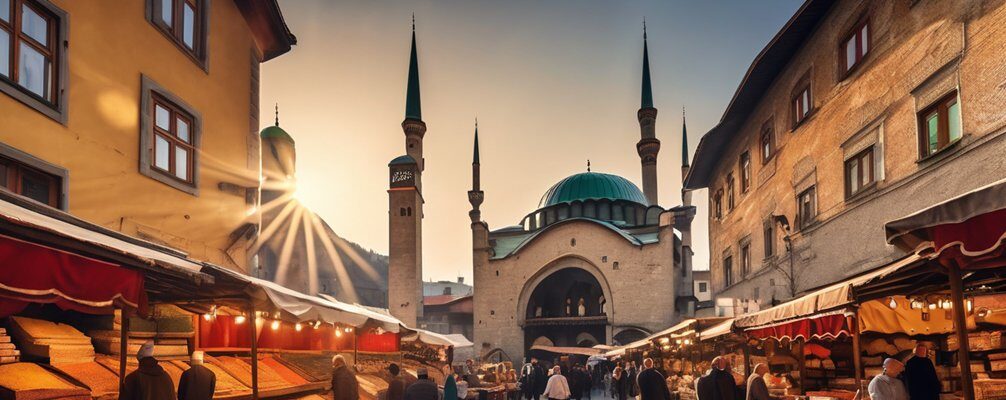
Bosnia Itinerary for 5 Days – Experience the best of Bosnia in just five days with this unforgettable itinerary. Begin your journey in Sarajevo, where cobblestone streets and Ottoman-era architecture set the stage. Wander through Baščaršija, the city’s vibrant bazaar, and enjoy authentic Bosnian coffee by the Latin Bridge—a site steeped in history.
Head to Mostar to witness the breathtaking Stari Most. Cross the iconic bridge at sunset for a truly memorable view. Afterward, visit the tranquil riverside monastery in Blagaj and relax by the cascading Kravice Waterfalls.
Continue your exploration in Počitelj, where the ancient fortress offers sweeping vistas of the Neretva River. Allow time for Konjic, a mountain town ideal for outdoor enthusiasts and those who enjoy panoramic views.
Along your route, sample local flavors like ćevapi in bustling markets and interact with artisans crafting traditional goods. Bosnia’s blend of rich history, diverse landscapes, and warm hospitality will leave a lasting impression.
This five-day itinerary blends cultural heritage, natural beauty, and authentic experiences, making it perfect for travelers seeking both adventure and connection. Plan ahead to make the most of your visit, and let Bosnia’s unique charm inspire your journey.
Day 1: Discover Sarajevo, Bosnia’s Historic Capital
Arriving in Sarajevo, Bosnia’s vibrant capital, marks the perfect start to your Bosnia itinerary for 5 days. The city’s unique blend of Ottoman and Austro-Hungarian influences is immediately apparent as you explore Baščaršija, Sarajevo’s historical center.
Here, artisan shops and copperware stalls line narrow alleys, offering a true sense of local culture. Savor a traditional burek from a nearby bakery and enjoy the aroma of freshly brewed Bosnian coffee drifting from bustling cafés.
As you stroll along the Miljacka River, pause at the Latin Bridge, a site steeped in European history. The harmonious sounds of the call to prayer echo through the old town, highlighting Sarajevo’s multicultural roots.
Engage with friendly locals and immerse yourself in Sarajevo’s resilience and warmth. Evening is best spent at a local café, deepening your appreciation for the city’s living history over a strong cup of coffee.
Sarajevo will leave a lasting impression, setting an inspiring tone for your five days in Bosnia and Herzegovina.
Bosnia Itinerary for 5 Days – Day 2: Explore Mostar and Herzegovina’s Landmark Bridges
Venture south from Sarajevo to discover Mostar, the jewel of Herzegovina, renowned for its breathtaking bridges and vibrant Old Town. The legendary Stari Most, gracefully spanning the emerald Neretva River, stands as a testament to resilience and artistry. Rebuilt after conflict, this UNESCO-listed bridge draws visitors to its stone arches and captivating views.
As you cross, the historic cobblestones echo with stories of centuries past.
Stroll through Mostar’s bustling bazaars, where artisans display copperware and handwoven rugs, reflecting the city’s diverse heritage. Nearby, the charming Crooked Bridge offers a quieter spot, mirroring Stari Most’s architectural grace on a smaller scale.
Pause at a riverside café to savor authentic baklava and Turkish coffee while taking in panoramic sights of the river and bridges.
As sunset approaches, the Neretva River shimmers with golden hues, casting Mostar in an unforgettable light. Exploring Mostar and its landmark bridges is essential for any 5-day Bosnia itinerary, providing a deep sense of connection to the region’s enduring spirit and cultural richness.
Day 3: Blagaj Monastery and Kravice Waterfalls Adventure
Experience the rich heritage and captivating scenery of Herzegovina on a journey from Blagaj Monastery to Kravice Waterfalls.
Begin your day at the peaceful Blagaj Monastery, set beside the Buna River’s source. Its striking Ottoman architecture and tranquil riverside location offer a unique glimpse into centuries-old spiritual tradition. Enjoy a quiet moment with a cup of authentic Bosnian coffee at a café by the water, letting the sound of the rushing spring create a serene backdrop.
As midday arrives, travel to the renowned Kravice Waterfalls, a natural wonder surrounded by lush forest. The powerful cascades and turquoise pools make this site a favorite among both locals and visitors.
Swim in the clear, inviting water or relax on the shaded banks, taking in the untouched beauty of the landscape.
With its blend of cultural treasures and dramatic natural sights, this Herzegovina itinerary promises a rewarding adventure for nature lovers and history enthusiasts alike.
Don’t forget your swimsuit—summer days here are perfect for a refreshing dip.
Day 4: Medieval Towns and Mountain Views
As dawn breaks over southern Bosnia, travelers are captivated by medieval towns and breathtaking mountain views.
Start your journey in Počitelj, a well-preserved fortress village perched above the Neretva River. Ivy-covered stone houses line narrow lanes, while the historic fortress offers sweeping panoramas ideal for photography. Počitelj’s Ottoman heritage is palpable as you wander beneath ancient arches and climb the tower for a commanding view of the landscape.
Continue your exploration as you head toward the mountains and reach Konjic. This charming town is famous for its iconic stone bridge, gracefully spanning turquoise waters. Riverside cafes invite you to pause and savor authentic Bosnian coffee. The dramatic backdrop of forested mountains adds a sense of adventure, making Konjic a prime destination for those seeking both history and natural beauty.
These medieval towns in Bosnia offer more than just picturesque scenery. Visitors experience living history, remarkable architecture, and a vibrant local culture.
Whether you’re a history enthusiast or a lover of mountain vistas, southern Bosnia’s towns provide an unforgettable glimpse into the region’s rich heritage and stunning landscapes, making them must-see destinations on any Balkan itinerary.
Day 5: Experience Local Life and Bosnian Cuisine

Immerse yourself in authentic Bosnian culture by spending your final day exploring the everyday life and cuisine of Sarajevo or Mostar.
Begin at a bustling local market, where the aroma of fresh bread and the colors of seasonal produce showcase the region’s rich traditions. Interact with friendly vendors and discover ingredients that define Bosnian cooking.
For a true taste of the country, visit a traditional čevabdžinica. Here, ćevapi—succulent grilled meat—arrive nestled in fluffy somun with onions, offering a beloved local experience.
Take time to enjoy Bosnian kahva, a strong coffee served with a ritual that encourages conversation and connection. Sharing a cup with locals reveals the importance of hospitality and tradition in Bosnian daily life.
As you wander the city’s narrow lanes, notice the blend of Ottoman and Austro-Hungarian influences in the architecture and street scenes. Each corner tells a story, connecting past and present.
Frequently Asked Questions
What Is the Best Time of Year to Visit Bosnia for This Itinerary?
When planning your ideal Bosnia itinerary, timing can make all the difference. The best time to visit Bosnia is from late spring through early autumn, specifically May to September. During these months, the country shines with green valleys, clear rivers, and vibrant city life. Outdoor enthusiasts will appreciate the mild temperatures, which are perfect for hiking, rafting, and exploring Bosnia’s national parks.
Travelers seeking culture will find Sarajevo and Mostar bustling with festivals and open-air events. Cafés spill onto streets, and local markets brim with fresh produce. This period also avoids the harsh winter chill and unpredictable spring rains, ensuring more stable weather for sightseeing and road trips.
Crowds are moderate compared to peak European destinations, so you can enjoy authentic experiences without feeling rushed. Roads are clear, and scenic drives reveal Bosnia’s dramatic landscapes at their lushest. If you want to capture the essence of Bosnia—its nature, history, and hospitality—these warmer months are unmatched. Plan your trip between May and September for the most rewarding travel experience.
Are There Visa Requirements for Travelers Visiting Bosnia?
Travelers planning a visit to Bosnia and Herzegovina should be aware of current visa policies to ensure a smooth entry. Citizens of the European Union, United States, United Kingdom, Canada, Australia, and several other countries enjoy visa-free access for stays up to 90 days within a 180-day period. This policy makes Bosnia an attractive destination for both tourists and business visitors seeking convenience and flexibility.
However, visa requirements can change unexpectedly. It is essential to verify entry conditions with the nearest Bosnian consulate or through official government channels before making travel arrangements. Some nationalities outside the visa-exempt list must apply in advance for a tourist or business visa. Required documents typically include a valid passport, proof of accommodation, and evidence of sufficient funds.
Travelers should also check if their passports have at least three months’ validity beyond the planned departure date. Overstaying the permitted period can result in fines or future entry bans. By staying informed and prepared, visitors can avoid unnecessary complications and fully enjoy what Bosnia has to offer. Always consult up-to-date resources to confirm you meet all entry requirements for your nationality, ensuring a hassle-free journey.
Is English Widely Spoken in Tourist Areas of Bosnia?
Travelers visiting Bosnia often wonder if they can rely on English during their stay. In Bosnia’s main tourist hubs—such as Sarajevo, Mostar, and Banja Luka—English is widely spoken, especially among hospitality staff and younger locals. Hotels, popular restaurants, and guided tours typically have English-speaking employees, ensuring smooth communication for international guests.
Taxi drivers and shop owners in busy areas often understand basic English, though their fluency may vary. Travelers should expect less English proficiency in smaller towns or rural regions, where older generations may speak only Bosnian or limited German, Italian, or Turkish. However, younger Bosnians in tourist settings usually have a good command of English, thanks to its presence in schools and popular culture.
While it is possible to navigate most tourist activities using English, learning a few simple Bosnian phrases can make a positive impression. Locals appreciate the effort, and it often leads to warmer, more engaging interactions. Essential greetings or polite expressions can enhance your travel experience and demonstrate respect for the country’s culture.
What Currency Is Used in Bosnia and Herzegovina?
When traveling to Bosnia and Herzegovina, you’ll need the Bosnian Convertible Mark, abbreviated as BAM and locally known as “marka.” This is the sole official currency and is accepted everywhere, from urban shopping centers to rural markets.
Most cities and tourist destinations offer a good network of ATMs, and major cards are widely accepted in hotels, restaurants, and larger stores. However, in smaller towns and remote villages, cash is preferred. It’s wise to carry enough BAM for markets, local eateries, and taxis, as card facilities may be unavailable.
Currency exchange offices and banks can be found in all major cities and airports, making it easy to get BAM upon arrival. Euros are sometimes accepted in tourist hotspots, but exchange rates are often unfavorable, so using BAM is recommended for better value.
Keep in mind that foreign currency is rarely accepted outside major tourist areas. Always check prices and pay in the local currency to avoid confusion. By using the Bosnian Convertible Mark, you ensure smooth transactions and avoid unnecessary fees, making your visit more convenient and stress-free.
Are Credit Cards Accepted at Most Restaurants and Attractions?
In Bosnia and Herzegovina, credit cards are widely accepted at most restaurants and major attractions, particularly in larger urban areas. You can expect to use credit cards with ease in cities like Sarajevo, Mostar, and Banja Luka, where modern payment systems are standard in many dining establishments, museums, and popular tourist sites.
However, when traveling outside city centers, it’s wise to be prepared. Smaller towns, rural villages, and traditional family-run restaurants may operate on a cash-only basis. Local markets and street vendors also typically prefer cash payments. Carrying a reasonable amount of local currency ensures smooth transactions and helps avoid inconvenience, especially if you plan to explore more remote regions.
International credit cards such as Visa and Mastercard are the most commonly accepted. Some places may not take American Express or other less common cards, so check ahead if possible. It’s a good idea to inform your bank of your travel plans to avoid issues with card usage or security blocks.