
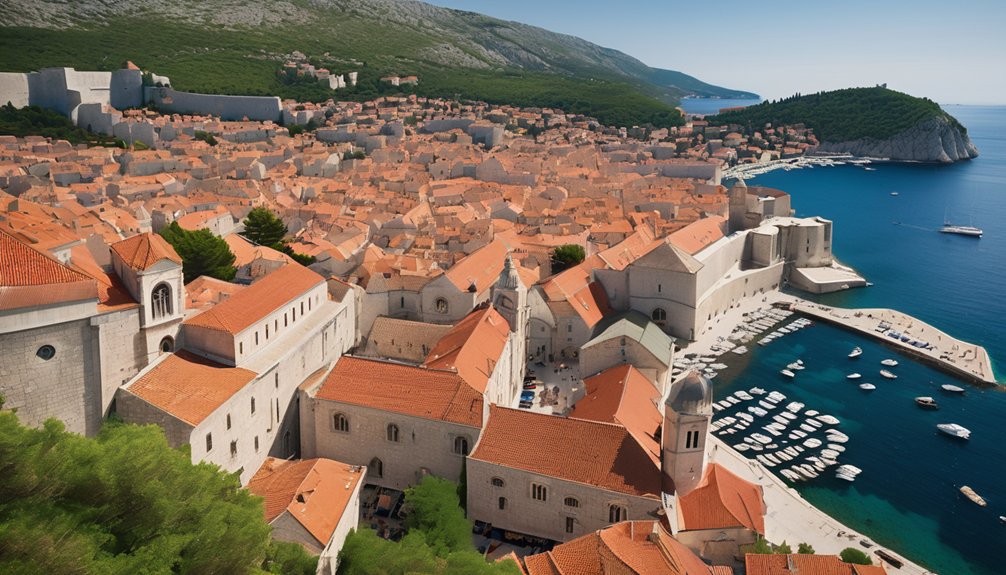
Croatia Itinerary for 10 Days – Embark on a remarkable 10-day Croatia itinerary that captures the country’s best highlights. Begin in Dubrovnik, where you can stroll along medieval city walls and soak in panoramic Adriatic views. From there, take a ferry to Hvar or Korčula. Both islands offer crystal-clear beaches and a relaxed Mediterranean atmosphere—perfect for unwinding after exploring historic streets.
Continue your journey north to Split, home to lively markets and the impressive Diocletian’s Palace. Enjoy seafood at a local seaside café, and take time to appreciate the city’s vibrant culture. Next, set out for Plitvice Lakes National Park. Here, wooden walkways wind through lush forests past cascading turquoise waterfalls—a true natural wonder.
Round out your trip with visits to Šibenik and Zadar, each boasting UNESCO-listed sites and unique coastal charm. Renting a car gives you the freedom to travel at your own pace and discover hidden gems along the way. This Croatia itinerary balances historic exploration, island relaxation, and natural beauty, ensuring a memorable trip.
10-Day Croatia Itinerary: Day-by-Day Highlights
A thoughtfully designed 10-day Croatia itinerary reveals the country’s rich tapestry of history, nature, and coastal charm.
Start your journey in Dubrovnik, where ancient city walls and limestone streets invite exploration. Savor local seafood and admire panoramic views of the Adriatic.
Next, ferry to the islands of Hvar or Korčula, where you can relax on sun-drenched beaches and stroll through vine-covered villages.
Travel inland to discover Plitvice Lakes National Park, a UNESCO site famed for its cascading waterfalls and crystal-clear lakes. Spend a day hiking scenic trails and enjoying the tranquil setting.
Continue to Split, where Roman ruins blend seamlessly with lively markets and seaside cafes. In Trogir, wander through a medieval old town filled with architectural gems.
Balance sightseeing with moments of leisure—pause for coffee in a bustling square or linger at a waterfront promenade.
Wear comfortable shoes, pack light, and stay flexible to embrace Croatia’s welcoming rhythm.
This Croatia itinerary for 10 days ensures you experience the nation’s highlights, from coastal wonders to inland marvels, leaving you with lasting memories and a deep appreciation for Croatia’s heritage and natural beauty.
Croatia Itinerary for 10 Days – Essential Destinations From Dubrovnik to Zagreb
Embarking on a journey from Dubrovnik to Zagreb allows travelers to experience Croatia’s remarkable diversity.
Begin your adventure in Dubrovnik, where ancient stone walls overlook the sparkling Adriatic Sea. Stroll through the city’s historic core and enjoy panoramic views from the fortress.
Heading north, Split welcomes you with its lively waterfront and the impressive Diocletian’s Palace, a UNESCO World Heritage Site that anchors the city’s old town.
Don’t miss the enchanting Plitvice Lakes National Park. Its series of cascading lakes and lush forests provide a breathtaking escape and are a highlight for nature lovers.
Continue to Zadar to witness the unique Sea Organ and vibrant sunsets that have inspired artists for generations.
In Šibenik, marvel at the UNESCO-listed Cathedral of St. James, a masterpiece of Renaissance architecture.
As you near Zagreb, the atmosphere shifts. The capital offers leafy avenues, historic squares, and a thriving café culture.
Traveling this route reveals Croatia’s blend of coastal beauty and continental elegance. Plan your itinerary to savor each stop, as every destination offers a distinct window into the country’s culture and history.
This journey is ideal for those seeking both natural wonders and urban sophistication.
Unmissable Experiences Along the Way
Moments of discovery make a trip through Croatia truly unforgettable.
Begin your journey in Dubrovnik, where walking the ancient city walls at sunset offers striking views over the glowing Adriatic Sea.
In Split, explore Diocletian’s Palace as local life unfolds among the Roman ruins, blending history with vibrant street culture.
Island-hopping in the Adriatic is a must. The islands of Hvar and Korčula reward travelers with secluded beaches and clear waters, ideal for swimming and relaxation.
Sample fresh seafood dishes in traditional seaside konobas, where the flavors reflect Croatia’s maritime heritage. Pair your meal with a glass of robust Dalmatian wine to experience the region’s culinary artistry.
Nature lovers shouldn’t miss Plitvice Lakes National Park. Wooden walkways guide visitors over turquoise lakes and cascading waterfalls, creating a photographer’s paradise.
Markets across Croatia brim with local figs and olive oil—perfect for those seeking authentic flavors.
Engage with welcoming locals eager to share stories and traditions. These immersive experiences reveal Croatia’s unique character and transform your journey from Dubrovnik to Zagreb into a collection of vivid memories.
Each destination along the route offers its own charm, ensuring your travels are rich with discovery and lasting impressions.
Best Routes and Travel Tips for Croatia
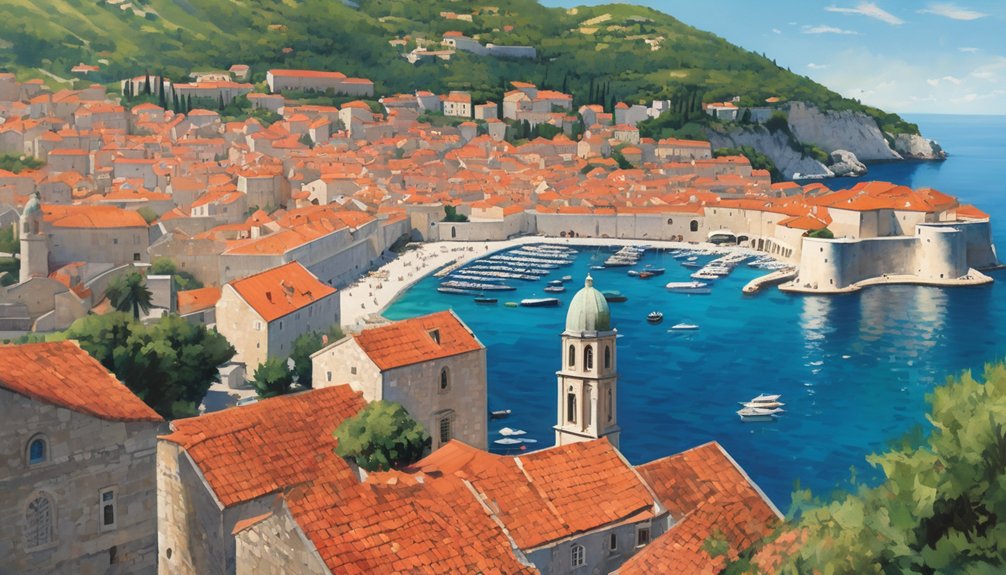
Planning a trip through Croatia requires thoughtful route selection to unlock the country’s full potential. Begin your journey in Zagreb, where lively streets and historic sites set the tone.
From there, drive south toward the enchanting Plitvice Lakes National Park, famous for its turquoise waters and stunning waterfalls. Continue to the Adriatic coast, where Split’s ancient Diocletian’s Palace reveals layers of Roman history.
As you travel along the scenic coastline, consider detours to charming hilltop villages and secluded beaches—many hidden gems lie beyond the main highways.
For the best experience, rent a car or arrange a private transfer. This flexibility lets you explore authentic local eateries and viewpoints not accessible by bus or train.
If you’re planning to visit islands like Hvar or Korčula, always check ferry schedules in advance, as departures can be limited, especially in low season. Avoid driving during peak hours on coastal roads to ensure a smoother, more relaxing journey.
Personalize Your Croatia Adventure
Designing your Croatia itinerary is your chance to create a truly personal journey. Start by identifying what excites you most—whether that’s discovering Dubrovnik’s ancient history or exploring Split’s vibrant waterfront.
If you seek tranquility, consider a detour to Hvar, where lavender fields and quiet coves offer a peaceful escape. History enthusiasts might wander through Istria’s hill towns, perhaps joining a local truffle hunt for an authentic taste of the region.
Travelers passionate about culture can enhance their trip by timing visits with traditional village festivals or open-air markets, immersing themselves in local life.
Those who value flexibility should opt for private touring, making it easy to adjust each day’s activities. Swap a planned city walk for an impromptu coastal hike, or pause when you discover a charming winery along the way.
Let your interests guide each decision. Croatia rewards curiosity and spontaneity, revealing hidden gems to those who explore at their own rhythm.
With thoughtful planning and a willingness to embrace the unexpected, your adventure in Croatia becomes one-of-a-kind, rich with moments you’ll remember long after your journey ends.
Frequently Asked Questions
What Is the Best Time of Year to Visit Croatia for a 10-Day Trip?
The best time of year to visit Croatia for a 10-day trip is late spring (May to June) or early autumn (September). These months offer warm, pleasant weather ideal for exploring both the coastline and inland destinations. You’ll avoid the peak summer crowds, meaning popular spots like Dubrovnik, Split, and the Dalmatian Islands are more relaxed and accessible.
During these shoulder seasons, the Adriatic Sea is inviting, and local attractions remain lively without becoming overcrowded. Outdoor activities such as sailing, hiking, and sightseeing are especially enjoyable thanks to milder temperatures and longer daylight hours.
Pack a mix of light clothing and a few layers for cooler evenings, as nights can be breezy near the water. Restaurant reservations and hotel bookings are easier to secure, and prices are often more competitive than in July or August.
Whether you want to soak in the historic charm of coastal cities, tour national parks, or sample regional cuisine, May, June, and September deliver an exceptional balance of comfort, vibrancy, and value for your Croatian adventure.
Are Visas Required for Travelers Visiting Croatia From Outside the EU?
If you are planning a trip to Croatia from outside the European Union, visa requirements depend on your nationality. Many travelers from countries like the United States, Canada, Australia, Japan, and several others can enter Croatia visa-free for short stays, typically up to 90 days within a 180-day period. However, citizens of other countries must obtain a Croatian visa before arrival.
It is crucial to verify your eligibility well in advance. Croatian visa policies can change, and requirements vary based on your reason for visiting and the duration of your stay. For the most accurate and current information, consult the official Croatian Ministry of Foreign and European Affairs website. This resource provides up-to-date details on entry rules, necessary documentation, and application procedures.
Travelers should also ensure their passports are valid for at least three months beyond their planned departure date from Croatia. You may be asked to present proof of accommodation, return tickets, and sufficient funds during entry checks.
What Is the Local Currency in Croatia and Where Can I Exchange Money?
Croatia’s local currency is the euro (EUR), introduced in January 2023. If you are traveling to Croatia, it is important to know where you can exchange money for the best convenience and rates. Currency exchange offices are widely available in airports, major cities, and tourist destinations. Many travelers find these offices practical for exchanging small amounts upon arrival.
Bank ATMs are a reliable option for withdrawing euros directly with your debit or credit card. These machines are easy to find in urban areas and near popular attractions. Using ATMs operated by well-known banks typically ensures competitive exchange rates and higher security compared to independent machines or exchange kiosks.
Before withdrawing cash, check with your bank about international card fees to avoid unnecessary charges. While some businesses accept card payments, carrying some cash is still helpful for markets, taxis, or smaller shops, especially outside large cities. Always decline offers for dynamic currency conversion at ATMs, as this often results in less favorable rates.
Plan your currency needs in advance, and use trusted sources for all exchanges to ensure a smooth experience during your stay in Croatia.
Is English Widely Spoken in Major Croatian Cities and Tourist Areas?
Travelers visiting Croatia’s major cities and popular tourist destinations will find English is commonly spoken. In places like Zagreb, Split, Dubrovnik, and coastal resorts, most staff in hotels, restaurants, and tourist attractions communicate comfortably in English. This widespread proficiency makes navigating transportation, ordering meals, and seeking local recommendations straightforward for English-speaking visitors.
English is especially prevalent among younger Croatians and those working in the tourism sector. Signs, menus, and travel information frequently appear in both Croatian and English, further easing communication. Even outside the main tourist areas, many locals understand basic English, allowing for simple exchanges and requests.
While you can expect a smooth experience using English in most urban and tourist settings, making the effort to learn a few Croatian greetings or polite phrases is always appreciated. Simple words like “hvala” (thank you) or “molim” (please) can help foster a positive connection with locals and show respect for Croatian culture.
Are There Any Specific Health or Safety Considerations for Travelers in Croatia?
Croatia is widely recognized for its safety, stunning coastlines, and welcoming locals. However, travelers should consider several important health and safety tips to ensure a worry-free visit. The Mediterranean climate brings strong summer sun, so protect your skin with high-SPF sunscreen and wear a wide-brimmed hat. Staying hydrated is crucial, especially during outdoor activities or sightseeing in peak temperatures.
Many historic towns feature charming but uneven stone streets that can become slippery, particularly in wet weather. Comfortable, sturdy footwear helps prevent slips and falls. Along the coast and on islands, mosquitoes and other insects are common from spring through autumn. Carry insect repellent to minimize bites, especially when exploring nature or dining outdoors.
Tap water in Croatia is safe to drink, so refill bottles to reduce plastic waste. If you plan to swim, pay attention to posted safety warnings and respect lifeguard instructions. Some remote areas may have limited medical facilities, so consider travel insurance covering medical emergencies.
While crime rates remain low, always keep valuables secure and stay aware of your surroundings in crowded places. Taking these practical steps will help you enjoy Croatia’s vibrant culture and natural beauty with confidence.