

Difference Between MICE and Business Travel – MICE (Meetings, Incentives, Conferences, and Exhibitions) and business travel serve different professional purposes. MICE focuses on organized, large-scale events such as conventions, seminars, and trade shows. These gatherings demand intricate planning, specialized venues, and advanced logistical support. The aim is to drive knowledge sharing, networking, and collaboration among professionals from various sectors.
In contrast, business travel typically involves individuals or small teams traveling for meetings, negotiations, or site visits. It is more flexible, often requiring less advanced preparation and involving straightforward itineraries. Business travelers prioritize efficiency, convenience, and the ability to adapt plans quickly.
Traveler profiles also vary. MICE participants often follow structured schedules and interact in formal settings, while business travelers usually manage their own agendas. The transportation needs differ as well—MICE events may charter group flights or coordinate shuttles, while business travelers use regular commercial options.
Understanding these differences helps organizations tailor their travel management strategies for optimal results. Whether managing delegates for a large conference or supporting an executive’s quick trip, recognizing the distinct needs of each type ensures smoother planning and improved outcomes.
MICE vs. Business Travel: What’s the Real Difference?
In the travel sector, MICE and business travel are often mistakenly used interchangeably, yet they address different needs. MICE—an acronym for Meetings, Incentives, Conferences, and Exhibitions—focuses on organizing structured events that foster large-scale networking, professional development, and collaboration. These gatherings demand dedicated venues, advanced logistics, and comprehensive group coordination, often with a destination’s specialized infrastructure in mind.
Business travel, on the other hand, primarily supports individual professionals or small teams attending meetings, negotiations, or site visits. These journeys tend to be more flexible and less dependent on complex event planning.
For example, MICE tourism in Serbia includes international conferences or trade fairs in cities like Belgrade, requiring robust event management and local support services.
Understanding these differences is crucial for travel planners, policymakers, and industry stakeholders. MICE events influence city infrastructure, resource allocation, and regulatory planning, while business travel typically impacts corporate budgeting and daily operations.
Recognizing the unique requirements of each ensures optimal destination development and efficient travel management. This clear distinction helps organizations allocate budgets wisely and shape policies that support sustainable growth in both sectors.
Main Purposes: Why Companies Choose MICE or Business Trips
Businesses routinely weigh the benefits of MICE events versus traditional business trips to meet diverse objectives. MICE—encompassing Meetings, Incentives, Conferences, and Exhibitions—centers on structured group events. These gatherings promote collaboration, drive professional growth, and reward achievements.
For example, organizations might use MICE to launch new products, organize industry conferences, or strengthen ties among regional teams. Such events offer a platform for building networks and sharing knowledge at scale.
On the other hand, standard business travel targets individual or small team goals. This approach is ideal for client meetings, negotiations, site inspections, or urgent operational tasks. It focuses on specific business outcomes rather than broad team engagement.
Companies favor business travel when immediate, targeted action is needed to support ongoing projects or client relationships.
Recognizing the distinct purposes of MICE and business travel enables organizations to allocate budgets wisely and create effective travel policies. By aligning travel strategies with company goals, businesses maximize the return on investment from every trip.
Ultimately, choosing the right approach helps your organization achieve its strategic vision while supporting employee productivity and engagement.
Difference Between MICE and Business Travel – Who Typically Travels for MICE and Business?
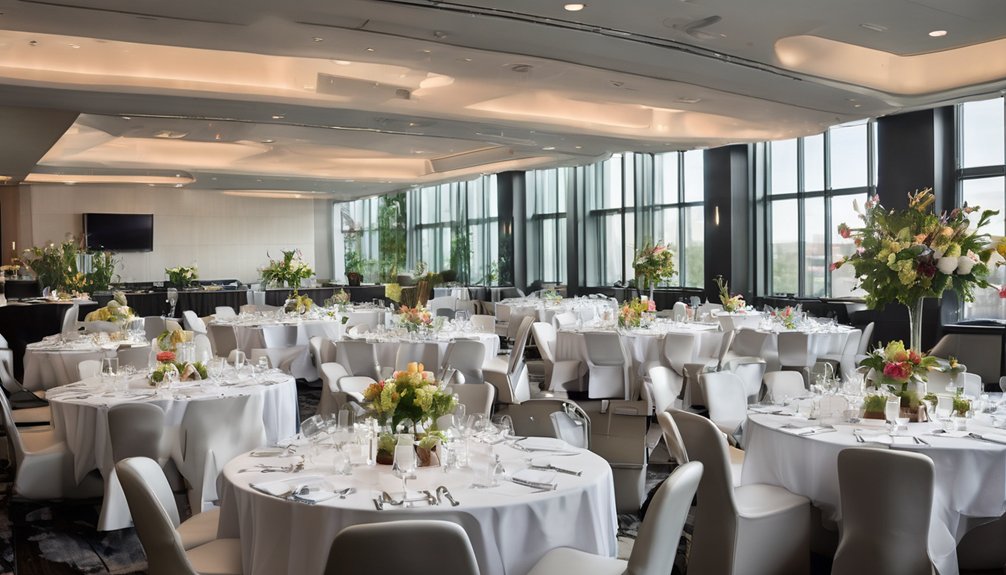
Business travel encompasses varied profiles, but distinct differences exist between MICE travel and standard corporate trips. MICE—Meetings, Incentives, Conferences, and Exhibitions—attracts a broad mix of professionals. Attendees often include senior executives, industry experts, department heads, and sales teams. These groups gather from different companies or departments to foster networking, share knowledge, and collaborate on sector-wide initiatives.
In contrast, traditional business travel usually involves individuals or small teams. These travelers are typically managers, consultants, or key staff members. Their trips focus on specific objectives such as client meetings, negotiations, site inspections, or internal reviews.
Unlike MICE events, which emphasize group dynamics and cross-industry connections, standard business travel is more targeted and operational.
Recognizing these differences is vital for organizations planning travel policies. Allocating resources based on attendee profiles ensures effective support and budget control.
MICE travelers benefit from group-focused arrangements and networking opportunities, while individual business travelers require streamlined, task-oriented logistics.
How Are MICE and Business Travel Organized?
Organizing MICE (Meetings, Incentives, Conferences, and Exhibitions) and business travel demands distinct strategies tailored to specific objectives. MICE events require robust planning and typically involve teams or specialized agencies. These professionals handle every detail, including venue selection, participant registration, supplier contracts, and customized agendas.
Clear policies guide budget management, delegate logistics, and contract negotiations to ensure seamless execution. In contrast, business travel is usually arranged at the individual or departmental level. Companies implement defined policies for bookings, expense approvals, and compliance.
Travel coordinators or administrative staff manage flight reservations, accommodations, and local transportation with a focus on efficiency and traveler safety. Both MICE and business travel rely on structured protocols, yet their organization reflects different operational needs.
MICE planning prioritizes group coordination and event success, while business travel emphasizes flexibility and cost control for individual travelers. By leveraging tailored planning models and clear procedures, organizations can enhance efficiency, control costs, and deliver successful outcomes for both event participants and business travelers.
Best Transportation Solutions for Business Travel in the Western Balkans
Efficient business travel in the Western Balkans demands reliable and flexible transportation. Executives navigating cities like Belgrade, Zagreb, Ljubljana, Sarajevo, and Podgorica require seamless transfers to maintain productivity and professionalism. Premium chauffeur-driven services, featuring executive vehicles such as the Mercedes-Benz E-Class and S-Class, address these needs with punctuality and discretion.
Business travelers benefit from tailored mobility solutions that adapt to dynamic schedules. Professional drivers ensure timely arrivals for meetings and events, while confidential travel environments support sensitive discussions en route.
For group travel, the Mercedes-Benz V-Class and Sprinter offer spacious, comfortable options, allowing teams to coordinate efficiently and arrive together.
Selecting a reputable transportation provider helps minimize travel-related stress and reduces missed opportunities. Reliable service means executives can focus on their core objectives without worrying about logistics. This approach also enhances a company’s image, projecting reliability and attention to detail to business partners.
For organizations seeking to optimize operations in the Western Balkans, investing in premium transportation elevates the business travel experience. Streamlined mobility, responsive service, and adaptable routes ensure every journey supports the goals of your business.
Frequently Asked Questions
What Does the Acronym MICE Stand for in Corporate Travel?
In the realm of corporate travel, the term MICE stands for Meetings, Incentives, Conferences, and Exhibitions. This acronym is essential for organizations planning group events across various industries. Each component of MICE addresses a specific business goal.
Meetings bring teams or professionals together to strategize, train, or share updates in a dedicated environment. Incentives focus on rewarding employee achievements, often through travel experiences that boost motivation and loyalty. Conferences gather large groups for knowledge exchange, networking, and industry discussion, supporting professional development and thought leadership. Exhibitions provide platforms for businesses to showcase products, connect with partners, and explore market trends.
Understanding MICE helps companies design impactful events that foster engagement and drive results. Well-executed MICE programs can improve employee satisfaction, strengthen client relationships, and support organizational growth. For travel planners and decision-makers, recognizing the scope of MICE ensures events deliver measurable value and align with business objectives.
In today’s global market, MICE travel is a strategic tool for advancing corporate goals. Whether organizing an executive meeting, a team-building incentive, or a large-scale exhibition, a clear grasp of what MICE entails is crucial for success in corporate event management.
Are MICE Events Only Held in Large Cities?
MICE (Meetings, Incentives, Conferences, and Exhibitions) events are often associated with major urban centers, but they are not limited to large cities. Many successful MICE events take place in smaller towns or scenic destinations, provided they satisfy essential requirements. The primary factors for hosting a MICE event are robust infrastructure, suitable venues, sufficient accommodations, and reliable transportation options.
Smaller destinations can offer unique advantages. Attendees may enjoy a more relaxed environment, closer networking opportunities, and memorable local experiences that large cities sometimes lack. Venues in these areas often provide a distinct atmosphere, helping events stand out and fostering greater engagement among participants.
However, careful planning is crucial. Organizers should ensure that the chosen location can accommodate the event’s technical and logistical needs. Venue facilities, internet connectivity, and transport links must be evaluated to avoid disruptions. Partnering with local suppliers and tourism boards can further enhance the MICE experience, making it both efficient and enjoyable.
Ultimately, the choice of location should align with the event’s goals and the preferences of attendees. By considering smaller or scenic locations that meet key requirements, organizers can create impactful MICE events outside traditional city venues. This approach broadens possibilities and delivers unique value to participants.
Can Small Companies Also Participate in MICE Travel?
Small businesses often wonder if MICE travel—covering meetings, incentives, conferences, and exhibitions—is accessible to them. The answer is a clear yes. MICE travel is not exclusive to large corporations; small companies can reap substantial advantages by engaging in these events.
Participating in MICE travel allows small teams to access targeted networking, industry insights, and tailored learning opportunities. Many event organizers offer packages designed for different budgets and group sizes, making participation practical for smaller firms. Even with limited resources, your business can attend or host focused meetings, join specialized conferences, or reward staff with incentive trips. These experiences can drive employee motivation and foster new business relationships that support future growth.
A strategic approach helps maximize the impact of MICE activities. Set clear goals, select relevant events, and prioritize quality over quantity. Smaller groups can benefit from more personal connections and flexible planning. As a result, even modest investments in MICE travel can lead to meaningful collaborations and long-term professional development.
Do MICE Events Require Special Visas or Documentation?
When planning to attend a MICE (Meetings, Incentives, Conferences, and Exhibitions) event abroad, it is crucial to understand the visa and documentation requirements. Entry regulations differ based on your nationality and the event’s host country. Many destinations require specific business or conference visas, rather than standard tourist visas, for MICE participants.
Begin by reviewing the official website of the host country’s embassy or consulate. These sources provide up-to-date entry rules and outline the type of visa needed for your visit. In many cases, you will need an official invitation letter from the event organizer. This document is essential for your visa application and should detail the event’s purpose, dates, and venue.
Prepare your application early, as processing times can vary significantly. Some countries may ask for additional documents, such as proof of accommodation, return tickets, or evidence of professional status. Ensure all forms are accurately completed and that you carry both digital and physical copies of your documents while traveling.
Staying informed and organized helps prevent delays or denied entry at the border. Always confirm the specific requirements for your situation before departure, as regulations may change. Proper preparation ensures you can focus on making the most of your MICE event experience.
How Far in Advance Should MICE Travel Be Planned?
When organizing MICE (Meetings, Incentives, Conferences, and Exhibitions) travel, timing is critical to success. Planning should begin a minimum of six to twelve months ahead of your event date. This advance preparation gives you the best chance to secure your ideal venues, especially in high-demand locations or peak seasons.
Early planning also streamlines logistics. You can coordinate group flights, arrange ground transportation, and confirm hotel blocks well in advance, reducing the risk of last-minute complications. Securing keynote speakers or special guests often requires significant lead time, as their schedules fill quickly.
Visa and travel policy compliance is another vital factor. For international events, attendees may need time to obtain visas or travel approvals. Early organization ensures every participant can travel without unnecessary stress or delays.
Advance planning also allows you to respond proactively to changes in attendee numbers, budget adjustments, or shifts in event scope. Flexibility in the planning stage helps prevent costly errors and maximizes return on investment.
For the most effective MICE travel arrangements, treat early planning as a strategic priority. By starting six to twelve months out, you position your event for seamless execution and outstanding attendee satisfaction.