
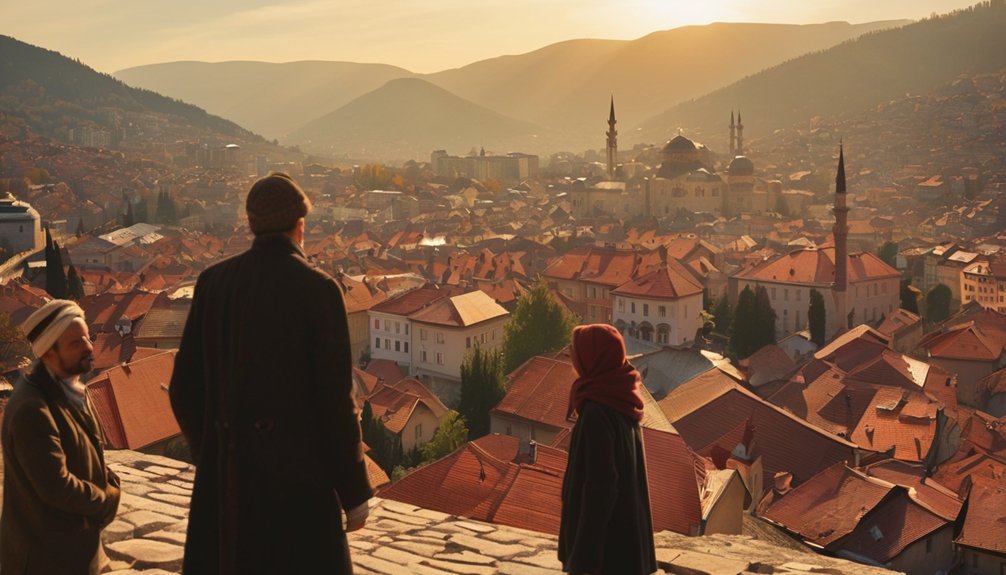
How to Get Around Bosnia – Navigating Bosnia and Herzegovina offers a blend of efficiency and local charm. Sarajevo’s public transport network, including trams and buses, serves both locals and travelers well. Tickets are affordable and routes connect major attractions, making it easy to explore the city without hassle.
For journeys beyond Sarajevo, intercity buses reach most towns and villages. These services are reliable, and timetables are widely available online and at stations. Traveling by bus is also a great way to see the country’s scenic landscapes and meet locals.
Renting a car provides unmatched freedom for those wanting to discover Bosnia’s rural gems. The roads wind past rivers, forests, and traditional villages, offering spectacular views. Keep cash handy for fuel and occasional tolls, since card payments are not always accepted in remote areas.
Private transfers cater to travelers seeking extra comfort or direct routes between destinations. This option is popular for airport transfers or trips to harder-to-reach attractions, and can save you time if your schedule is tight.
Each mode of transportation in Bosnia has its strengths. By choosing the right one for your itinerary, you’ll enjoy both convenience and a deeper connection with the country’s culture and landscapes.
Overview of Transportation Options in Bosnia
Choosing the right way to get around Bosnia can shape your entire travel experience. The country’s transportation network offers several options, each with distinct advantages. Public buses serve as the backbone for travel between major towns and cities. While affordable, they may run behind schedule and routes can be limited, especially in remote areas.
Travelers who value independence often rent cars. This option lets you explore the scenic countryside and lesser-known villages at your own pace. However, be prepared for occasional confusing road signs and winding mountain routes. Navigation apps can help overcome these challenges.
Organized tours, including Bosnia tours and private guides, appeal to those seeking a seamless journey. With a knowledgeable guide, you gain local insights and access to sites off the typical tourist path. For instance, a guided trip through the Dinaric Alps unveils panoramic views and cultural stories that are easy to miss on your own.
Consider your itinerary, comfort level, and preferred travel pace when selecting transportation in Bosnia. Whether you opt for public transit, a rental car, or a guided tour, each choice offers a unique perspective on Bosnia’s rich landscapes and vibrant culture.
Getting Around Bosnia’s Cities: Urban Transport Explained

Bosnia’s cities offer diverse and efficient urban transport options, making navigation straightforward for residents and visitors. In Sarajevo, trams glide through the historic center, connecting major districts and landmarks. These trams, a symbol of the city’s heritage, provide a reliable way to reach cultural sites and local markets.
Buses complement tram routes and extend service to suburbs and residential areas. You can purchase tickets at kiosks or directly from bus and tram drivers. Always validate your ticket when you board, as inspectors check regularly.
In other urban centers like Banja Luka and Mostar, city buses are the primary public transport. Routes are clearly marked, and schedules are available online, though it’s wise to verify times during weekends and holidays.
Taxis are widely available in all major cities. They offer a convenient solution for late-night travel or areas less accessible by public transit. Fares are generally affordable, but it’s advisable to confirm the rate before starting your journey.
Urban transport in Bosnia is practical and budget-friendly. With a little advance planning and attention to timetables, you can move between city attractions with ease and confidence.
Whether you’re commuting for work or exploring as a tourist, Bosnia’s public transit supports a seamless city experience.
How to Get Around Bosnia – Public Transport vs. Private Transfers: Which Is Best for You?
Deciding between public transport and private transfers in Bosnia depends on your travel style and priorities. Local buses offer an affordable, authentic glimpse into daily Bosnian life. Travelers who prefer engagement with locals and cultural immersion will appreciate the chance encounters and spontaneous discoveries that public transport can provide.
However, bus schedules may be irregular, especially outside major cities, and journeys often take longer due to multiple stops.
On the other hand, private transfers deliver a level of comfort, privacy, and convenience that public transport can’t match. With a chauffeur-driven vehicle, you can travel directly between destinations on your own timetable. This option is ideal for those who value efficient travel, need flexibility, or plan to visit less accessible areas.
Private transfers also suit families, groups, or travelers carrying extra luggage.
Consider your specific needs: do you want to experience Bosnia’s local flavor or prioritize speed and ease? If you have limited time or seek a stress-free journey, a private transfer may be the best solution.
For budget-conscious visitors drawn to authentic experiences, public buses remain a rewarding choice. Your decision should reflect your preferences, schedule, and desired level of comfort.
Bosnia’s Top Scenic Drives and Remote Destinations
Exploring Bosnia by car reveals a landscape shaped by mountains, rivers, and centuries-old villages. Departing from Sarajevo, the road to Mostar is a visual feast. Turquoise rivers wind through steep canyons, and every curve uncovers stone bridges or hidden cafés offering strong Bosnian coffee and panoramic views.
South of Mostar, the route leads to Blagaj, where a serene monastery stands beside a crystal-clear spring. The atmosphere is peaceful, ideal for a quiet pause before continuing your journey.
Northward, forested roads take you to Jajce, famed for its dramatic waterfalls and medieval charm.
If you venture near Sutjeska National Park, the scenery shifts to wildflower-lined roads and untouched wilderness. These less-traveled routes offer tranquility and a sense of discovery, making each stop memorable. However, fuel stations are limited outside urban areas, so always fill your tank before heading into remote regions.
For those seeking a stress-free experience, private chauffeured services let you enjoy the vistas without navigating winding mountain roads yourself.
Bosnia’s scenic drives reward travelers with natural beauty, historic sites, and authentic encounters far from tourist crowds. Plan ahead, and each journey becomes an adventure through some of Europe’s most captivating landscapes.
Essential Travel Tips for Getting Around Bosnia
Navigating Bosnia’s scenic roads offers a rewarding experience, but it’s essential to prepare for local conditions. Drivers should remain alert—unexpected obstacles like livestock or sharp curves are common, especially in rural regions.
Major city centers, such as Sarajevo and Mostar, feature narrow streets and occasional cobblestone sections, requiring extra caution.
Weather can change rapidly in Bosnia, sometimes affecting road quality and visibility. Always check current traffic updates before departing. Carry cash for fuel stations and highway tolls, as card payments aren’t accepted everywhere, particularly in remote areas.
Headlights must be on at all times while driving, regardless of the hour. Road signs may appear in both Latin and Cyrillic scripts, so familiarize yourself with basic signage before your trip.
If you prefer a stress-free journey, consider hiring a local driver. Their knowledge of shortcuts and less-traveled routes can save time and help you discover hidden attractions.
Adapting to Bosnia’s driving environment ensures a smoother trip. With some planning and local insight, travelers can enjoy the country’s diverse landscapes and rich heritage with confidence.