
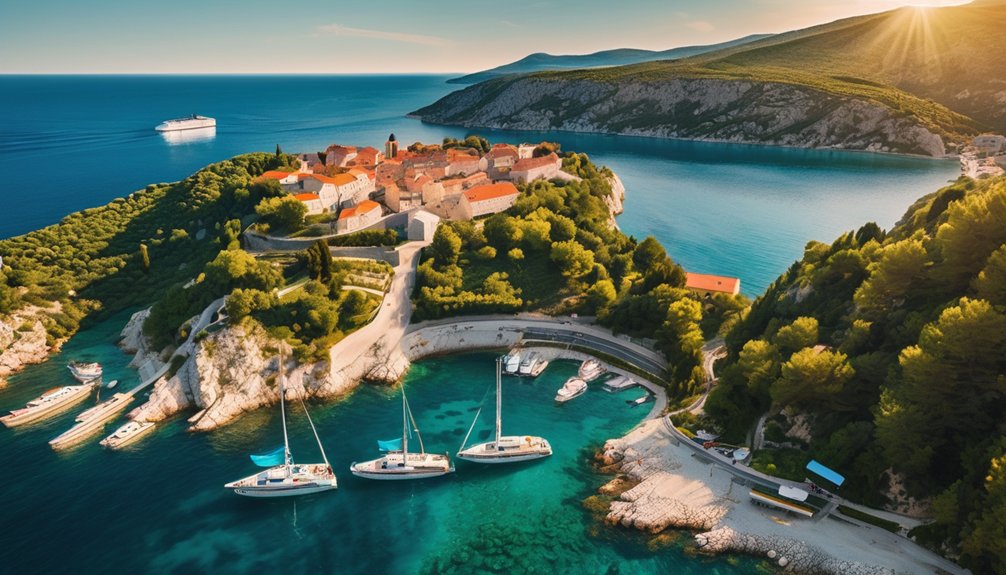
How to Get Around Croatia – Exploring Croatia is straightforward, thanks to its well-developed transportation network. For travel between major cities such as Zagreb, Split, and Dubrovnik, reliable buses offer frequent service and comfortable journeys. Inland train routes provide a scenic alternative, connecting regional hubs and offering glimpses of Croatia’s countryside.
Ferries are essential for reaching the country’s renowned Adriatic islands, including Hvar, Brač, and Korčula. These ferries operate regularly, allowing travelers to experience island life and unique coastal landscapes.
Renting a car is ideal if you value flexibility. With your own vehicle, you can discover secluded beaches, national parks, and lesser-known villages far from crowded tourist spots. This option suits those seeking independence and spontaneous exploration.
For added convenience, especially for groups or families, hiring a private driver ensures stress-free transfers and local insights. This service allows you to enjoy your trip without navigating unfamiliar roads or schedules.
Combining various transportation options can enrich your Croatian journey. Choose buses or trains for efficient city-to-city travel, ferries for island hopping, and car rentals for exploring remote areas. Each mode offers a unique perspective on the country.
Plan your routes carefully and book tickets in advance during peak season. With the right mix, getting around Croatia becomes an integral part of your adventure.
How to Choose the Best Transportation in Croatia
Exploring Croatia’s breathtaking coastlines and lively cities requires the right transportation choice for your travel style. Before planning, consider your priorities: flexibility, comfort, and the desire to uncover authentic experiences.
Private drivers or personalized Croatia tours offer unmatched convenience, letting you set your pace and access secluded spots beyond the main tourist trails. This can be ideal for travelers who value privacy and a tailored itinerary.
Public transportation in Croatia has seen notable improvements and now connects most major cities and scenic regions. Buses remain reliable for city-to-city travel, while trains service select routes, particularly in the north.
Renting a car grants freedom to discover rural villages and stunning national parks at your leisure, but be mindful of parking and local driving regulations.
As you plan how to get around Croatia in 2026, compare routes, travel times, and your desired level of independence. For spontaneous exploration, car rentals or private tours offer the most freedom.
If you prefer a structured journey, opt for buses or organized excursions. By matching your trip goals to transportation options, you’ll ensure a rewarding and seamless Croatian adventure.
Public Transport: Train, Bus, and Ferry Options
Exploring Croatia without a car is practical and enjoyable, thanks to the country’s efficient public transport. Buses connect major destinations such as Zagreb, Split, Zadar, and Dubrovnik with frequent and comfortable service. This network makes it easy to plan day trips or travel between cities, offering scenic routes along the way.
Train travel in Croatia is best suited for journeys between inland cities. Routes from Zagreb to locations like Osijek are comfortable and straightforward. However, trains to the coast are less frequent and slower than buses, so plan accordingly if you prefer rail travel.
Ferries play a vital role in reaching Croatia’s renowned Adriatic islands. Operators like Jadrolinija link coastal cities—Split, Rijeka, and Dubrovnik—to islands such as Hvar and Korčula.
Booking ferry tickets in advance, especially during the busy summer months, ensures a smooth trip. Always check updated schedules, as ferry and bus services may change seasonally.
Travelers can confidently explore Croatia’s highlights by combining these public transport options. The system’s reliability and coverage allow visitors to experience both vibrant cities and stunning islands, all without needing a car.
How to Get Around Croatia – Car Rental for Flexible Croatian Road Trips
Exploring Croatia by car offers unparalleled flexibility and convenience for travelers seeking authentic experiences. Renting a car grants you the freedom to discover Croatia’s coastal roads, medieval towns, and secluded beaches at your own pace. Drive from Dubrovnik’s ancient walls to Rovinj’s colorful harbor, stopping whenever a hidden viewpoint or charming village catches your eye.
Unlike rigid tour schedules, self-driving allows you to plan each day to suit your interests. Enjoy spontaneous detours to Istria’s vineyards, pause for a seaside lunch, or capture the Adriatic sunset from a scenic overlook.
Croatian roads are well maintained, making navigation straightforward, though coastal routes may get busy in peak summer months. Allocate extra travel time to avoid stress during high season.
Before setting off, ensure you meet all requirements, such as holding a valid International Driving Permit if needed. Familiarize yourself with local parking regulations to avoid fines in popular destinations.
Renting a car in Croatia transforms your trip, letting you uncover both iconic sights and lesser-known treasures with ease. Experience the country’s diverse landscapes and rich culture at your own rhythm, creating memories beyond the guidebook.
When to Book Private Chauffeur or Transfer Services
When you arrive after a long international flight, a professional driver ensures a smooth transition from airport to destination, avoiding the stress of waiting for taxis or navigating unfamiliar roads.
Families and groups benefit from the convenience of direct, door-to-door service, especially when reaching remote coastal towns where public transport options are limited.
Business travelers value the reliability and efficiency that private transfers provide, allowing them to focus on work or relaxation instead of traffic and logistics.
Late-night arrivals, special events, and important meetings are also ideal occasions to reserve a chauffeur, ensuring timely and stress-free journeys.
In Croatia’s bustling summer months, pre-booking your transfer eliminates worries about parking or crowded transit.
Choosing a private chauffeur service transforms ordinary travel into a tailored experience, allowing you to fully enjoy Croatia’s unique landscapes and culture.
For those who prioritize ease, safety, and time savings, private transfers are a practical solution that elevates every journey.
Which Travel Option Is Right for Your Itinerary?
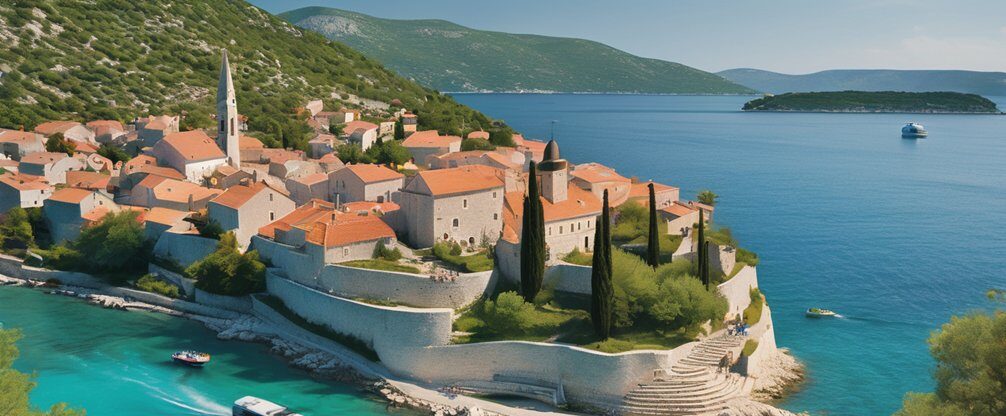
Deciding on the best travel option for your Croatia itinerary depends on your priorities, route, and travel style.
If you want complete flexibility, hiring a private chauffeur lets you customize your journey, pause in charming villages, and travel on your schedule. This option works well for families or groups with specific interests.
Travelers seeking cultural immersion and convenience often choose guided tours. Local guides provide insights you might miss on your own, and you avoid the stress of navigation.
For moving between major cities, reliable trains and buses offer budget-friendly, efficient connections, though they provide less freedom to explore off the beaten path.
Exploring Croatia’s islands? Ferries are essential along the Dalmatian coastline, linking Split, Dubrovnik, and island gems like Hvar or Korčula.
Carefully consider your group size, amount of luggage, and privacy needs when selecting transport.
Mixing travel modes can maximize your experience. Start your adventure with a scenic train ride, then enjoy a ferry crossing to an island, finishing with a private transfer for added comfort.
Adapting your choices to your interests and destinations ensures a smooth, enriching journey through Croatia’s diverse landscapes.
Frequently Asked Questions
Is It Easy to Travel Between Croatian Islands Year-Round?
Traveling between Croatian islands year-round can be a rewarding experience, but it requires careful planning, especially outside the peak summer season. During the off-season, ferry connections often run on reduced schedules, making spontaneous island hopping more difficult. Weather conditions, particularly strong winds or storms, can also disrupt ferry and catamaran services, leading to last-minute cancellations or delays.
To ensure a smooth journey, always check the latest ferry timetables and weather forecasts before you travel. Many routes between popular islands such as Hvar, Brač, and Korčula operate less frequently from late autumn to early spring. Booking tickets in advance and allowing extra time for possible disruptions can help avoid unnecessary stress.
If you need greater flexibility or wish to reach less accessible islands, private boat transfers are available, though they come at a higher cost. These options are particularly useful for travelers with tight schedules or those visiting remote destinations.
Are There Mobile Apps for Planning Travel Within Croatia?
Exploring Croatia is easier than ever thanks to a range of reliable travel apps tailored to local transportation. Whether you’re planning to visit bustling cities or remote coastal towns, several mobile applications can simplify every step of your journey.
Travelers benefit from features like real-time notifications, route planning, and easy access to local transport options. With these tools, navigating Croatia becomes straightforward and stress-free. Downloading the right app before your trip can save time and prevent travel hiccups, allowing you to focus on enjoying Croatia’s stunning landscapes and vibrant culture.
What’s the Best Way to Reach Croatia’s National Parks?
Visiting Croatia’s national parks promises unforgettable scenery, but how you get there shapes your entire experience. For travelers who value comfort, flexibility, and efficiency, private transfers or chauffeur-driven tours stand out as the optimal choice. Unlike crowded buses or rigid group schedules, private transport lets you set your own pace and stop whenever inspiration strikes—whether to capture a panoramic view or relax at a quiet lakeside.
Private transfers offer direct routes to destinations such as Plitvice Lakes, Krka, and Paklenica, bypassing unnecessary detours and long waits. You travel in a spacious, well-maintained vehicle, enjoying air conditioning and personalized service. This approach is especially beneficial for families, groups, or those seeking a relaxed, hassle-free journey.
Chauffeur-driven tours add another layer of value, pairing experienced local drivers with deep knowledge of the region. They can suggest hidden viewpoints or recommend the best times to visit popular sites, enhancing your overall adventure.
If you want to maximize your time and truly immerse yourself in Croatia’s natural wonders, choosing a private transfer or chauffeur-driven tour is the smartest way to reach the country’s renowned national parks.
Do Major Croatian Cities Have Uber or Ride-Sharing Services?
However, it’s important to note that demand spikes during the summer tourist season. This can lead to higher prices and longer wait times, especially in popular areas. Planning ahead and booking rides in advance during peak periods can help avoid delays.
Ride-sharing services in Croatia offer convenience, safety, and clear pricing, making them a practical choice for both short journeys and airport transfers. For travelers seeking reliable transportation, ride-sharing apps are widely used and accepted in Croatia’s largest cities. With a smartphone and an internet connection, exploring Croatian urban centers becomes smooth and stress-free.
Are Pets Allowed on Public Transportation in Croatia?
Bringing your pet along while using public transportation in Croatia is possible, but there are important guidelines to follow. Most public transport services, including buses, trains, and trams, permit small pets. However, pets must usually be secured in a carrier or kept on a short leash. Owners are responsible for ensuring their pets do not disturb other passengers.
Each operator may set its own pet policy. For example, some city buses allow only small animals in closed carriers, while trains may permit larger dogs if they wear a muzzle and are leashed. In many cases, you’ll need to purchase a separate ticket for your pet, especially on intercity routes. Always check the specific rules of the transport company before you travel to avoid surprises.
Service animals accompanying passengers with disabilities are generally allowed without restrictions. During busy travel times, staff may limit pet access for safety reasons. Remember to carry any required documentation for your pet, such as vaccination records, especially if traveling longer distances.