
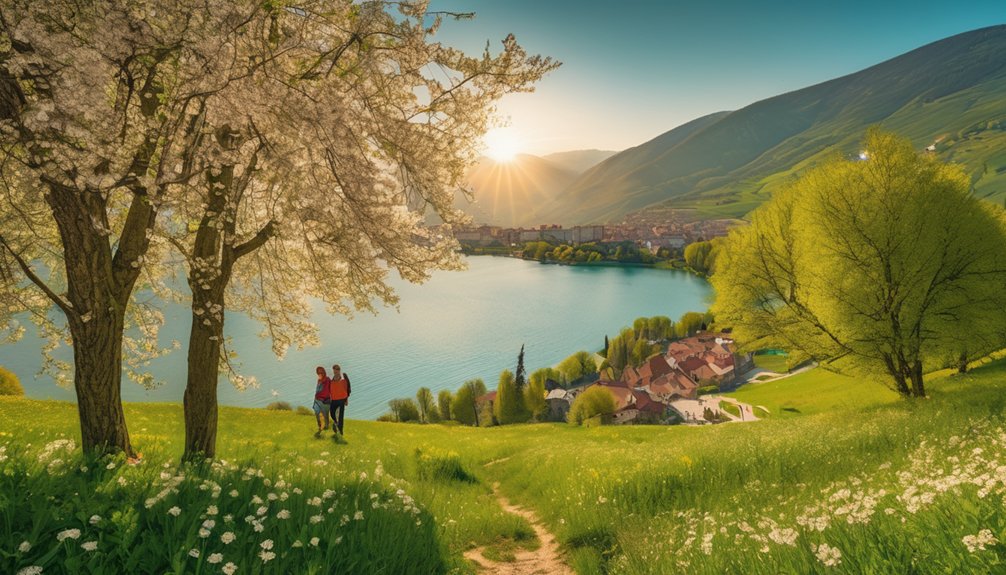
How to Plan a Balkan Trip – Planning a Balkan trip requires careful preparation to ensure a rewarding experience. The best times to visit are spring and early autumn, when the weather is mild and popular destinations are less crowded. Mix iconic spots like Dubrovnik or Belgrade with lesser-known areas such as Tara National Park to gain a deeper appreciation of the region’s diversity.
Before your journey, research each country’s visa and entry requirements, as regulations can vary significantly. Always carry some local currency, since many places do not accept cards, especially in smaller towns or rural areas. Prepare for occasional border wait times, as land crossings are common in the Balkans.
Decide whether you prefer the freedom of self-guided travel or the convenience of a private tour. Both offer unique advantages, depending on your interests and comfort level. Pack versatile clothing suitable for unpredictable weather, and respect local customs to foster positive interactions.
With thoughtful planning and awareness of regional differences, your Balkan adventure can be both smooth and memorable. Follow these essential tips to make the most of your trip and discover the true charm of the Balkans.
When to Visit the Balkans: Finding the Best Season
Timing your visit is crucial when planning a Balkan adventure. The best months to visit the Balkans are spring (April–June) and early autumn (September–October). During these periods, the region offers pleasant temperatures, fewer tourists, and lush scenery—ideal for travelers researching how to plan a Balkan trip or specifically how to plan a Balkan trip in 2026.
Summer delivers vibrant festivals and energetic coastal towns, particularly along the Adriatic, but also sees higher prices and crowded attractions.
Winter transforms the Balkans, offering excellent skiing in destinations like Kopaonik, as well as a quieter pace in most cities. If you prefer fewer crowds and lower accommodation rates, consider traveling outside peak summer months.
Check local holidays and major events in advance to avoid disruptions in transportation and lodging availability.
Align your travel dates with your interests—whether it’s outdoor exploration, cultural festivals, or winter sports—to create an itinerary that fits your goals. Careful timing ensures a smoother journey and enhances your experience in this diverse region.
How to Plan a Balkan Trip – Top Balkan Routes and Must-See Destinations
Exploring the Balkans offers a unique blend of history, culture, and natural beauty. Planning your route carefully ensures you experience the region’s highlights and hidden treasures. A popular journey connects Belgrade, Sarajevo, and Dubrovnik, where vibrant city life, UNESCO World Heritage sites, and breathtaking Adriatic views await.
This route blends urban energy with centuries-old landmarks and coastal charm.
For those seeking nature, start in Ljubljana and visit Slovenia’s iconic lakes before heading to Croatia’s Plitvice Lakes National Park. Continue to the Dalmatian coast for pristine beaches and historic towns.
Montenegro’s Bay of Kotor, with its dramatic mountain backdrop, is a must-see. Bosnia and Herzegovina’s Ottoman-era bridges and Mostar’s Old Town offer a glimpse into the region’s multicultural heritage.
To experience authentic Balkan life, add lesser-known destinations like Serbia’s Tara National Park. Here, tranquil forests and wildlife provide a peaceful retreat.
When planning your trip, balance famous sites with off-the-beaten-path stops for a richer journey. Use careful planning to navigate the Balkans efficiently.
Prioritize a mix of major attractions and genuine local experiences. This approach ensures a memorable and rewarding Balkan adventure, whether you’re a history enthusiast or a nature lover.
Visa, Borders, and Currency: What Travelers Should Know
Traveling through the Western Balkans requires careful planning for visas, borders, and currency changes.
Begin by researching visa requirements for each destination. Serbia, Croatia, Slovenia, Bosnia and Herzegovina, and Montenegro each set their own entry rules. Non-EU passport holders should verify visa policies before booking tickets. Most Western nationals can enter without a visa, but regulations change, so check government sources for updates.
Border crossings are common and can be slow during busy periods. Always keep your passport ready, and be prepared for extra checks at certain crossings. It’s wise to have printed or digital copies of travel documents handy.
Currency varies widely in this region. Slovenia uses the euro, while the others each have their own currencies. Multi-currency cards and ATMs are available in cities, but rural areas often require local cash.
Exchange small amounts in advance to avoid inconvenience.
Thorough preparation for visas, border checks, and money needs will help ensure seamless travel. With these essentials managed, you can fully enjoy the unique culture, landscapes, and history the Western Balkans offer.
How to Plan a Balkan Trip – Choosing Your Balkan Travel Style: Self-Guided or Private Tour
Exploring the Western Balkans offers a choice between independence and guided expertise. Determining your ideal travel style—self-guided or private tour—can transform your trip’s success.
Independent travelers enjoy total flexibility. You control your itinerary, linger at hidden gems, and adapt as you go. However, this freedom requires thorough planning. You must research border requirements, transport schedules, and local customs. Navigating unfamiliar regions can be rewarding but demands confidence and preparation.
In contrast, private tours through reputable operators streamline your journey. Experienced guides manage logistics, border crossings, and language barriers. This approach maximizes your time and removes stress. You gain insider access to key sites, authentic experiences, and unique cultural insights.
Private tours are ideal if you value convenience and want to explore without logistical concerns.
When deciding, weigh your comfort with planning against your desire for expert guidance. Consider how much time you have, your travel experience, and your curiosity for local culture.
Both travel styles offer rewarding experiences in the Western Balkans. Choose the option that matches your priorities, ensuring you make the most of every moment on your journey.
Packing Tips for Balkan Weather and Local Experiences
Exploring the Western Balkans means encountering diverse weather and rich local traditions. To make the most of your trip, thoughtful packing is essential. The region’s climate shifts quickly—from sun-soaked Adriatic coasts to cool mountain air—so versatile clothing is key. Lightweight shirts, a warm fleece or sweater, and a waterproof jacket allow you to stay comfortable through sudden changes.
Durable walking shoes are a must for cobblestone streets and rugged trails. In summer, breathable fabrics and sun protection help you beat the heat, but evenings, especially by the water, can bring a chill.
Bring a swimsuit for lakes and seaside adventures, and pack a scarf or shawl to respect dress codes at religious sites.
Spring and autumn often bring showers, making a compact umbrella or rain poncho useful. Leave space in your luggage for unique local items; Balkan markets and artisan shops offer treasures you’ll want to bring home.