
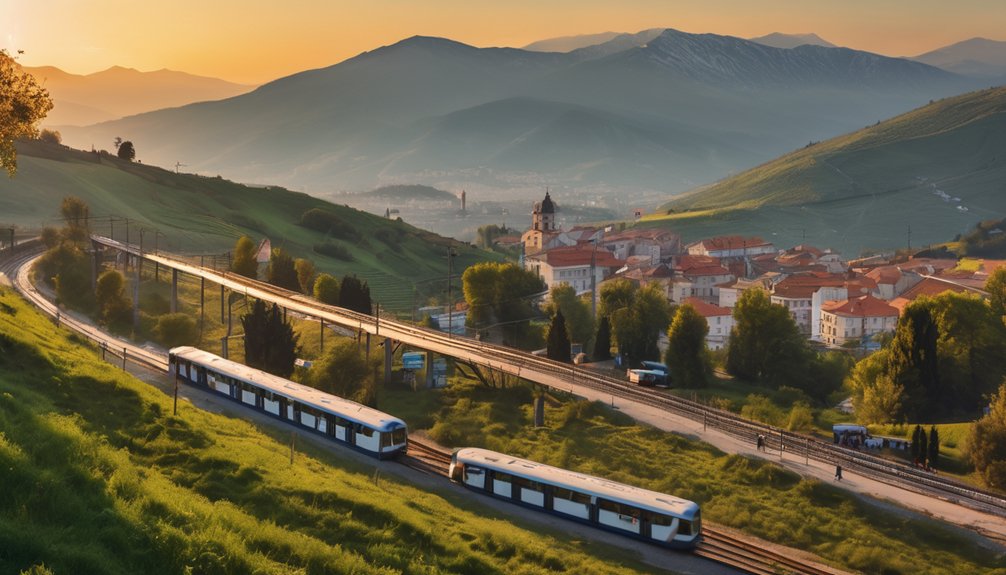
How to Travel Between Balkan Countries – Traveling between Balkan countries offers diverse options tailored to every traveler’s needs. Driving provides unmatched flexibility, allowing you to explore hidden villages and scenic routes at your own pace. However, you’ll need to monitor border regulations, keep your passport accessible, and check visa requirements before setting out.
Public transportation in the Balkans is reliable and authentic. Buses connect major cities and smaller towns, often at budget-friendly rates. Trains can be slower but offer scenic journeys, especially across mountainous regions. For extra comfort or convenience, private transfers are available and can save time between popular destinations.
When planning, research your chosen route and consider travel times, as mountainous terrain and border checks may add delays. Booking tickets in advance is wise during peak seasons. If you seek a more immersive experience, choose public transport for local flavor; if you value efficiency, opt for a private vehicle or transfer.
Country-hopping in the Balkans is rewarding with the right preparation. By following local regulations and planning ahead, you can enjoy effortless travel—whether you’re exploring the Adriatic coast or vibrant inland cities.
How Should You Travel Between Balkan Countries?
Exploring the Balkans offers a unique blend of history, culture, and breathtaking scenery. When deciding how to travel between Balkan countries, your chosen mode of transportation shapes your experience.
Driving remains the most flexible option, letting you explore remote villages at your own pace and adjust your route as you go. Make sure to bring all necessary documents, as border crossings often require passports and, sometimes, additional paperwork.
Rail travel connects some major Balkan cities and provides a scenic, relaxed journey, ideal for those who wish to enjoy the landscape without the stress of driving. However, train networks are limited, so check schedules and routes in advance.
Buses operate frequently between many cities, offering an affordable and reliable way to cross borders for budget-conscious travelers.
For ultimate comfort and convenience, private transfers and chauffeured services can save time and effort, especially if you prefer a personalized itinerary. Guided Balkan tours are also popular, connecting key sites with expert-led insight and seamless logistics.
Evaluate your priorities—whether it’s freedom, efficiency, or immersive discovery—before choosing how to travel between Balkan countries. Each method delivers a distinct experience, ensuring that your journey through the region is as rewarding as the destinations themselves.
Essential Border Crossing and Travel Document Advice

Traveling across the Balkans in 2026 demands careful preparation to ensure a seamless journey through diverse countries. Even within the Western Balkans, border controls are standard, so always keep your passport or national ID card accessible.
Entry requirements can differ between nations like Serbia, Croatia, Slovenia, Bosnia and Herzegovina, and Montenegro, making it vital to confirm visa policies before departure.
Regularly check official government resources for updates on entry rules, as regulations may change with little notice. If you’re driving, expect occasional inspections of your vehicle registration, insurance, or rental documents at crossings. Carry originals of these documents to avoid unnecessary delays.
Border wait times vary, especially during peak travel seasons. Patience and preparedness help streamline your experience, allowing you to focus on the cultural richness and scenic beauty the Balkans offer.
When possible, research quieter border posts to reduce your wait and maximize time spent exploring.
How to Travel Between Balkan Countries – Private Tours or Public Transport: What’s Right for You?
When planning a trip through the Western Balkans, the choice between private tours and public transport shapes your experience. Public transport—buses and trains—offers budget-friendly access to Serbia, Croatia, Montenegro, Bosnia and Herzegovina, and Slovenia.
Travelers who choose this route enjoy flexible schedules and a chance to engage with local communities. Riding alongside residents provides unique insights into daily life and culture across the region.
However, public transport can be unpredictable. Delays and infrequent connections sometimes disrupt even the best-laid plans. If your itinerary is tight or you want to reach remote destinations without stress, private tours present a compelling alternative.
Private tours in the Balkans combine comfort and convenience. Chauffeur-driven vehicles and knowledgeable guides ensure you travel efficiently between sights.
This option allows for custom stops, whether you want to linger at a UNESCO site or discover a secluded viewpoint. Personalized itineraries mean you see more in less time, making private tours ideal for travelers prioritizing comfort and efficiency.
Decide based on your preferences: choose public transport for flexibility and local flavor, or opt for a private tour for tailored comfort and seamless travel.
Both options reveal the rich diversity of the Western Balkans—your choice depends on how you want to explore.
Top Balkan Routes and Cross-Border Destinations
Exploring the Western Balkans by land offers a rich tapestry of cross-border experiences. This region’s top routes link dynamic cities to stunning natural wonders, making it ideal for travelers seeking both culture and landscapes.
A favored journey starts in Belgrade, Serbia, where vibrant nightlife meets historical landmarks. From there, you can travel to Sarajevo, Bosnia and Herzegovina, renowned for its Ottoman heritage and multicultural atmosphere. Continuing southwest, Dubrovnik invites visitors with its iconic Adriatic coastline and medieval walls.
Another prime route begins in Ljubljana, Slovenia, celebrated for its green spaces and alpine views. Travelers often head to Zagreb, Croatia, where bustling markets and lively squares reveal the city’s energetic spirit.
Extending south, Montenegro’s mountain scenery and seaside villages offer a dramatic contrast, highlighting how each country’s character blends across borders.
These cross-border Balkan routes showcase how tradition, architecture, and cuisine flow seamlessly between nations. Whether you’re drawn to UNESCO-listed towns, serene lakes, or historic fortresses, the Western Balkans promises journeys full of discovery and authentic connection.
Smart Planning Tips for Seamless Balkan Country-Hopping
Planning a Balkan country-hopping adventure rewards travelers with rich experiences, but careful preparation is essential for seamless travel. Begin by checking visa requirements for each country, as rules can differ between destinations like Serbia, Croatia, and Montenegro.
Research direct transport routes connecting major cities, such as Belgrade to Sarajevo or Dubrovnik to Kotor, to save time and maximize your trip.
Flexibility is key—unexpected discoveries and occasional border delays are common in the Balkans. Build extra time into your itinerary to accommodate these moments without stress.
Traveling light is smart, as smaller border crossings and winding mountain roads are frequent in this region.
Consider private chauffeur services for added convenience, flexibility, and a more relaxed pace. These services let you explore less-visited areas without the hassle of public transport schedules.
Additionally, familiarize yourself with local currencies, as the euro, dinar are used in different countries.
Understanding regional transport options, from buses to trains and taxis, ensures you can adapt as needed. Smart planning ensures stress-free transitions between countries and unlocks the full potential of your Balkan journey.
With thoughtful preparation, you can focus on enjoying the landscapes, cultures, and cuisines unique to every stop along your route.