

Is Balkan Travel Safe – Exploring the Western Balkans offers a rewarding experience, with most trips passing without incident. The region’s crime rates are similar to much of Europe, making it generally safe for travelers. However, awareness and preparation remain crucial for a smooth journey.
Stay alert in busy city areas and on public transportation, where pickpocketing can occur. Always keep your valuables secure and avoid displaying large amounts of cash or expensive items. Police checks are common in some countries, so carry your passport or a valid ID at all times.
Respect local laws to avoid serious penalties. Possession of drugs and public drinking can lead to strict consequences, even for minor offenses. When using taxis, choose only licensed services to prevent scams, and exercise extra caution in nightlife districts, especially after dark.
Healthcare and emergency services are available, but knowing key emergency numbers in advance is wise. Research your destinations for any region-specific advisories or cultural expectations. Following these practical guidelines will help ensure your trip through the Balkans remains enjoyable and trouble-free.
Is It Safe to Travel in the Balkans Right Now?
Travel safety in the Balkans is a top concern for many visitors. Overall, the Western Balkans—Serbia, Croatia, Slovenia, Bosnia and Herzegovina, and Montenegro—are regarded as safe for tourists. Crime rates in these countries remain on par with many other European destinations, and political conditions have stabilized considerably over recent years.
Vigilance is still recommended, as you’d in any international destination. Stay alert in crowded areas, safeguard personal belongings, and follow local advice. Understanding and respecting cultural norms will help you avoid misunderstandings and connect better with locals.
Reliable public transportation and established tour operators, such as Balkan Tours, can add an extra layer of security and convenience. These options often provide local insight and help you navigate the region confidently.
Travelers have reported mostly trouble-free experiences throughout the Balkans, enjoying the region’s rich culture and natural beauty. For those planning trips in the near future or considering travel in 2026, the outlook for Balkan safety remains positive.
Always check for the latest travel advisories before your trip.
Is Balkan Travel Safe – Major Safety Risks for Balkan Visitors
Traveling in the Western Balkans is generally safe, but understanding specific risks is vital for a smooth journey. The most common concern for visitors is petty theft, particularly pickpocketing in busy spots such as city centers, markets, and public transit in Belgrade, Zagreb, and Sarajevo. Remain alert, especially in crowded areas, and keep your belongings secure.
Another notable risk is road safety. Driving conditions can vary significantly across the region. In rural or mountainous zones, you may encounter narrow, poorly marked roads and unpredictable driving habits from other motorists. These factors increase the chance of traffic accidents, so exercise caution and avoid driving after dark when possible.
Mobile coverage can be limited in remote areas, making navigation and emergency contact challenging. It’s wise to download offline maps and let someone know your route if you travel off-grid.
While violent crime is rare, nightlife districts demand heightened awareness, especially late at night. Stick to well-lit, populated areas and avoid isolated streets.
To ensure your Balkan travel experience remains safe, remain vigilant, choose reputable accommodation and transport providers, and secure your valuables. By staying informed and cautious, you can fully enjoy the region’s rich culture and scenic beauty without unnecessary risk.
Understanding Local Laws That Affect Traveler Safety
Traveling in the Western Balkans offers a rich experience, but understanding local laws is crucial for safety and peace of mind. Each country in this region expects visitors to carry valid identification at all times—police checks are common, and failing to present ID can lead to problems.
Stringent drug laws mean even minor possession can result in severe penalties, so never risk carrying illegal substances.
Respect for local customs is equally important. Avoid making offensive gestures or disrespecting religious sites and national symbols. Such behavior can attract unwanted attention or legal trouble.
Alcohol laws differ across borders; in some cities, drinking in public is banned, while others are more relaxed. Always check local rules before consuming alcohol outdoors.
Traffic regulations are enforced strictly. Speed limits, seat belt use, and pedestrian rules are closely monitored by authorities. Ignoring these can result in hefty fines or more serious consequences.
Safety Tips for Cities and Countryside in the Balkans
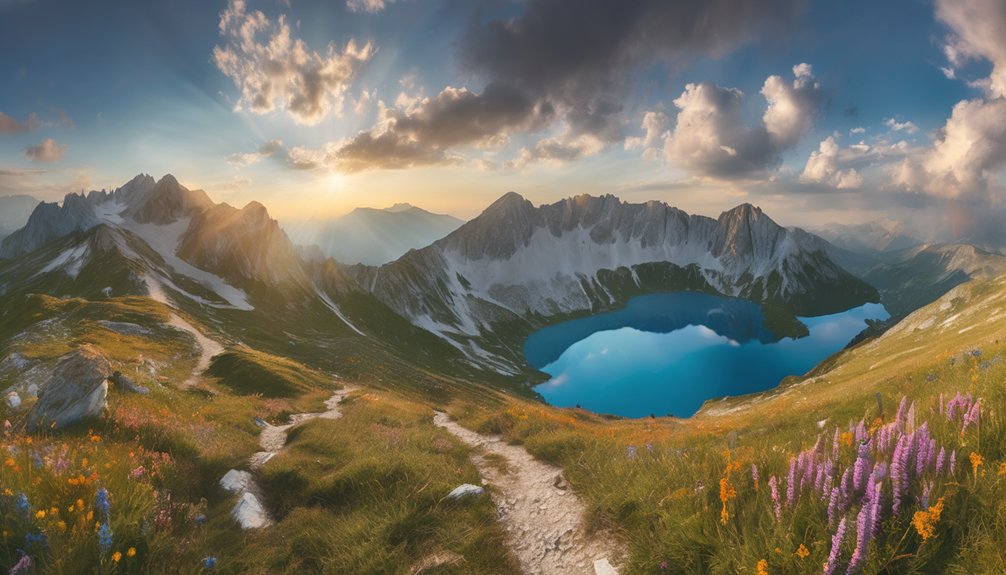
Exploring the Balkans offers a unique blend of bustling cities and peaceful countryside, but safety should remain a priority throughout your journey. In urban areas, remain vigilant in busy spots like markets and public transport hubs, as pickpocketing can occur.
Opt for regulated taxis or ride-share services, and avoid walking alone in poorly lit or unfamiliar neighborhoods after sunset.
When venturing into rural regions, stick to well-marked trails and be aware that some areas may have spotty mobile coverage. Check local guidance on weather and wildlife before setting out, as sudden changes can impact your plans.
Carry a fully charged phone and inform someone about your route, especially in less populated zones.
Respect local customs by observing dress codes and following community advice. Ask locals or your driver about current conditions to avoid potential hazards.
Preparation and awareness will help you confidently experience both the lively city scenes and the serene landscapes of the Western Balkans, ensuring your travels remain safe and enjoyable.
Is Balkan Travel Safe – What to Do in an Emergency While Traveling
Staying prepared for emergencies is essential when traveling in the Balkans. Understanding how to act quickly and responsibly can make a significant difference if the unexpected happens.
Always keep your passport, travel insurance details, and important contacts within easy reach; this minimizes stress and speeds up response times in urgent situations.
If you’re traveling with Balkan Tours, inform your chauffeur or guide right away. Their local expertise and emergency training enable them to coordinate swiftly with authorities and offer reliable support.
Stay calm and speak clearly to ensure your needs are understood, whether you’re dealing with an accident, illness, or theft. For lost or stolen valuables, report promptly at the nearest police station to begin the recovery process.
Preparation goes beyond vigilance. Save digital and physical copies of important documents and know where the closest embassy or consulate is located.