
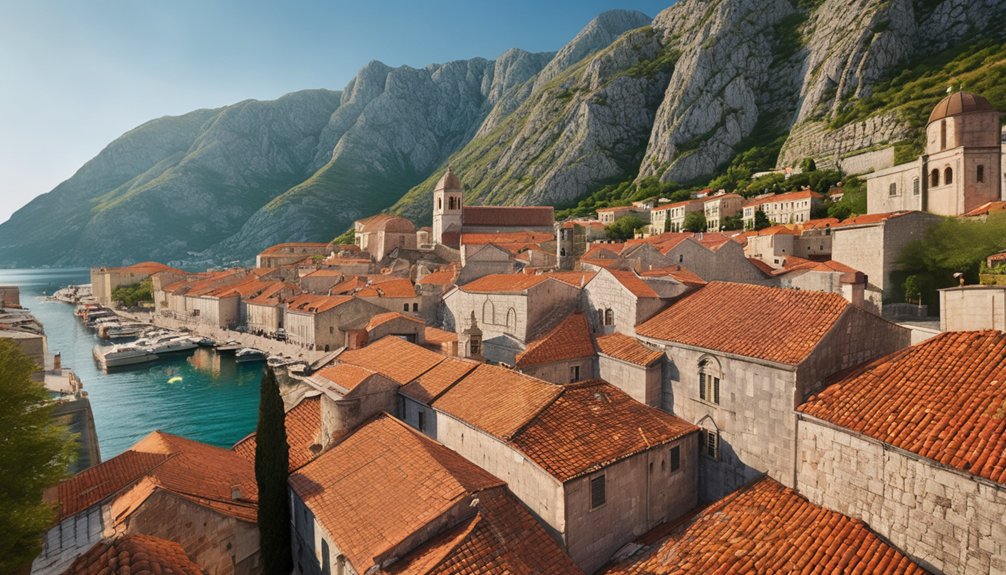
Kotor or Budva Which Is Better – Travelers to Montenegro often wonder whether Kotor or Budva will better suit their interests. Both cities offer distinct experiences, making the choice dependent on your travel style.
Kotor is renowned for its UNESCO-listed Old Town, where labyrinthine stone streets wind past centuries-old churches and Venetian architecture. The tranquil bay, framed by dramatic mountains, creates a serene atmosphere perfect for history enthusiasts and those seeking culture and relaxation. Wandering through Kotor’s medieval alleys, you’ll discover charming squares, hidden cafes, and breathtaking views from the city walls.
Budva, on the other hand, appeals to visitors drawn to vibrant coastal life. Its long stretches of golden beaches attract sunseekers, while the lively nightlife scene ensures entertainment late into the night. Modern resorts, trendy bars, and seaside promenades give Budva a dynamic energy, ideal for sociable travelers and families who value convenience, entertainment, and beach activities.
Choosing between Kotor and Budva comes down to your priorities. If you favor peaceful exploration and a deep sense of history, Kotor stands out. If you seek lively beaches, nightlife, and modern amenities, Budva is your destination. Both cities offer unique charm and unforgettable experiences—consider what excites you most to find your perfect Montenegrin escape.
Kotor vs Budva: Key Differences at a Glance
Travelers often weigh Kotor and Budva when planning a trip to Montenegro’s Adriatic coast. These two destinations offer contrasting experiences, each with its own appeal.
Kotor is renowned for its UNESCO-listed Old Town, where narrow medieval streets wind through stone walls, creating a sense of timeless tranquility. Surrounded by dramatic mountains, Kotor attracts those seeking history, scenic views, and a slower pace. Walking tours here immerse you in centuries-old architecture and breathtaking bay vistas.
Budva, in contrast, is the vibrant heart of Montenegro’s beach scene. Its lively promenade, sandy beaches, and energetic nightlife draw visitors looking for sun, entertainment, and modern comforts. Dining options, beach clubs, and festivals create a dynamic atmosphere ideal for social travelers or families who appreciate both relaxation and excitement.
Choosing between Kotor or Budva depends on your travel style. If you crave atmospheric strolls and historic ambiance, Kotor stands out. If you prefer a buzzing coastal resort with plenty of activities, Budva is the clear choice.
Both towns provide memorable Adriatic experiences, ensuring your Montenegro journey suits your personal preferences.
Kotor for Culture and History Lovers
For travelers passionate about history and culture, Kotor offers an unmatched journey through Montenegro’s heritage. The UNESCO-listed Old Town stands as a living testament to centuries of influence, from Venetian rule to medieval traditions.
As you stroll along ancient stone walls and navigate narrow, winding streets, each corner reveals a new chapter of the city’s rich past. Landmark sites such as St. Tryphon’s Cathedral and the Maritime Museum showcase both Kotor’s religious significance and maritime legacy.
Climbing to the fortress above provides not only panoramic views of the bay but also a tangible connection to the city’s strategic importance. Compared to the lively atmosphere of Budva, Kotor embraces a more serene and authentic charm.
Its preserved architecture and quiet squares immerse visitors in a unique sense of place rarely found elsewhere along the Adriatic.
If you’re weighing Kotor or Budva for your 2026 travels and prioritize cultural depth, Kotor stands out as the clear choice. Its immersive history, atmospheric streets, and genuine local character make it the ideal destination for those seeking a meaningful connection to Montenegro’s cultural roots.
Budva’s Beaches, Nightlife, and Coastal Vibe
Budva stands out along Montenegro’s Adriatic coast with its lively beaches and dynamic nightlife. The town’s shoreline offers an inviting mix of golden sands and pebbled coves, perfect for swimming, sunbathing, or trying water sports.
During the day, visitors enjoy the vibrant beach scene, with options ranging from bustling public stretches to quieter, scenic inlets.
As the sun sets, Budva transforms. The waterfront promenade comes alive with street performers and open-air cafés, drawing both locals and travelers. Bars and nightclubs energize the evenings, offering diverse music and atmospheres—from relaxed seaside terraces to high-energy dance floors.
This blend of entertainment makes Budva a top destination for those seeking more than just relaxation.
Unlike the historic calm of Kotor, Budva pulses with contemporary coastal energy. The city’s combination of natural beauty, lively social scene, and modern amenities ensures a memorable experience.
For travelers looking to enjoy Montenegro’s Adriatic coastline with an upbeat twist, Budva delivers a unique and spirited coastal escape.
Who Should Choose Kotor, and Who Should Choose Budva?
Deciding between Kotor and Budva depends on your travel preferences and desired experiences.
Kotor attracts travelers seeking historical charm and a tranquil atmosphere. Its UNESCO-listed Old Town offers winding cobblestone streets, medieval architecture, and stunning views of the bay. This destination is perfect for those who value cultural depth, romantic settings, and a slower pace.
Exploring the ancient city walls and enjoying peaceful waterfront cafes lets visitors truly absorb Montenegro’s heritage.
In contrast, Budva is ideal for those who prioritize vibrant nightlife and lively beaches. The city is famous for its golden sands, modern beach clubs, and energetic summer festivals.
Budva appeals to travelers who want to socialize, enjoy dynamic entertainment, and embrace a youthful vibe along the Adriatic coast. Its lively promenade and contemporary attractions make it a hotspot for both relaxation and adventure.
When choosing between Kotor and Budva, consider whether you seek quiet historical exploration or an upbeat coastal experience.
Both destinations offer distinctive advantages, so your ideal Montenegrin getaway depends on your personal style and priorities.
Kotor or Budva: Quick Decision Guide for Travelers
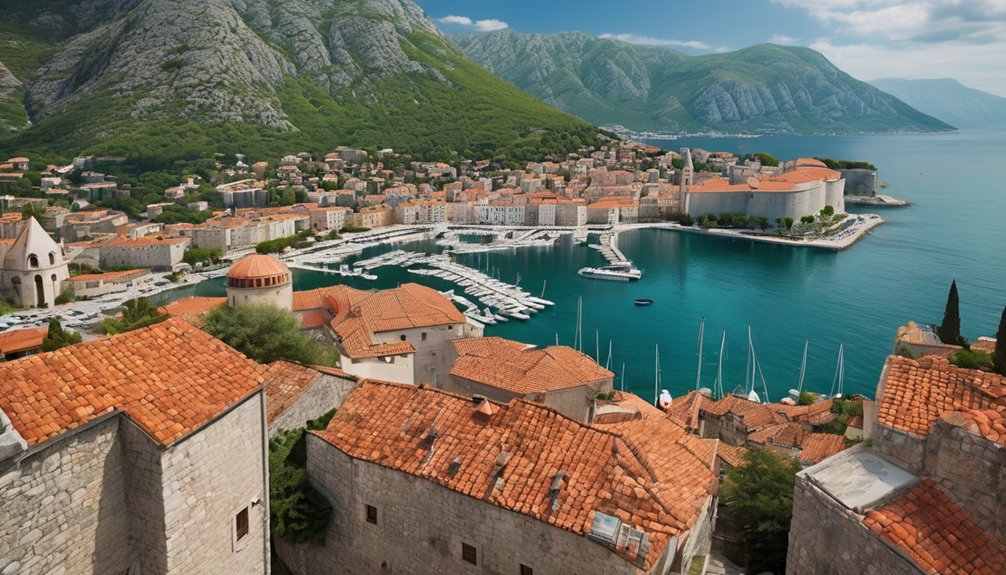
Deciding between Kotor and Budva depends on the travel experience you seek on Montenegro’s Adriatic coast. Kotor impresses visitors with its medieval old town, dramatic mountain backdrop, and serene bay. History lovers and those drawn to authentic architecture will find Kotor rewarding, especially with its UNESCO World Heritage status and labyrinthine stone streets.
The peaceful ambiance invites travelers to stroll, explore museums, and enjoy panoramic views from the fortress walls.
On the other hand, Budva appeals to those who thrive in lively environments. Its vibrant beaches, energetic nightlife, and modern promenade create a dynamic atmosphere. Budva is ideal for travelers who prioritize sunbathing, social gatherings, and an upbeat coastal scene.
The city’s wide range of cafes, beach clubs, and events keeps visitors entertained from day to night.
Consider your priorities: if you want timeless charm, rich history, and scenic tranquility, Kotor stands out. If you seek excitement, nightlife, and a bustling seaside vibe, Budva delivers.
Both destinations showcase Montenegro’s coastal beauty but offer distinctly different experiences. Choose the one that best matches your travel style for a memorable trip.
Frequently Asked Questions
How Far Is Kotor From Budva, and What’s the Best Way to Travel Between Them?
Kotor and Budva are two of Montenegro’s most popular coastal destinations, separated by approximately 23 kilometers of scenic Adriatic coastline. The journey between these towns typically takes 30 to 40 minutes by car, offering travelers stunning sea views and picturesque landscapes along the way.
For those seeking comfort and convenience, hiring a private chauffeur is widely regarded as the most enjoyable travel option. This mode of transport allows you to relax, avoid the hassle of parking, and fully appreciate the dramatic coastal scenery. Private transfers also offer flexibility with departure times and can accommodate stops for photos or sightseeing, enhancing your overall experience.
While public buses do connect Kotor and Budva, they can be less flexible and may involve waiting times, especially during the busy summer season. Taxis are available but may be less cost-effective for longer trips. Renting a car is another option, but navigating Montenegro’s winding coastal roads can be challenging for first-time visitors.
Ultimately, choosing a private car transfer provides a balance of comfort, efficiency, and the opportunity to enjoy Montenegro’s breathtaking coastline at your own pace. This makes it the preferred choice for travelers looking to make the most of their journey between Kotor and Budva.
Are Kotor and Budva Suitable for Family Vacations With Children?
Kotor and Budva are excellent destinations for family vacations with children, each offering unique attractions and a welcoming atmosphere. Kotor’s old town is a UNESCO World Heritage site, providing a safe environment where families can explore cobbled streets, ancient walls, and historic landmarks. Children can enjoy climbing the fortress or watching boats in the scenic bay, while parents appreciate the rich culture and breathtaking views.
Budva stands out for its vibrant seaside promenade, lively energy, and accessible sandy beaches. Shallow waters at popular spots like Slovenska Plaza make swimming safe for young children. Numerous playgrounds, ice cream shops, and family-friendly restaurants line the coast, ensuring plenty of entertainment and dining options.
Both towns offer a variety of day trips, such as boat rides and nature excursions, which are ideal for families seeking adventure. Reliable public transport and well-maintained paths make getting around easy, even with strollers.
Families will find that both Kotor and Budva balance relaxation and excitement, with activities suitable for all ages. Whether you seek historical exploration, beach fun, or scenic walks, these Montenegrin destinations provide a memorable and comfortable setting for a family getaway.
Is English Widely Spoken in Kotor and Budva?
Kotor and Budva, two of Montenegro’s most popular coastal destinations, attract visitors from around the world. Travelers often wonder whether English is widely spoken in these historic towns. The answer is reassuring for English speakers: communication will rarely be a challenge.
In both Kotor and Budva, English is commonly used in areas frequented by tourists. Hotels, restaurants, cafes, and shops employ staff who speak English well enough to assist with questions, reservations, and directions. Younger locals and those involved in tourism are especially proficient, thanks to education and daily interaction with international visitors.
While the official language in Montenegro is Montenegrin, the hospitality sector prioritizes English to ensure a smooth experience for guests. Street signs in tourist areas often include English translations, making navigation easier for newcomers. You may occasionally encounter individuals with limited English, particularly in more residential neighborhoods, but patience and simple phrases will usually bridge any gaps.
For anyone planning a trip to Kotor or Budva, there’s no need to worry about language barriers. English-speaking travelers can confidently explore local sights, enjoy regional cuisine, and participate in tours without difficulty. Whether you’re visiting ancient landmarks or relaxing on the Adriatic coast, the widespread use of English contributes to a welcoming and accessible environment throughout both towns.
When Is the Best Time of Year to Visit Kotor or Budva?
Planning a trip to Kotor or Budva? Timing can make all the difference for your experience on Montenegro’s Adriatic coast. Late spring (May to early June) and early autumn (September to mid-October) stand out as the ideal periods for a visit. During these months, you’ll find mild temperatures, plenty of sunshine, and crystal-clear seas perfect for swimming or sailing.
The crowds that flock to Kotor and Budva in the peak summer months are much thinner, allowing you to explore historic old towns, local markets, and coastal promenades at a leisurely pace. Accommodation is often easier to book, and prices tend to be more reasonable compared to July and August.
Nature lovers benefit from the vibrant scenery—mountains remain lush, and flowers are in bloom. Outdoor cafes and seaside restaurants are open, yet lines are short and service is attentive. Whether you’re interested in cultural festivals, hiking, or simply relaxing by the shore, late spring and early fall offer the best blend of comfort, accessibility, and authentic atmosphere.
Can I Visit Both Kotor and Budva in a Single Day?
Travelers often wonder if it’s possible to visit both Kotor and Budva in a single day. The answer is yes, and it’s an excellent way to experience highlights of Montenegro’s coast. Kotor, known for its medieval old town and picturesque bay, sits just 23 kilometers from Budva, making travel between the two quick and convenient.
Begin your journey in Kotor, where cobblestone streets and ancient city walls transport you back in time. Spend your morning exploring St. Tryphon Cathedral, climbing the fortress, or wandering through charming squares. In just a few hours, you can capture the essence of this UNESCO-listed city.
By midday, drive or take a bus to Budva. Here, enjoy the vibrant seaside ambiance and explore the historic Budva Old Town. Relax on popular beaches like Mogren or Slovenska, or stroll along the bustling promenade. Budva’s lively atmosphere and modern cafes offer a contrast to Kotor’s serenity.
With efficient planning, visiting both cities in a day is entirely feasible. You’ll appreciate the unique character of each destination without feeling rushed. This itinerary works best for those with limited time who want to experience Montenegro’s coastal gems.