
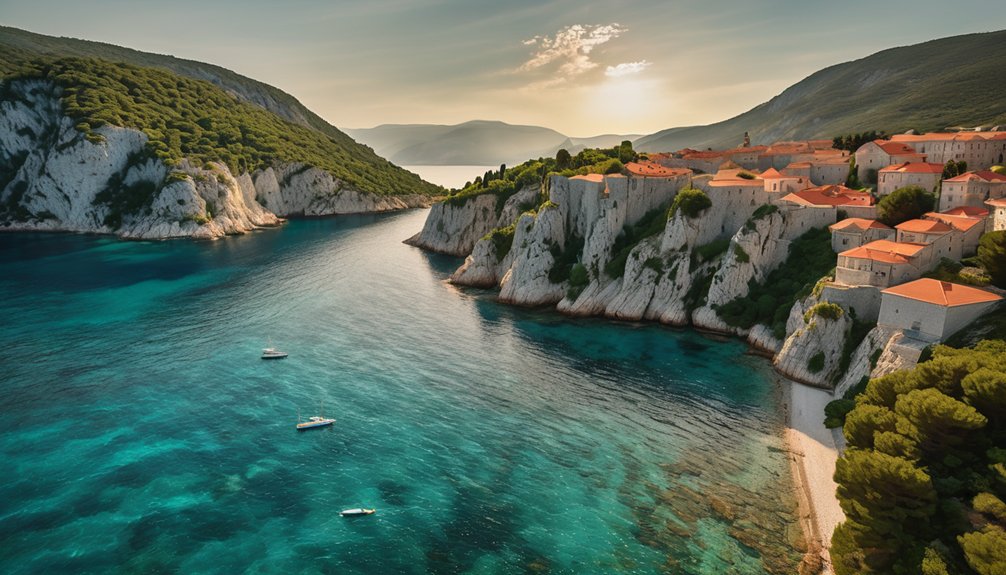
Most Beautiful Places in the Balkans – The Balkans offer some of Europe’s most breathtaking destinations, blending dramatic natural scenery with rich cultural heritage. Along the Adriatic, ancient cities like Dubrovnik and Kotor rise above crystal-clear waters, enticing visitors with their medieval walls and vibrant histories. Inland, national parks such as Durmitor and Plitvice Lakes showcase pristine forests, emerald lakes, and cascading waterfalls, perfect for hikers and nature lovers seeking untouched landscapes.
Historic towns across the region reveal a tapestry of Roman, Byzantine, and Ottoman influences. Stroll through the atmospheric streets of Mostar or Ohrid, where centuries-old architecture meets lively markets and welcoming cafes. Every city and village in the Balkans shares deep-rooted traditions, reflected in local festivals, authentic cuisine, and heartfelt hospitality.
Travelers will discover diverse flavors, from fresh seafood on the coast to hearty mountain dishes inland. The region’s warmth shines through in every encounter, making each journey memorable. Whether you’re exploring fortress-topped hills or relaxing by tranquil lakes, the Balkans promise authentic experiences shaped by both nature and history. For anyone seeking beauty and adventure, the Balkans stand out as a truly unique European destination.
Stunning Adriatic Coastlines of the Balkans
The Adriatic coastlines of the Balkans captivate visitors with their dramatic scenery and deep-rooted history. Here, sheer cliffs rise above crystal-clear waters, while medieval towns cling to the shore, offering a blend of natural beauty and cultural intrigue.
Walking through Kotor’s ancient alleys, you encounter stone fortifications that have watched over the bay for centuries. In Dubrovnik, the city’s iconic walls overlook vibrant harbors and sun-drenched beaches, inviting exploration and relaxation in equal measure.
Travelers find more than just scenic views along these shores. The Adriatic coastlines of the Balkans are home to secluded coves, lively fishing villages, and welcoming seaside tavernas. Local cuisine, especially fresh seafood served in a traditional konoba, offers a true taste of coastal life.
Each destination along the coastline tells its own story, shaped by centuries of maritime tradition and diverse cultural influences.
Whether you’re seeking a quiet escape or a journey through history, the Adriatic coastlines of the Balkans deliver unforgettable experiences. This region’s unique combination of stunning landscapes and authentic local character ensures its place among Europe’s most remarkable coastal destinations.
Most Beautiful Places in the Balkans – Dramatic Mountains and National Parks
Rising sharply from tranquil valleys, the mountains of the Western Balkans showcase a landscape shaped by nature’s power. Travelers seeking dramatic scenery and authentic adventure will find the region’s national parks captivating.
Durmitor National Park in Montenegro features deep canyons, rugged limestone peaks, and pristine glacial lakes, drawing hikers and climbers from across Europe. Slovenia’s Triglav National Park enchants with its alpine meadows, rushing streams, and the iconic Mount Triglav, beloved by mountaineers and nature lovers alike.
In Bosnia and Herzegovina, Sutjeska National Park protects ancient forests and the Tara River canyon, one of Europe’s deepest. These protected areas aren’t just natural wonders—they preserve the region’s unique wildlife and centuries-old traditions.
Visitors can explore remote mountain villages, encounter rare flora and fauna, and learn about local legends tied to the land.
Exploring the Western Balkans’ mountains offers more than stunning vistas. Each step reveals a region where history, culture, and wild beauty remain deeply intertwined.
For those eager to discover Europe’s hidden natural treasures, the national parks of the Western Balkans promise an unforgettable journey.
Historic Cities Filled With Balkan Charm
Experience the rich tapestry of the Balkans by exploring its most historic cities, where centuries of culture and architecture merge seamlessly with modern life.
Stroll through the heart of Dubrovnik, where imposing stone walls and ancient churches stand beside vibrant cafés and artisan shops. In Split, Roman heritage meets a lively waterfront, revealing a city shaped by both emperors and traders. Kotor’s labyrinthine lanes, framed by medieval fortifications, invite travelers to discover hidden courtyards and bustling local markets.
Each city showcases a unique blend of Slavic, Ottoman, and Mediterranean influences, reflected in baroque facades and traditional cuisine. Sample fresh seafood along the Adriatic or sip robust Turkish coffee in a shaded alleyway. Locals are eager to share stories that reveal the depth of their cultural heritage.
The enduring spirit of these Balkan cities lies in their ability to weave history into daily life. As you wander through cobblestone streets, every corner offers a glimpse into the region’s layered past, making each visit a journey through time and culture.
Discover why these historic cities continue to captivate travelers seeking authenticity and charm in the heart of the Balkans.
Charming Villages and Timeless Traditions
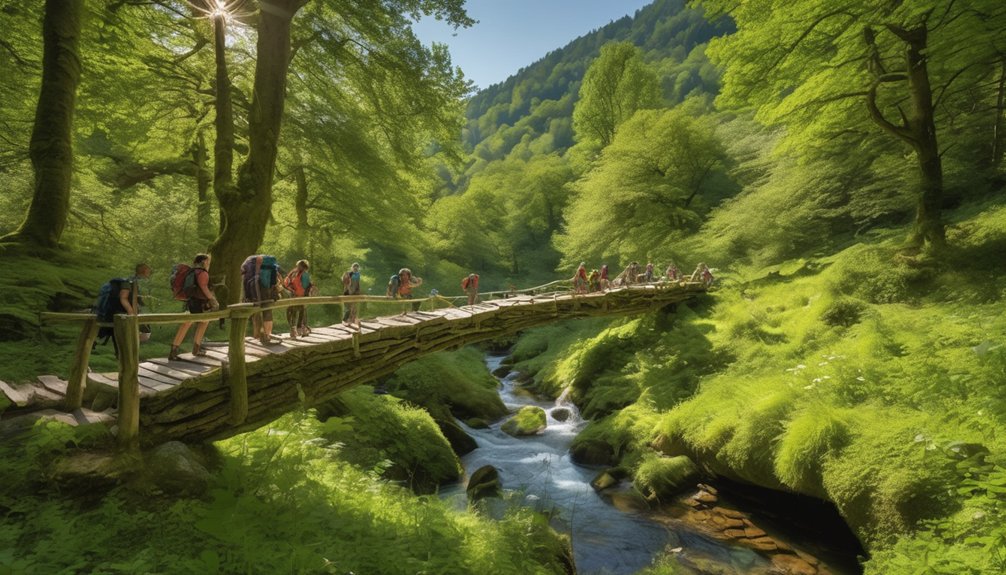
Nestled beyond the bustle of Balkan cities, rural villages offer a window into authentic traditions and unspoiled landscapes. In Serbia, centuries-old customs come to life on stone-paved streets, where villagers greet you with genuine warmth.
Along Croatia’s Adriatic coast, fishermen skillfully mend their nets, preserving livelihoods that have endured for generations. Local festivals, alive with music and dance, showcase community spirit and cultural pride.
Montenegro’s mountain hamlets invite visitors to savor homemade delicacies, each dish reflecting family heritage. In Slovenia’s alpine settlements, intricate folk costumes and handwoven textiles highlight artistry passed down through generations.
These communities aren’t static displays; they embrace modern life while honoring their roots. Hospitality is a guiding value—guests are welcomed as friends and invited to share in longstanding rituals.
Exploring these charming Balkan villages reveals more than scenic beauty. Here, daily life is a living testament to resilience and cultural continuity.
Travelers seeking meaningful experiences will find that every encounter, from shared meals to local crafts, deepens their understanding of the region’s unique heritage. The spirit of the people, reflected in their traditions and warm welcomes, is what makes rural Balkan life unforgettable.
Experiencing the Balkans’ Unique Natural Beauty
The Balkans captivate travelers with their diverse natural beauty, offering landscapes that are both rugged and inviting. From Montenegro’s emerald lakes to Slovenia’s ancient forests and Bosnia and Herzegovina’s steep canyons, each destination presents its own character. These regions are defined by dramatic limestone cliffs, colorful wildflower meadows, and rivers rich in local lore.
Exploring the Balkans means more than viewing scenic vistas—it’s about engaging with the rhythms of nature and understanding the deep connections between land and culture. Knowledgeable local guides often reveal how communities have preserved these natural treasures through careful stewardship and tradition.
Whether you prefer hiking through pristine wilderness, kayaking along winding rivers, or simply enjoying panoramic views, the Balkans offer authentic experiences for every nature enthusiast.
The blend of untouched landscapes and living traditions invites you to become part of the region’s ongoing story. By immersing yourself in these environments, you not only admire their beauty but also contribute to their continued protection.
Discover the Balkans and connect with a region where nature and heritage are deeply intertwined.
Frequently Asked Questions
What Is the Best Time of Year to Visit the Balkans?
The Balkans offer a captivating mix of natural beauty, history, and vibrant culture, but timing your visit is key to enjoying it fully. For most travelers, the best time of year to visit the Balkans is late spring (May to early June) or early autumn (September to early October). During these months, the region enjoys mild temperatures and fewer crowds, allowing you to experience both lively city atmospheres and peaceful countryside.
Late spring brings blooming landscapes and comfortable weather, ideal for exploring ancient sites like Dubrovnik’s Old Town or hiking in Montenegro’s national parks. Early autumn offers the added bonus of harvest festivals and local markets, letting you sample regional wines and seasonal produce.
Avoiding the peak summer months not only means more pleasant sightseeing but also gives you better value and easier access to accommodations. Major cities such as Belgrade, Sarajevo, and Split are especially enjoyable outside peak season, with less congestion and more authentic local experiences.
Do I Need a Visa to Travel Between Balkan Countries?
Traveling between Balkan countries often raises questions about visa requirements, especially for visitors from the EU, US, or Canada. Most Balkan nations grant short-term entry to travelers from these regions without a visa. Countries like Croatia, Serbia, Montenegro, and North Macedonia typically allow stays of up to 90 days for tourism or business purposes. However, visa policies can change, and each country sets its own entry rules.
It’s crucial to check the latest requirements before departure. Even if you don’t need a visa for one Balkan country, neighboring countries may have different regulations. For example, Albania and Bosnia and Herzegovina have distinct entry policies compared to Bulgaria or Greece, which are part of the European Union.
Carry a valid passport with at least six months’ validity and confirm any specific entry rules, such as proof of onward travel or sufficient funds. Some countries in the region require registration with local authorities within a few days of arrival.
To avoid travel disruptions, consult each country’s official embassy website or government portal before your trip. Being prepared ensures smooth movement between Balkan borders and helps prevent unexpected issues. Staying informed about current visa requirements is essential for a hassle-free journey through this diverse and fascinating region.
Is English Widely Spoken Across the Balkans?
Travelers often wonder how easy it is to communicate in English in the Balkans. English is widely spoken in most major cities, especially in tourist centers across countries like Croatia, Serbia, Greece, and Montenegro. Younger generations, university students, and professionals often have a strong command of English, making basic interaction smooth for visitors.
In rural areas, English proficiency tends to be lower. However, hospitality staff in hotels, restaurants, and attractions usually speak enough English to assist international travelers. Signage in popular destinations frequently includes English translations, which further eases navigation.
Locals generally appreciate visitors making an effort to use basic greetings in their native language. Even a simple “hello” or “thank you” can create a positive impression and lead to warmer interactions. This gesture is valued and can bridge cultural gaps.
For business or more complex needs, arranging for a translator or guide may be helpful, particularly outside urban hubs. Overall, with a mix of English and polite local phrases, travelers should find communication in the Balkans accessible and rewarding. English speakers will face few barriers in the region’s main travel spots.
What Local Dishes Should I Try in the Balkans?
Exploring the Balkans offers a rich culinary journey shaped by centuries of diverse cultures and traditions. Each country in this region serves iconic dishes that capture its unique essence. When in Bosnia and Herzegovina, don’t miss ćevapi—grilled minced meat sausages, often served with fresh bread and chopped onions. This classic dish highlights Balkan hospitality and robust flavors.
Traveling to Serbia, savor burek, a savory pastry filled with spiced meat, cheese, or spinach. Its crispy layers and generous fillings make it a beloved local snack and a staple at bakeries. In Croatia, the Adriatic coastline provides fresh seafood. Enjoy grilled fish, calamari, or scampi, best experienced in seaside taverns where the day’s catch is expertly prepared.
Slovenia brings a sweet touch with potica, a rolled pastry filled with walnuts, poppy seeds, or tarragon. This festive bread is rooted in family celebrations and reflects Slovenia’s rich baking tradition.
Sampling these local dishes not only satisfies your appetite but also offers insight into the region’s history and way of life. Savoring authentic Balkan cuisine is an essential part of truly experiencing the area.
How Safe Is It to Travel Independently in the Balkans?
Traveling independently in the Balkans has become an increasingly safe and rewarding experience for adventurous visitors. Most Balkan countries welcome tourists with open arms, offering a warm local hospitality that often surprises first-time travelers. While petty theft can occur in larger cities such as Belgrade or Sofia, basic precautions—like staying aware of your surroundings and keeping valuables secure—are usually sufficient to avoid issues.
Respect for local customs and traditions will help you integrate smoothly and build positive interactions. The region is a fascinating patchwork of cultures, languages, and histories, making each destination unique. Cities like Sarajevo and Tirana blend old-world charm with modern vibrancy, while smaller towns and rural areas offer tranquil escapes and genuine connections with residents.
Infrastructure has improved significantly, with reliable bus and train networks linking major destinations. Roads are generally safe, though mountain routes may require extra caution, especially in winter. English is widely spoken in tourist areas, easing communication for independent travelers.
If you plan your route, remain attentive in crowded places, and show cultural sensitivity, the Balkans offer a safe and enriching environment for solo exploration. This remarkable region rewards curious travelers with unforgettable scenery, diverse cuisine, and authentic experiences at every turn.