
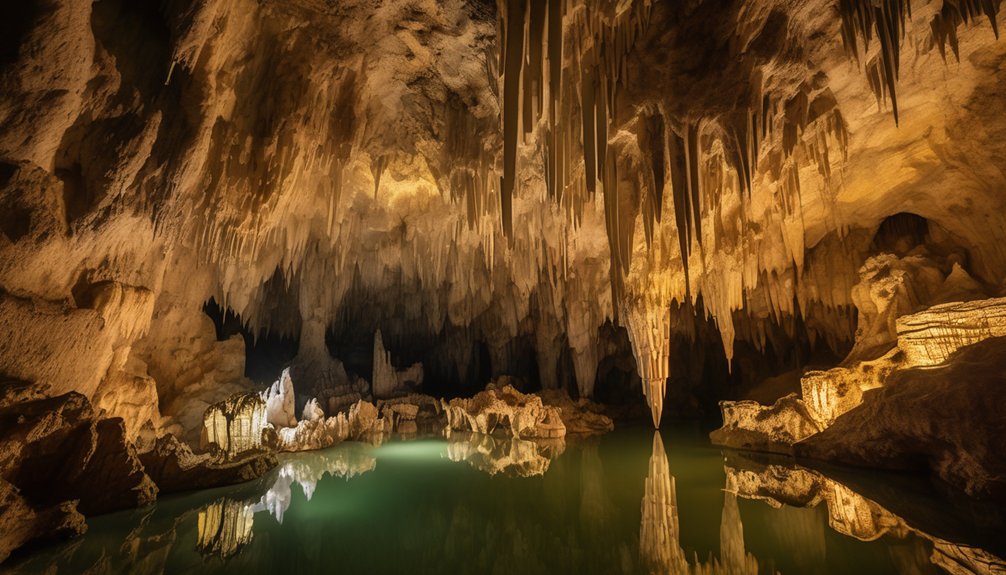
Postojna Cave or Skocjan Caves – When choosing between Postojna Cave and Škocjan Caves, your decision depends on the geological features that intrigue you most. Postojna Cave, renowned for its extensive underground passages, showcases remarkable speleothems such as shimmering stalactites and intricate crystalline formations. Visitors can experience a unique electric train ride, making it accessible and engaging for all ages. This cave is ideal if you are fascinated by mineral deposition and the slow creation of cave formations over millennia.
In contrast, Škocjan Caves captivates with its immense underground canyons and powerful river systems. Here, the Reka River dramatically carves through ancient Cretaceous limestone, creating vast chambers and deep gorges. The landscape highlights dynamic processes like tectonic uplift and the formation of natural sinkholes, offering insights into active karst topography. Škocjan is a UNESCO World Heritage site, celebrated for its scale and geological significance.
Both caves present exceptional opportunities to witness karst geology in action. If you prefer an accessible adventure with stunning mineral displays, Postojna may be your top choice. For those drawn to dramatic landscapes and active geological processes, Škocjan offers an unforgettable exploration. Consider what fascinates you most to make your visit truly memorable.
Postojna Cave vs. Skocjan Caves: Key Differences
Slovenia’s karst landscape boasts two of Europe’s most impressive cave systems: Postojna Cave and Škocjan Caves. Each offers a distinct experience for travelers seeking subterranean adventure and geological marvels.
Postojna Cave is famed for its vast, easily navigable tunnels, shaped by the Pivka River. Visitors admire intricate formations of stalactites and stalagmites, created over millennia by mineral-rich water.
Its extensive underground railway and guided pathways make it accessible for all ages, appealing to families and larger groups.
In contrast, Škocjan Caves deliver a more dramatic encounter. Here, the Reka River has carved an immense underground canyon through ancient limestone, resulting in towering chambers and deep vertical shafts.
Recognized as a UNESCO World Heritage site, Škocjan highlights the raw power of nature and active geological processes. Adventurous travelers will appreciate its rugged trails and striking chasms.
When deciding between them, consider your preference for accessibility versus adventure. Postojna offers comfort and spectacle, while Škocjan promises awe-inspiring scale and natural drama.
Both caves rank among Slovenia’s top attractions, rewarding visitors with unforgettable insights into karst geology and underground beauty.
Postojna Cave or Skocjan Caves – Postojna Cave Highlights and Visitor Experience
Postojna Cave stands as one of Europe’s most remarkable natural attractions, sculpted by the Pivka River over millions of years. Visitors begin their adventure aboard an electric cave train, which offers a unique way to explore the extensive 24-kilometer underground network. Along the route, you’ll witness striking karst formations—stalactites, stalagmites, and flowstone—created by mineral-rich water slowly shaping the limestone.
Inside, vast chambers like the Concert Hall reveal both grand dripstone pillars and intricate soda straws, each formation telling a story of geological time. The cave’s dynamic environment showcases visible fault lines and crystalline structures, providing insight into the process of subterranean evolution.
Unique to this region, the elusive olm—a rare, blind cave salamander—demonstrates remarkable adaptation to total darkness, further highlighting the cave’s significance as a living laboratory.
A visit to Postojna Cave blends adventure with education. You gain firsthand appreciation for the region’s geomorphology while experiencing one of Slovenia’s top tourist destinations.
Whether you’re a nature lover or curious explorer, Postojna Cave offers an immersive journey into the heart of Europe’s karst landscape.
Skocjan Caves: Scenery, History, and UNESCO Status
Nestled in southwestern Slovenia’s karst landscape, the Škocjan Caves are a true marvel of natural architecture and geological history. Visitors encounter vast underground chambers, shaped over thousands of years by the powerful Reka River. Towering stalactites and stalagmites fill these spaces, showcasing the slow artistry of mineral-laden water sculpting limestone.
Unique to Škocjan, the river’s active erosion has created one of the world’s largest known underground canyons. Vertical shafts and collapse dolines reveal ancient Cretaceous limestone layers, offering a fascinating glimpse into the Earth’s past. The dynamic interaction between water, rock, and tectonic forces produces ever-changing subterranean landscapes that captivate scientists and tourists alike.
Recognized as a UNESCO World Heritage Site, Škocjan Caves stand out for their rare geomorphology and outstanding preservation. This distinction highlights the caves’ global importance as an example of karst formation.
Whether you’re a geology enthusiast or a curious traveler, Škocjan Caves offer an unforgettable journey beneath the surface, where natural processes continue to shape a hidden world.
Which Cave Is Right for Your Trip?
Selecting between Postojna Cave and Škocjan Caves depends on your geological interests and travel goals.
Postojna Cave impresses with its extensive limestone formations, including stalactites, stalagmites, and calcite curtains. Formed by the Pivka River, its passages offer clear examples of both phreatic and vadose cave development. If you’re captivated by active speleogenesis and wish to explore a classic karst landscape, Postojna provides accessible insight into subterranean hydrology and mineral deposition.
Škocjan Caves, on the other hand, highlight the dramatic power of the Reka River. Here, visitors encounter immense underground canyons, large chambers, and spectacular collapse dolines. The cave system showcases the effects of tectonic uplift and river erosion, resulting in unique sinkholes and vast, UNESCO-protected geomorphology.
Škocjan’s scale and the force of its river-carved voids make it ideal for those fascinated by grand natural architecture and complex karst phenomena.
When planning your visit, consider whether you prefer a journey through richly decorated passages (Postojna) or awe-inspiring underground canyons (Škocjan).
Both caves deliver remarkable geological experiences, but each caters to different interests. Choose according to the geological features that most intrigue you and the type of subterranean adventure you seek.
How to Plan Your Visit to Postojna or Skocjan
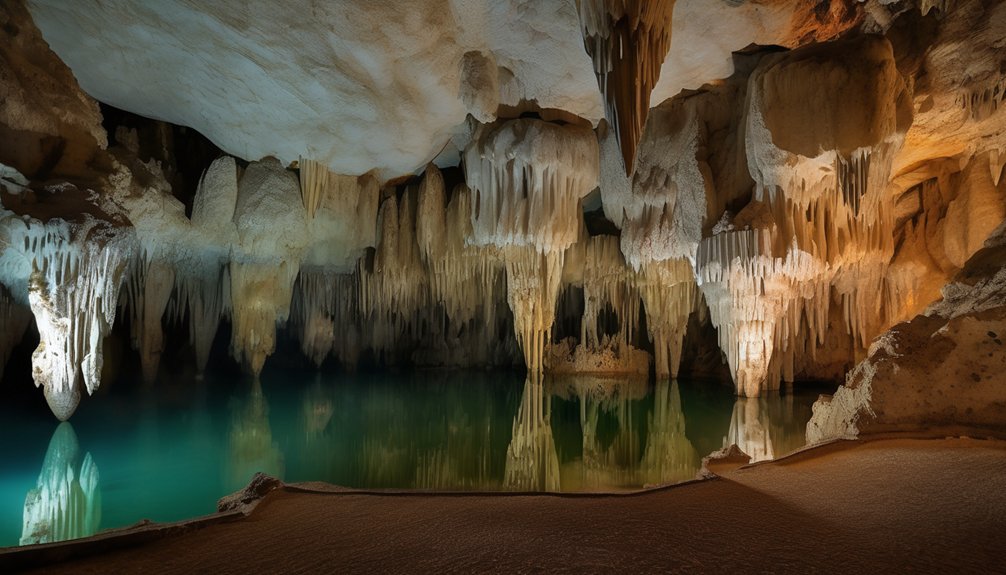
Exploring Slovenia’s Postojna and Skocjan cave systems is a rewarding experience for anyone interested in geology and natural wonders. To plan an effective visit, start by evaluating your scientific interests.
Postojna Cave is renowned for its guided railway tour, which allows convenient observation of diverse speleothems like stalactites, stalagmites, and flowstone. In contrast, Skocjan Caves feature a dramatic underground river canyon, ideal for studying unique karst processes and the interaction between vadose and phreatic zones.
Before your trip, review each site’s access details and tour schedules. Both caves strictly regulate entry to preserve delicate carbonate formations and minimize human impact. Wear sturdy footwear, as limestone surfaces can be slippery and uneven.
For visitors seeking in-depth knowledge, expert-led geological tours are available and provide valuable insights into mineralogy and geomorphology. Prepare specific questions about hydrology, mineral formation, and the evolution of karst landscapes to enhance your understanding during the visit.
Advance booking is highly recommended, especially during peak travel seasons, to secure your preferred tour times. By focusing on your geological interests and planning ahead, you’ll gain a deeper appreciation of Slovenia’s extraordinary cave systems and their scientific significance.
Frequently Asked Questions
Are Guided Tours Available in Languages Other Than English at Both Caves?
Visitors to both caves can enjoy guided tours in multiple languages, not just English. This approach ensures that guests from diverse backgrounds can fully appreciate the natural wonders within each cave. Trained guides provide clear explanations about geological formations, limestone layers, and underground water systems, making complex topics accessible to everyone.
Multilingual tours remove language barriers, allowing more visitors to connect with the unique heritage and scientific significance of these sites. Whether you speak French, German, Spanish, or another supported language, you’ll benefit from accurate and engaging commentary tailored to your group’s needs.
Advance reservations may be recommended for tours in languages other than English, as availability can vary by season and demand. Check each cave’s official website or contact their visitor center for current language options and tour schedules. By offering tours in several languages, both caves ensure that every guest enjoys a richer, more informative experience during their visit.
Choosing a guided tour in your preferred language can transform your exploration, helping you grasp both the beauty and the science behind these remarkable underground landscapes. Plan ahead to make the most of your visit and immerse yourself in the fascinating world beneath the surface.
Is Photography Allowed Inside Postojna or Skocjan Caves?
Exploring Slovenia’s underground wonders, many visitors ask: Is photography allowed inside Postojna or Škocjan Caves? Rules are strict, reflecting the need to protect these unique environments. In Postojna Cave, photography is permitted, but only in designated areas. Flash photography and tripods are strictly forbidden, as these can harm the delicate calcite formations and disrupt the cave’s microclimate.
Škocjan Caves enforces even tighter restrictions. Visitors are not allowed to take photos during guided tours inside the caves. This policy helps preserve fragile stalactites and stalagmites, safeguarding their slow, natural growth. Both caves request that guests follow all guidelines and respect posted signs to support ongoing conservation efforts.
Respecting these photography restrictions is essential for maintaining the caves’ pristine condition for future generations. The unique mineral formations, shaped over thousands of years, are highly sensitive to human interference. Even a camera flash can alter their growth or cause long-term damage.
If you wish to capture memories, many breathtaking photo opportunities exist outside the caves. Both sites offer dramatic entrances and scenic landscapes perfect for photography. Always check current guidelines before your visit, as rules may change to further protect these extraordinary natural wonders. Responsible tourism ensures that the magic of Postojna and Škocjan Caves endures.
Can Visitors With Limited Mobility Access Either Cave Easily?
Visitors with limited mobility often face substantial obstacles when accessing natural cave environments. Most caves are formed by ancient geological processes, resulting in uneven surfaces, steep inclines, and narrow corridors. These features present significant challenges for those using wheelchairs or mobility aids.
While some sites may offer basic improvements such as handrails near entrances or smoother initial pathways, continuous wheelchair access is rarely available. The priority for cave management is preserving the fragile karst formations and native ecosystem. As a result, extensive modifications—like paving lengthy trails or widening passageways—are not commonly provided.
Individuals with reduced mobility should carefully review each cave’s specific accessibility details before planning a visit. Many destinations publish up-to-date information about accessibility features, tour lengths, and terrain difficulty on their websites. It’s also wise to contact staff directly for the latest updates or to discuss special accommodations.
If full accessibility is crucial, alternatives such as virtual cave tours or multimedia exhibits at visitor centers may offer a more comfortable and educational experience. For those able to manage some uneven ground, guided tours might be possible, but assistance is often necessary.
Are Pets Permitted at Postojna Cave or Skocjan Caves?
When planning a visit to Slovenia’s iconic Postojna Cave or Skocjan Caves, pet owners often wonder whether their pets are welcome. Both caves are renowned for their extraordinary geological formations and delicate underground ecosystems. For this reason, pets are not permitted inside either Postojna Cave or Skocjan Caves.
The main reason for this policy is the strict protection of the caves’ unique environment. The presence of animals, even well-behaved pets, can introduce foreign bacteria and disrupt the fragile balance of temperature and humidity essential for the preservation of rare speleothems. Additionally, pets may unintentionally damage these formations or disturb wildlife adapted to the cave’s special conditions.
Visitors should plan accordingly and make arrangements for their pets’ care before embarking on their cave tour. While pets must stay outside, Postojna Cave does offer kennels near the entrance, providing a safe and comfortable space for your animal during your visit. Skocjan Caves, however, do not provide this service, making it vital to organize alternative pet care.
Protecting these natural wonders for future generations is a shared responsibility. Respecting the no-pet policy helps safeguard the unique beauty and scientific value of both Postojna and Skocjan Caves.
What Is the Recommended Dress Code for Visiting the Caves?
When planning a visit to natural caves, it’s crucial to follow the recommended dress code to ensure both safety and comfort. Cave environments often maintain a steady temperature of around 10°C, regardless of the season outside. High humidity levels are also common, which can make the air feel even cooler and the surfaces slippery.
Layered clothing is essential. Start with a moisture-wicking base layer to prevent chills from damp air. Add an insulating layer for warmth, and bring a lightweight, waterproof jacket in case of water drips or sudden temperature changes. Wearing layers lets you adapt your outfit to changing conditions inside the cave.
Sturdy, non-slip footwear is a must. Trails and cave floors are often wet and uneven, increasing the risk of slips and falls. Choose shoes or boots with excellent grip and ankle support for safe movement on slick surfaces.
Wearing appropriate attire not only protects you but also helps preserve the cave’s delicate limestone formations. Touching speleothems with bare skin can damage them due to natural oils and dirt. Gloves and covered arms are sometimes required for conservation reasons.