
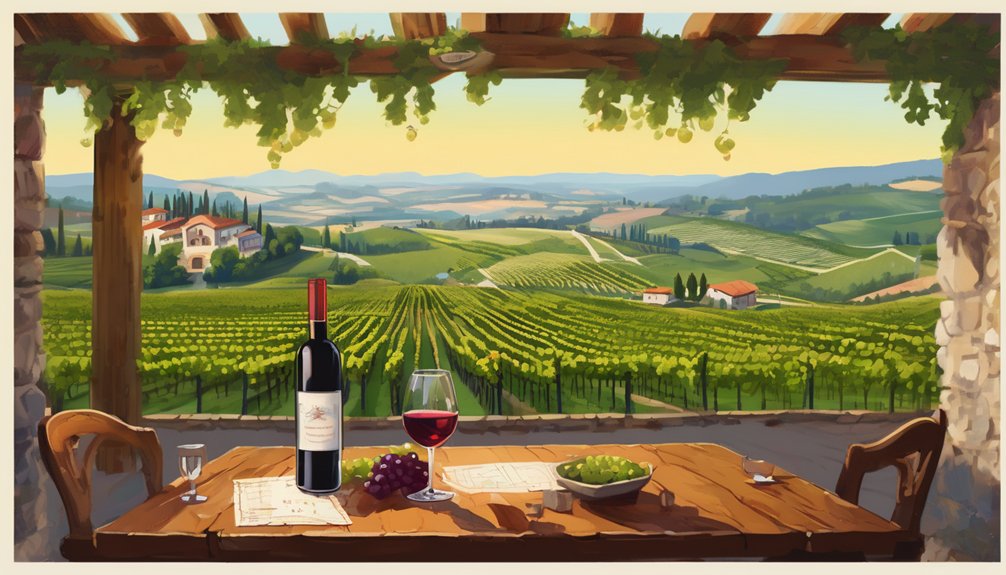
Serbian Wine Route Itinerary – Explore Serbia’s Wine Route and uncover a landscape rich in tradition, taste, and hospitality. Your journey begins in Fruška Gora, a region renowned for its lush vineyards and centuries-old winemaking heritage. Enjoy signature Serbian varietals such as Prokupac and Tamjanika, expertly crafted by passionate local vintners.
Step inside a family-owned cellar, where generations blend old-world techniques with contemporary flair. Here, you’ll witness the art of winemaking up close and sample robust reds and aromatic whites unique to Serbia’s terroir. Savor a hearty lunch with panoramic views of vine-draped hills, immersing yourself in the region’s rustic charm.
As you travel onward, stroll through a picturesque village known for its baroque architecture and authentic local flavors. Meet artisan rakija distillers, whose fruit brandies tell a story of regional pride and dedication. Sample regional cheeses, each bite reflecting the land’s rich agricultural traditions.
The Serbian Wine Route offers more than tastings; it’s a cultural journey through landscapes shaped by history and passion. Whether you’re a casual enthusiast or a seasoned connoisseur, this itinerary provides an unmatched opportunity to experience the heart of Serbian wine culture. Discover new favorites and lasting memories along every stop of this vibrant route.
Planning Your Serbian Wine Route Adventure
Embarking on a Serbian wine route offers a unique perspective on the country’s rich culture and winemaking heritage. Serbia’s vineyards, shaped by diverse microclimates and centuries of tradition, invite travelers to explore beyond popular city sights.
Begin your journey in renowned regions such as Fruška Gora or Župa, where family-run wineries and modern estates stand side by side. Each area showcases signature varietals, from refreshing Tamjanika to robust Prokupac, reflecting the land’s character.
Plan your itinerary to balance wine tastings with authentic local experiences. Many winemakers open their cellars, sharing personal stories and their passion for the craft. Pair your visits with traditional Serbian cuisine, often served in rustic vineyard settings. This approach gives you a genuine taste of the region’s hospitality.
Mapping your route carefully ensures time to savor each stop, avoiding a rushed experience. Consider traveling at a relaxed pace to appreciate both the wines and the surrounding landscapes.
Serbian Wine Route Itinerary – Top Wine Regions and Must-Visit Vineyards in Serbia
Serbia’s wine regions offer a rich blend of history, terroir, and unique grape varieties. Here, distinctive local grapes such as Probus and Tamjanika produce memorable wines with bold regional character.
This region’s microclimate and centuries-old traditions create a truly authentic tasting experience.
These estates are famous for their complex reds, shaped by mineral-rich soils and careful craftsmanship.
Wine enthusiasts will appreciate the opportunity to sample exclusive blends unique to this region.
For those seeking tradition, the Negotin Valley remains a hidden gem. Small family-run wineries here preserve ancient methods and focus on indigenous varietals, offering visitors a glimpse into Serbia’s deep-rooted viticultural heritage.
Each stop along these Serbian wine routes delivers a distinct expression of land and culture.
Exploring these must-visit vineyards gives travelers an authentic perspective on Serbia’s evolving wine scene. Whether you’re a connoisseur or a curious traveler, these regions promise unforgettable flavors and genuine hospitality.
Unforgettable Cultural and Culinary Stops on the Wine Trail
Exploring Serbia’s wine country offers far more than vineyard tours—it’s a journey into the nation’s living heritage.
Beyond the rolling hills of vines, rustic villages tempt visitors with authentic culinary traditions. Enjoy slow-cooked lamb and hand-rolled gibanica pastries in family-run taverns, where recipes have been passed down for generations.
In Sremski Karlovci, stroll past baroque facades and step into centuries-old Orthodox churches, experiencing the spiritual heart of the region. Local markets along the wine trail brim with fresh forest mushrooms, artisan honey, and rich sheep’s milk cheeses, allowing travelers to sample the region’s finest produce.
Artisan workshops open their doors to visitors, offering rakija tastings and insights into traditional crafts. These immersive stops connect travelers directly with the passionate people behind Serbia’s flavors and customs.
Combining culture and cuisine, Serbia’s wine trail invites you to discover genuine hospitality and create lasting memories.
Each stop reveals a new layer of the country’s vibrant identity, ensuring your wine journey is as rich and rewarding as the landscapes themselves.
Sample Itinerary: Experience a Day on Serbia’s Wine Route
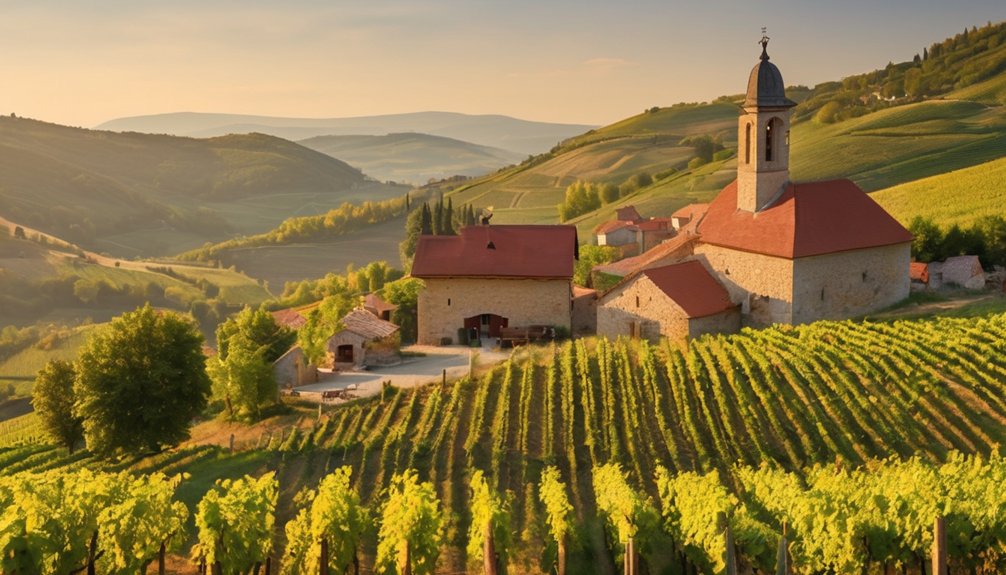
Set off on Serbia’s Wine Route to explore a landscape shaped by centuries of winemaking tradition. Your journey begins in Fruška Gora, where vineyard-covered hills meet storied monasteries. Here, enjoy a guided tasting of local grape varieties like Prokupac and Tamjanika, expertly paired with regional cheeses for a true sense of place.
Next, visit a family-owned cellar. Meet the winemaker and learn firsthand how Serbian wine is blending heritage with modern techniques. Each glass tells a unique story, deepening your appreciation for this evolving wine region.
Midday, relax over lunch featuring robust Serbian dishes served with views across sunlit vines.
In the afternoon, wander through a nearby historic village. Soak in its rustic charm and discover authentic Serbian hospitality at every turn. Throughout the day, you’ll see how wine, culture, and landscape are inseparable here.
Serbia’s Wine Route offers travelers a rich, immersive experience, making it an ideal destination for wine enthusiasts seeking authenticity and depth.
Essential Tips for Private Wine Touring in Serbia
Exploring Serbia’s vineyards on a private wine tour offers an authentic immersion into the country’s rich winemaking heritage.
Begin by researching the distinct wine regions—such as Fruška Gora and Šumadija—each celebrated for unique grape varieties and deeply rooted cellar traditions. Secure your tastings in advance, as Serbia’s boutique wineries often require reservations and offer personal, in-depth experiences.
Dress appropriately for rural settings; sturdy shoes and layered clothing will keep you comfortable as you traverse rustic landscapes. Local winemakers frequently extend warm hospitality, inviting guests to sample homemade bread or traditional rakija alongside their wines. Embrace these customs, as they’re integral to Serbian wine culture.
A private tour provides flexibility, allowing you to spend more time at estates that intrigue you or discover hidden, family-operated wineries off the beaten path.
Take the opportunity to engage in relaxed conversation with winemakers; their stories add depth to every tasting and reveal the region’s character. Prioritize connection over rushing—Serbian wine touring is as much about people as it’s about the wine itself.
Frequently Asked Questions
What Is the Best Time of Year to Visit Serbia’s Wine Regions?
Serbia’s wine regions attract visitors with their charm, history, and vibrant landscapes. For the best experience, plan your visit during late spring (May to June) or early autumn (September to October). In late spring, vineyards awaken with lush greenery, and mild weather makes touring comfortable. Early autumn offers the excitement of the grape harvest, when wineries host festive events and tastings that highlight local traditions.
During these seasons, you’ll enjoy pleasant temperatures—ideal for exploring the countryside and sampling Serbia’s growing selection of indigenous varietals. Wineries open their doors to visitors, offering guided cellar tours and opportunities to meet winemakers passionate about their craft. The scenery is particularly striking, with rolling hills and colorful foliage adding to the region’s appeal.
Avoid the peak summer months, when heat can be intense and crowds more common. Winter, while quiet, sees many vineyards closed to the public. Whether you are a wine enthusiast or a casual traveler, timing your trip to spring or autumn ensures access to the freshest wines, lively cultural events, and authentic Balkan hospitality. Plan ahead to make the most of Serbia’s unique wine experiences.
Are Serbian Wineries Suitable for Families With Children?
Serbian wineries are increasingly catering to families, making them a pleasant destination for visitors with children. Many estates offer spacious outdoor areas where young guests can play safely while parents take part in tastings. Some wineries feature gardens, walking paths, and even playgrounds, creating a relaxed and welcoming environment for all ages.
Family-friendly wineries in Serbia often organize special activities designed to engage children. These may include nature walks, seasonal fruit picking, or educational tours about grape growing. Such experiences provide entertainment for younger visitors and allow parents to enjoy their time without worry.
Dining is another highlight at many Serbian wineries. Several offer traditional meals and non-alcoholic beverages, ensuring children are included in the experience. The combination of local cuisine, beautiful scenery, and fresh air appeals to families looking for a unique outing.
Before visiting, it is wise to check each winery’s facilities and any age-related policies. Not every estate is equally equipped for young children, so advance planning helps ensure a smooth visit. In summary, Serbian wineries can be an excellent choice for families seeking a blend of culture, relaxation, and safe outdoor fun. The region’s welcoming approach ensures memorable experiences for both adults and children.
Do Serbian Wineries Accommodate Guests With Dietary Restrictions or Allergies?
Serbian wineries are increasingly attentive to the needs of guests with dietary restrictions or allergies. Before your visit, it is wise to contact the winery and communicate any special requirements. Most wineries are eager to accommodate, offering flexibility in both tastings and meal options.
Many establishments take pride in their hospitality, ensuring guests can enjoy authentic Serbian wine and cuisine without worry. Vegetarian, vegan, gluten-free, and allergy-friendly alternatives are often available with advance notice. Chefs adapt traditional recipes to suit guest preferences, preserving the rich flavors of regional dishes.
Personalized experiences are a hallmark of Serbian wineries. Staff members are knowledgeable about ingredients and preparation methods, and they often collaborate with guests to design a suitable menu. This thoughtful approach helps create memorable visits for those with dietary needs.
If you have severe allergies, always communicate specifics clearly and consider bringing a translated card to avoid misunderstandings. While most wineries strive for excellent service, proactive communication ensures your visit will be safe and enjoyable.
Whether you visit a historic estate or a modern boutique winery, you can expect a warm welcome and genuine efforts to meet your dietary needs. Serbian wineries’ commitment to guest comfort makes them an excellent choice for travelers with dietary restrictions or allergies.
Is English Commonly Spoken at Serbian Vineyards and Tasting Rooms?
Travelers exploring Serbia’s wine regions often wonder whether English is commonly spoken at vineyards and tasting rooms. Fortunately, most renowned Serbian wineries have staff who communicate fluently in English, especially in locations that attract international visitors. This ensures that wine enthusiasts from abroad can fully engage with guided tastings and tours without language barriers.
Serbian wineries understand the importance of providing a welcoming and informative experience. Staff are not only knowledgeable about local varietals and winemaking traditions but also eager to share insights in clear English. This makes it easy to ask questions about vineyard practices, wine pairings, and regional specialties.
While English is widely used in established vineyards, some smaller or rural producers may have limited language resources. However, many are still accustomed to hosting guests from around the world and will make efforts to communicate, often with menus or tasting notes available in English.
For the best experience, consider booking tours in advance at top wineries, where English-speaking guides are almost always available. Doing so ensures a seamless and educational visit, allowing you to immerse yourself in Serbian wine culture with confidence.
Can I Purchase Wine to Take Home or Ship Internationally From Serbian Wineries?
Exploring Serbia’s wineries offers more than just memorable tastings—many vineyards allow you to purchase bottles directly on-site. This provides an excellent opportunity to bring home exclusive Serbian wines that may not be available internationally. Most wineries in Serbia have a selection of their best vintages available for immediate purchase, making it easy for visitors to select favorites and enjoy them later.
For travelers interested in shipping wine abroad, it’s important to note that not all Serbian wineries provide international shipping services. Some do offer this option, but policies and courier partnerships vary. Before finalizing your purchase, always inquire about export restrictions and available shipping methods. Restrictions can differ depending on the destination country, so checking local import laws in advance can prevent disappointment.
Visitors often find that buying directly from the source ensures authenticity and quality. Additionally, purchasing at the winery sometimes allows access to limited editions not found elsewhere. Whether you want to expand your personal collection or share a unique gift, Serbian wineries make it possible—just remember to clarify shipping details to ensure smooth delivery. With a little planning, you can bring a taste of Serbia home or send it to friends and family worldwide.