
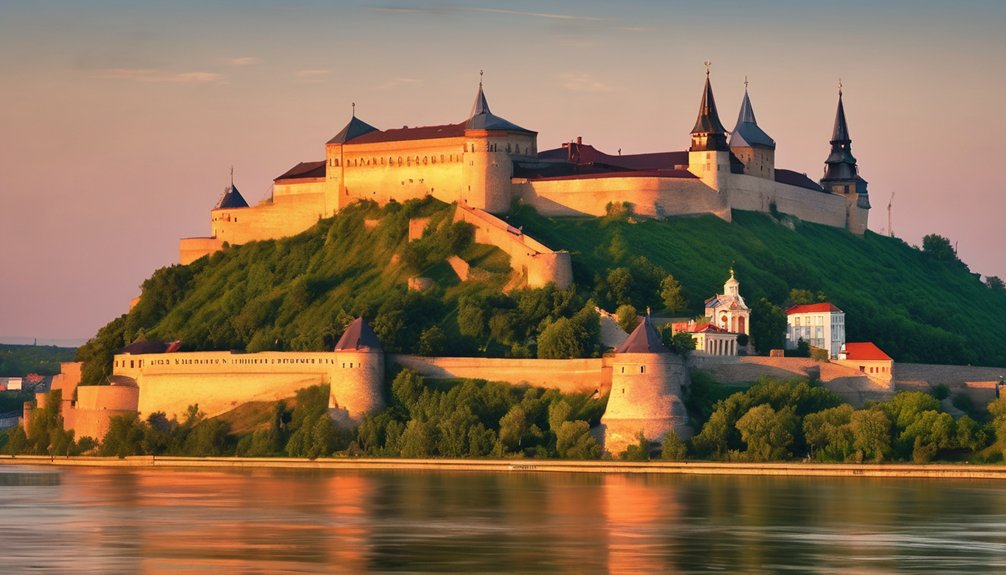
What Is Serbia Famous for – Serbia captivates visitors with its blend of vibrant culture, natural beauty, and deep-rooted traditions. The country’s landscape is dotted with ancient fortresses, such as Belgrade Fortress, which offers stunning river views and a glimpse into centuries of history. Picturesque canyons and lush forests provide opportunities for hiking, rafting, and exploration, attracting nature lovers year-round.
Serbian cuisine stands out with dishes like ćevapi, grilled meat served with fresh bread, and ajvar, a flavorful red pepper relish. Open-air markets and bustling cafés create a lively atmosphere, where locals gather to share stories and laughter. The spirit of community comes alive during traditional folk dances like the kolo, uniting people of all ages.
Throughout the year, Serbia’s festivals celebrate everything from music and film to age-old customs, offering visitors a chance to experience authentic local life. Historic monasteries, many UNESCO-listed, reveal the nation’s spiritual heritage and artistry. Timeless crafts, including handwoven textiles and intricate pottery, connect modern Serbia to its past.
Serbia’s unique highlights invite travelers to discover a land where tradition and modern life blend seamlessly. Whether exploring historic sites, savoring local flavors, or joining a festive celebration, Serbia promises an experience that is both authentic and memorable.
Must-See Historic Sites in Serbia
Serbia’s historic sites offer an authentic journey through centuries of European heritage.
Begin your exploration at Belgrade Fortress, where ancient walls overlook the confluence of the Sava and Danube rivers. This landmark has witnessed countless pivotal moments, making it one of Serbia’s most iconic attractions.
Travel south to experience the majesty of Studenica Monastery, a UNESCO World Heritage Site. Its 12th-century frescoes and serene surroundings showcase the endurance of Serbian culture through turbulent times.
In the north, Petrovaradin Fortress in Novi Sad stands as a testament to military engineering and shifting empires. Its tunnels and ramparts invite visitors to imagine the past and enjoy sweeping views of the city below.
These historic sites aren’t just relics—they are gateways to understanding Serbia’s complex past and vibrant present.
Guided tours often include these destinations, offering deeper insight into the nation’s royal dynasties, religious traditions, and architectural achievements.
Whether you’re a history enthusiast or a curious traveler, Serbia’s landmarks promise a rewarding experience. Discover the stories etched in stone and immerse yourself in the living history that defines this remarkable country.
What Is Serbia Famous for – Serbia’s Natural Wonders and Scenic Landscapes
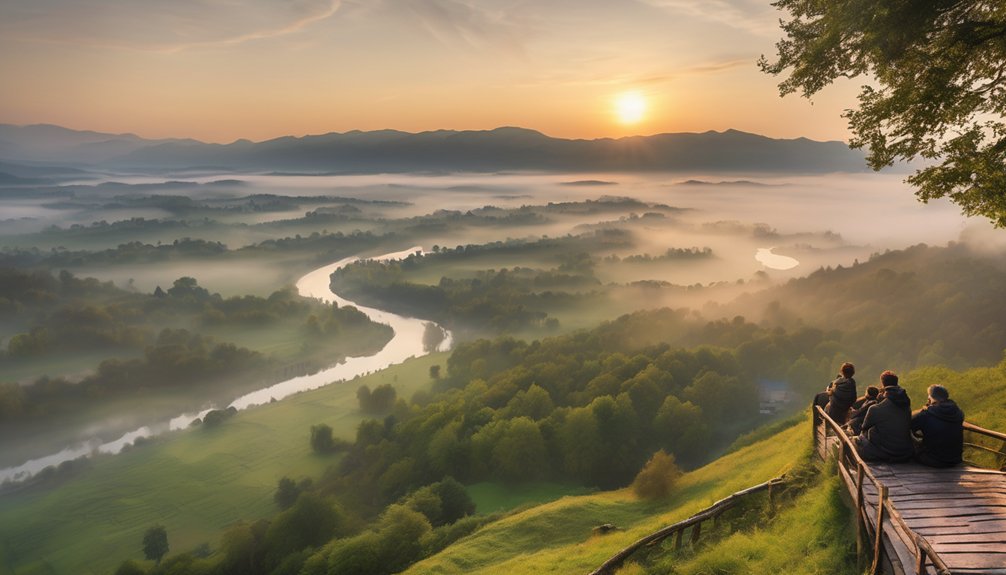
A journey through Serbia’s natural wonders reveals a landscape shaped by history, geology, and unspoiled beauty. The Đerdap Gorge, also known as the Iron Gates, stands as a powerful testament to nature’s force, where the Danube River cuts through towering limestone cliffs. Here, panoramic vistas and ancient ruins combine for a truly memorable experience.
Further west, Tara National Park captivates visitors with its dense forests and serene lakes. Hikers and photographers are drawn to its sweeping viewpoints, while the park’s rich biodiversity includes rare species like the brown bear.
In contrast, the twisting emerald waters of the Uvac Canyon invite adventurers to explore steep cliffs and observe griffon vultures soaring overhead.
These landscapes showcase what Serbia is famous for—diverse, untouched terrain that appeals to both thrill-seekers and those seeking relaxation. By 2026, Serbia’s commitment to preserving its natural heritage continues to attract travelers looking for authenticity and tranquility.
Whether you’re navigating dramatic river gorges or pausing amid ancient woodlands, Serbia’s scenic landscapes invite you to discover the wild heart of the Balkans.
Living Traditions: Serbian Arts, Music, and Customs
Serbia’s living traditions reflect centuries of creativity and deep-rooted heritage. Art, music, and customs shape the nation’s identity, leaving a strong impression on all who visit. Folk dances such as the lively kolo unite communities and symbolize harmony. At festivals and family gatherings, the sound of the gusle and dynamic brass bands fill the air, blending emotion with celebration.
Craftsmanship remains central in Serbian culture. Generations pass down skills in embroidery, painted ceramics, and carved wood, each item telling a unique story. These works aren’t just souvenirs—they are part of daily Serbian life and demonstrate pride in tradition.
One of the most distinctive customs is the Slava, a family ritual honoring a patron saint. This tradition fosters strong connections between relatives and friends, reinforcing the importance of heritage in modern Serbia.
Experiencing Serbian arts, music, and customs offers insight into a vibrant society rooted in respect and continuity. For travelers and culture enthusiasts, Serbia’s living traditions provide authentic encounters and a meaningful sense of belonging.
What Is Serbia Famous for – Serbian Cuisine: Local Flavors and Culinary Experiences
Delve into Serbian cuisine and discover a vibrant, authentic food culture shaped by centuries of diverse influences. Each meal in Serbia reflects a blend of Ottoman, Austro-Hungarian, and Slavic traditions, with dishes that tell their own stories.
Sample ćevapi, the beloved grilled minced meat rolls, best enjoyed with warm flatbread and fresh onions. Sarma, cabbage leaves stuffed with seasoned meat and rice, showcases comfort and depth, while ajvar—an aromatic red pepper relish—adds a smoky touch to every bite.
Homemade cheeses and rustic breads highlight the importance of local ingredients and time-honored techniques. Dining in Serbia is never hurried; meals foster conversation and genuine connection, whether you’re seated in a lively kafana or a stylish urban restaurant.
The spirit of Serbian hospitality shines in every generous portion and welcoming smile. Exploring Serbian cuisine means more than tasting food; it’s about experiencing the culture’s warmth and history through every shared meal.
Savoring traditional dishes alongside friends or locals provides a true sense of place. For travelers and food enthusiasts alike, Serbia promises rich flavors and memorable culinary experiences, making each visit a celebration of taste and tradition.
Festivals and Everyday Life in Serbia
Serbia’s charm comes alive in both its dynamic festivals and the rich routine of daily life. These events attract visitors from around the world, blending tradition with modern energy.
Yet, Serbia’s culture extends far beyond its famous gatherings. Everyday life reveals the country’s true character. Locals gather in bustling city cafés and peaceful village squares, sharing stories and strong coffee. Open-air markets brim with fresh produce and friendly conversation, reflecting the importance of community. Life moves at a steady pace, allowing residents to nurture deep social connections while honoring their heritage.
Visitors quickly notice the warmth of Serbian hospitality. Invitations to join a family meal or local celebration are common, offering insight into the nation’s values. By participating in everyday life and local traditions, travelers gain a genuine understanding of Serbia as a vibrant, living culture—one shaped by both its festive spirit and its enduring customs.