
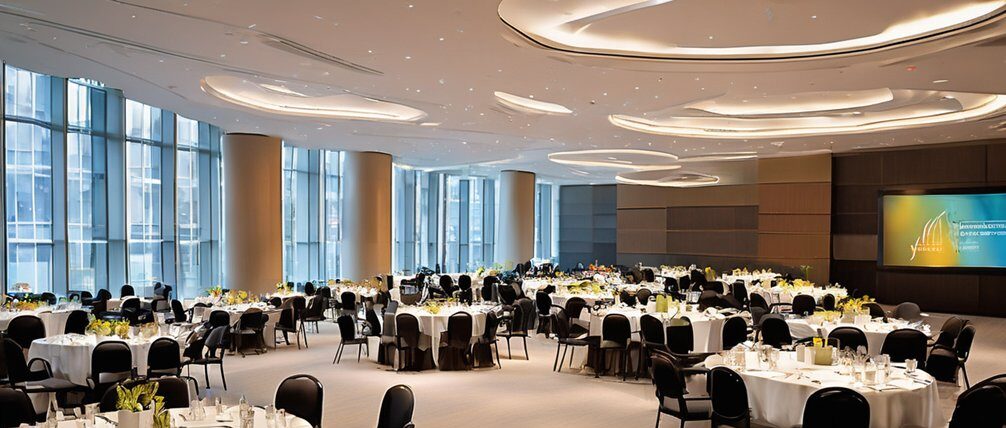
What Does MICE Mean in Tourism – MICE in tourism refers to Meetings, Incentives, Conferences, and Exhibitions—a strategic sector that powers business travel and regional economies. This industry connects professionals through structured events, driving knowledge exchange and business networking.
Destinations invest in advanced venues, modern infrastructure, and specialized services to attract MICE events. Cities like Belgrade are prioritizing streamlined logistics and upgraded facilities, making them appealing choices for international gatherings. Well-organized MICE events generate significant revenue, boost hotel occupancy, and support local suppliers.
The MICE sector stands out for its focus on personalized experiences. Event planners coordinate schedules, technology, catering, and transport to ensure seamless operations. These efforts not only create memorable events but also encourage return visits and positive word-of-mouth.
With global demand rising, MICE tourism spending is expected to grow rapidly in the next few years. As more destinations recognize its economic value, competition for hosting major events intensifies. By understanding the MICE segment, tourism professionals can unlock new opportunities for sustainable growth and regional development.
What Does MICE Mean in Tourism?
MICE in tourism refers to Meetings, Incentives, Conferences, and Exhibitions—a specialized segment that fuels global business travel and economic growth. As companies seek destinations for productive events and rewarding employee experiences, MICE tourism plays a pivotal role in shaping travel trends and urban development.
This sector stands out due to its emphasis on high-quality venues, efficient logistics, and tailored services for business groups. Destinations like Belgrade are quickly gaining prominence, offering advanced infrastructure and modern event spaces to attract international meetings and exhibitions. The city’s strategic location and growing expertise make it a compelling choice for corporate planners.
Event organizers benefit from in-depth knowledge of venue capabilities, delegate needs, and the latest trends in business tourism. By focusing on the evolving demands of corporate travelers and investing in specialized facilities, destinations can secure a competitive advantage.
Whether planning a conference or an incentive trip, a deep grasp of MICE ensures events are impactful and aligned with global standards, driving both business success and local economic development.
What Does MICE Mean in Tourism – The Four Pillars of MICE Tourism
MICE tourism stands as a driving force in the global business events sector, built on four essential pillars: Meetings, Incentives, Conferences, and Exhibitions. Each component plays a vital role in shaping memorable and effective corporate events.
Meetings facilitate strategic discussions and collaborative decision-making, essential for organizational growth. Incentives reward high-performing teams and inspire motivation through exclusive travel experiences. Conferences offer platforms for exchanging insights, fostering professional growth, and building industry networks. Exhibitions create dynamic spaces for showcasing products, expanding brand awareness, and forging valuable business partnerships.
Destinations like Belgrade have recognized the value of MICE tourism, investing in advanced venues, quality accommodations, and specialized services. This commitment transforms cities into preferred hubs for international events, drawing business travelers and increasing global visibility.
For organizations, embracing the MICE model means delivering measurable value—greater engagement, stronger partnerships, and a clear return on investment.
The four pillars work together to create events that aren’t only productive but also memorable, ensuring continued growth for both destinations and businesses.
Why MICE Tourism Is Growing in the Western Balkans
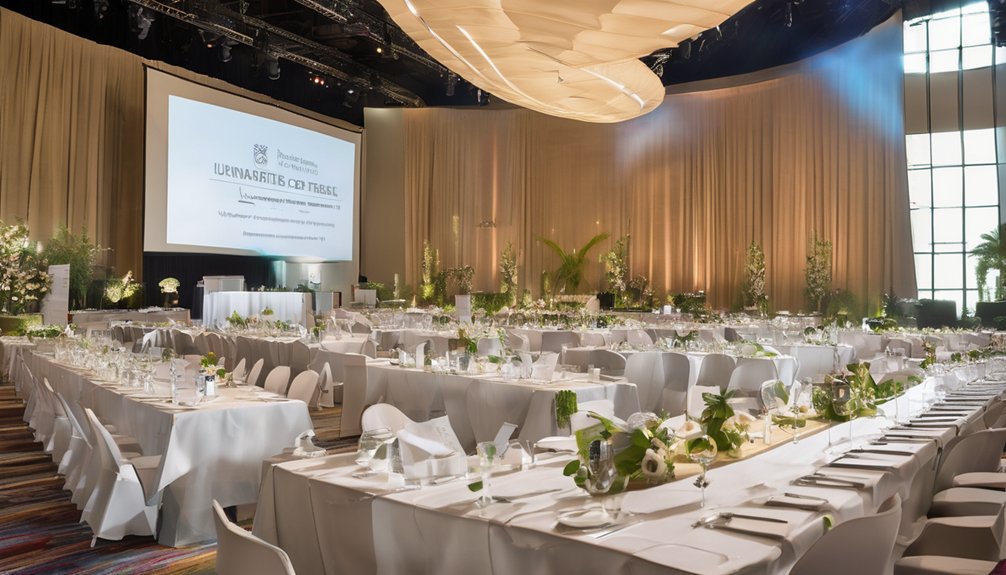
The Western Balkans are quickly gaining recognition as a top destination for MICE tourism. Cities such as Belgrade, Dubrovnik, and Ljubljana now attract a rising number of international meetings and conferences. A major factor driving this trend is the region’s investment in modern event infrastructure and enhanced transportation links. These improvements enable organizers to plan seamless events with ease.
Competitive costs set the Western Balkans apart from more traditional European MICE hubs. Planners benefit from attractive venues and professional services at lower rates, allowing for greater flexibility within budgets.
Regional governments and private enterprises are also working together to streamline visa processes, making travel to the region simpler for global attendees.
Rich heritage and vibrant city life add an extra dimension to business events. Delegates can explore historical sites, enjoy diverse cuisine, and experience authentic local hospitality. This blend of business efficiency and cultural engagement makes the Western Balkans stand out in the competitive MICE landscape.
With demand for unique, experience-driven conferences on the rise, the Western Balkans are poised to meet global expectations. For companies seeking fresh, cost-effective locations that deliver both value and memorable experiences, this region is becoming a smart and strategic choice.
Real Examples of MICE Tourism in the Region
Leading organizations are increasingly turning to the Western Balkans for successful MICE tourism experiences. Cities such as Belgrade, Dubrovnik, and Ljubljana have become prime destinations for global business events.
International pharmaceutical companies, for example, have organized annual conferences in Belgrade, making use of cutting-edge venues and efficient group logistics. The Adriatic coast attracts automotive industry leaders, who select luxury hotels and unique cultural programs for incentive travel.
Balkan Tours plays a pivotal role by providing premium, chauffeur-driven Mercedes vehicles, ensuring smooth airport transfers and executive transport. This attention to detail enhances the overall event experience, making business travel seamless and professional.
Recent data from regional tourism boards indicate a marked increase in MICE arrivals, particularly in Serbia and Croatia. Flexible infrastructure and tailored local experiences have positioned these destinations as top choices for meetings and events.
Organizations benefit from a blend of modern facilities, cultural richness, and reliable logistics. These factors drive measurable returns on investment, establishing the Western Balkans as a preferred region for impactful business gatherings.
How to Choose MICE Services for Your Event in the Balkans
Selecting MICE services in the Balkans requires careful planning to ensure your event runs smoothly and meets its objectives. Start by clearly defining your event’s purpose—whether it’s to foster networking, share knowledge, or motivate teams.
Once your goals are set, evaluate venues in Serbia, Croatia, Slovenia, Bosnia and Herzegovina, and Montenegro for their accessibility, capacity, and technical capabilities.
Reliable transportation is essential for delegate satisfaction. Opt for providers that offer seamless group transfers and executive vehicles, such as chauffeur-driven options from established local companies. This not only improves punctuality but also enhances the overall experience for international guests.
Work with MICE suppliers who’ve proven expertise in the region. Look for flexible, tailored solutions that match your agenda and understand local logistics.
Assess each provider’s track record based on response times and experience with similar international events.
Prioritize partners who combine operational efficiency with a deep understanding of the region’s cultural landscape.
Frequently Asked Questions
What Are the Environmental Impacts of MICE Tourism?
MICE tourism—meetings, incentives, conferences, and exhibitions—can have significant environmental impacts if not managed responsibly. Large gatherings often lead to increased carbon emissions from flights and local transportation. Event venues also consume more energy and water, placing stress on local resources. Additionally, conferences and exhibitions generate substantial waste, from printed materials to single-use plastics and leftover food.
Sustainable event management practices are essential to reduce these impacts. Choosing venues with robust energy efficiency measures and using digital materials instead of paper can cut resource use. Selecting eco-certified hotels and event spaces supports local efforts to minimize environmental footprints. Organizers should also prioritize group transportation, which reduces emissions compared to individual travel.
Waste management is another key concern. Providing clearly labeled recycling stations and working with caterers to manage food waste helps keep events cleaner and greener. Encouraging the use of reusable or compostable materials further reduces landfill contributions.
How Does MICE Tourism Benefit Local Communities?
MICE tourism—encompassing Meetings, Incentives, Conferences, and Exhibitions—offers local communities a pathway to sustainable prosperity. When cities host MICE events, demand for hotels, restaurants, and transportation surges. This increased activity translates directly into job opportunities for local residents, from hospitality roles to event planning and logistics.
Beyond economic gains, MICE tourism fosters collaboration between local businesses and international delegates. Small and medium-sized enterprises (SMEs) gain valuable exposure and potential partnerships, driving innovation and business growth within the region. Enhanced infrastructure, such as improved venues and transport networks, benefits both visitors and the local population long after events conclude.
MICE events often spark knowledge sharing and skills development among residents, contributing to a more dynamic local workforce. The steady influx of visitors helps stabilize income for local businesses, supporting economic resilience throughout the year.
Are There Visa Requirements for MICE Travelers in the Balkans?
When planning MICE (Meetings, Incentives, Conferences, and Exhibitions) travel in the Balkans, understanding visa requirements is crucial. Regulations differ by country and depend on your nationality, so careful preparation is essential to avoid unexpected issues.
Citizens of the European Union, the United States, Canada, Australia, and several other countries generally enjoy visa-free entry to most Western Balkan countries for short stays. However, each nation—such as Serbia, Montenegro, North Macedonia, Albania, and Bosnia and Herzegovina—sets its own entry rules. For example, Serbia and Montenegro allow visa-free visits for many nationalities, but requirements may differ for neighboring countries or longer business stays.
MICE organizers and attendees should always verify the latest entry regulations before booking flights or accommodations. Rely on official consular websites for up-to-date guidance, as rules can change with little notice. Some countries may also request proof of event participation, hotel bookings, or return tickets at the border.
What Is the Difference Between MICE and Leisure Tourism?
MICE tourism and leisure tourism serve fundamentally different purposes in the travel industry. MICE stands for Meetings, Incentives, Conferences, and Exhibitions, representing business-focused travel. Companies and organizations arrange MICE events to facilitate networking, training, and corporate growth. These gatherings demand specialized venues, advanced logistics, and tailored services to meet the needs of professionals and large groups.
In contrast, leisure tourism centers on personal enjoyment. Individuals or families plan trips for relaxation, exploration, or cultural experiences. The primary motivation is pleasure, not business. Popular activities include sightseeing, beach vacations, adventure tours, and culinary exploration. Unlike MICE tourism, leisure travel is flexible, allowing travelers to choose their destinations and pace.
While MICE tourism requires detailed coordination—such as group bookings, audiovisual support, and event management—leisure tourism emphasizes convenience, comfort, and memorable experiences. MICE travelers often have structured schedules, while leisure tourists enjoy freedom and spontaneity.
Recognizing the differences between MICE and leisure tourism helps travel planners and service providers deliver appropriate experiences. Businesses must focus on efficiency and professionalism for MICE clients. Meanwhile, those catering to leisure tourists should prioritize relaxation, discovery, and personalized service. Understanding these distinctions ensures every traveler receives the right support and value on their journey.
How Do MICE Events Address Accessibility for Attendees With Disabilities?
Modern MICE events recognize the importance of accessibility for all participants. Organizers now prioritize selecting ADA-compliant venues to ensure every area, from meeting rooms to restrooms, is usable by individuals with mobility challenges. Ramps, elevators, and clear signage help attendees navigate spaces safely and confidently.
Beyond physical access, technology plays a crucial role. Many events feature assistive listening devices, live captioning, and screen reader-compatible materials. These tools remove barriers for those with hearing or visual impairments, fostering an inclusive environment.
Transportation is another essential consideration. Organizers often arrange accessible shuttles and provide clear information about public transit options that accommodate wheelchairs and other mobility aids. This ensures attendees can travel between venues smoothly.
Staff training is vital for addressing the diverse needs of guests. Well-trained personnel understand how to offer respectful assistance and respond quickly to accessibility requests. Their preparedness enhances the overall event experience.
Organizations that embrace universal design principles see measurable benefits. Data consistently shows that accessibility measures improve attendee satisfaction and encourage broader participation. By integrating thoughtful accommodations, MICE events demonstrate a genuine commitment to inclusivity, supporting both attendee wellbeing and event success.