
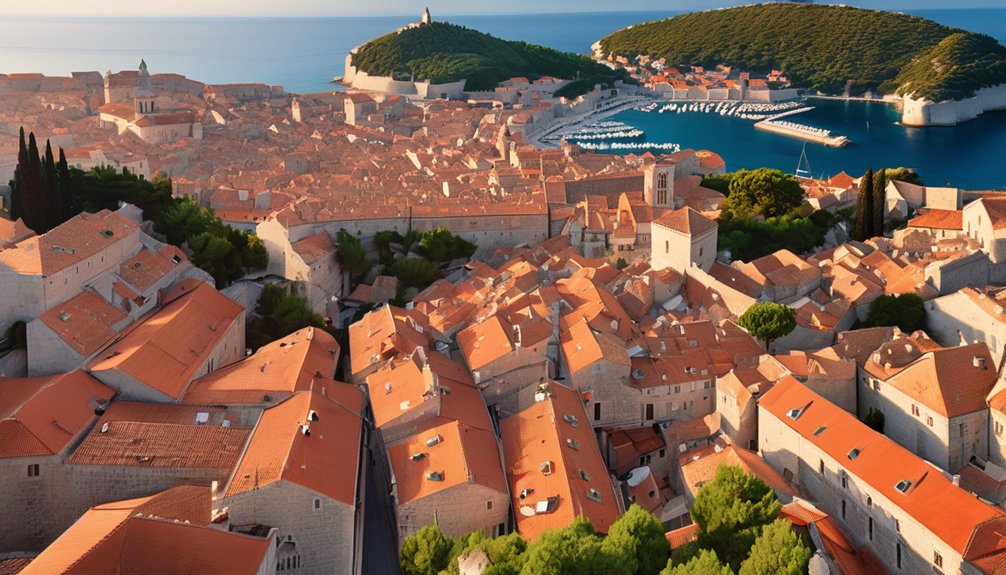
How Many Days Do You Need in Croatia – For travelers planning their first trip to Croatia, a stay of five to seven days delivers a well-rounded experience. In this timeframe, you can explore iconic cities like Dubrovnik, walk its medieval walls, and immerse yourself in Split’s Roman heritage. With efficient planning, you’ll have time to venture to at least one island, such as Hvar or Korčula, or visit natural wonders like Plitvice Lakes National Park.
The ideal number of days in Croatia depends on your interests. History enthusiasts can spend more time in ancient coastal cities, while beach lovers may prioritize the islands. Nature seekers might allocate extra days for hiking and waterfalls in national parks. A week allows you to blend these highlights, balancing relaxation and exploration without feeling rushed.
Shorter trips of three to four days work best if you focus on one region, such as southern Dalmatia or Istria. However, to truly appreciate Croatia’s diversity, five to seven days offer the flexibility to enjoy both culture and scenery. Careful itinerary planning ensures you maximize your visit, whether you crave historic sites, crystal-clear beaches, or unspoiled landscapes.
How Many Days Should First-Time Visitors Spend in Croatia?
Planning the ideal length for your first trip to Croatia depends on your interests and travel pace. If you want a broad introduction, five to seven days is optimal. This timeframe allows you to tour Dubrovnik’s medieval walls, stroll Split’s historic center, and possibly visit an island or Plitvice Lakes National Park.
With only three or four days, focus on one region, such as Dalmatia, to truly appreciate its sights without feeling rushed.
Each destination in Croatia offers unique charm. Dubrovnik dazzles with its ancient cityscape, while Split connects you to Roman heritage and lively markets. The islands, like Hvar or Korčula, invite relaxation and scenic coastal views. Nature lovers should consider Plitvice’s waterfalls or Krka’s river canyons.
To get the most out of your visit, plan your itinerary around what excites you most—history, beaches, or natural wonders. A longer stay means deeper discovery, but even a shorter trip delivers memorable experiences.
When deciding how many days to spend in Croatia, balance your wish list with realistic pacing. This approach ensures a rewarding first visit, whether you have a long week or just a few days to explore.
What Can You Experience in Croatia With 3, 5, or 7 Days?
Planning a trip to Croatia? Your ideal itinerary depends on how many days you can spend exploring this stunning destination.
With three days, focus on a single city such as Dubrovnik or Split. Wander through ancient streets, savor fresh seafood, and enjoy breathtaking Adriatic views. This short stay lets you deeply experience one cultural hub without feeling rushed.
If you have five days, you can broaden your adventure. Spend a few days in a historic city, then add a day trip to Plitvice Lakes National Park or a nearby island like Hvar.
This approach blends vibrant urban life with natural wonders, offering a taste of Croatia’s diverse landscapes.
A full week in Croatia allows for an even richer journey. Combine UNESCO World Heritage sites, scenic islands, and national parks to create a well-rounded itinerary.
Visit Dubrovnik’s Old Town, relax on the beaches of Brač, and hike through Krka National Park.
When planning how many days you need in Croatia, consider your interests and travel pace. Each duration offers its own unique rewards, from immersive city experiences to unforgettable natural beauty.
Which Croatia Itinerary Is Best for Your Interests?
Choosing the ideal Croatia itinerary depends on your unique interests, whether you’re drawn to culture, nature, islands, or city life. History lovers should begin in Dubrovnik, exploring its medieval walls and vibrant old town.
Continue to Split, where Roman architecture meets a lively waterfront. These destinations offer rich heritage and stunning views.
For those seeking sun and sea, Croatia’s islands are irresistible. Hvar dazzles with its nightlife and lavender fields, Korčula charms with vineyards and quiet beaches, while Vis promises tranquil coves and authentic village life.
Island-hopping ferries make it easy to mix relaxation with adventure.
Nature enthusiasts will find inspiration in Croatia’s national parks. Plitvice Lakes features turquoise cascades and wooden walkways, while Krka offers waterfalls and swimmable pools.
Both parks provide scenic hiking and opportunities for memorable photography.
Urban explorers shouldn’t miss Zagreb. The capital’s museums, street art, and bustling cafes create a dynamic contrast to the coast.
Combining these experiences—for example, traveling from Dubrovnik to Split, then venturing inland or island hopping—ensures a balanced trip.
Tailor your Croatia itinerary to your passions to make every day memorable. With thoughtful planning, Croatia’s diverse landscapes and cultural gems guarantee an unforgettable journey.
Sample Croatia Itineraries by Trip Length
Planning a trip to Croatia? The country’s diverse regions lend themselves to a range of itineraries, whether you have just a few days or a week or more.
In three days, immerse yourself in one destination—Dubrovnik’s ancient walls or Split’s vibrant markets are ideal for a quick yet memorable visit.
With five to seven days, combine the Adriatic coast’s iconic cities with a detour to Plitvice Lakes National Park or a relaxing day on a Dalmatian island.
If you can spend ten days or longer, expand your journey to include Zagreb’s dynamic urban life or Istria’s charming hill towns.
Each itinerary length offers a distinct experience, allowing you to enjoy Croatia’s rich culture, dramatic landscapes, and renowned cuisine at your own pace.
Thoughtful planning ensures you see top attractions without feeling rushed.
No matter your schedule, Croatia’s blend of history, scenery, and local hospitality makes every trip memorable.
Tailor your itinerary to your interests and time frame for a rewarding travel experience.
How to Choose the Right Croatia Trip Length for You
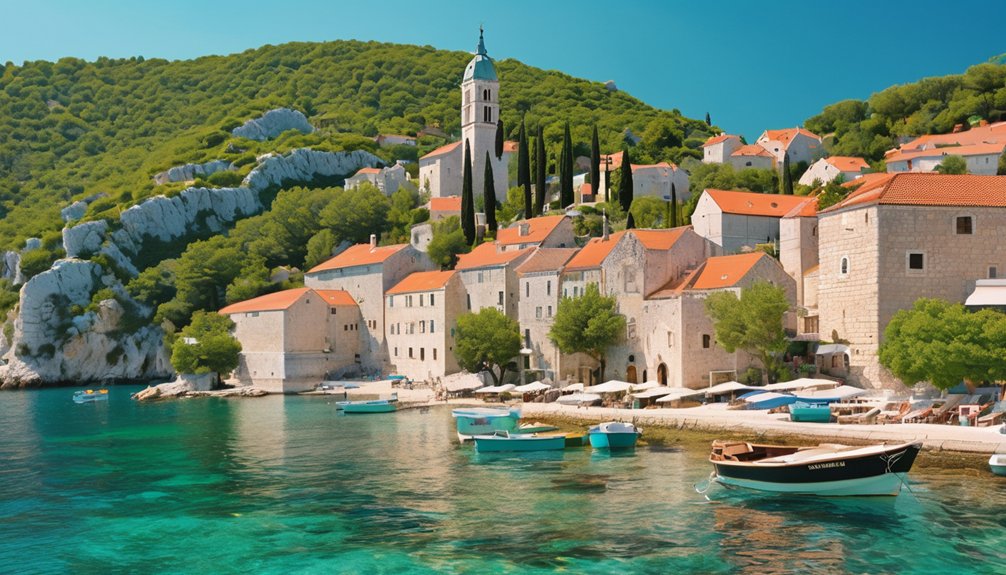
Determining the ideal length for your Croatia trip depends on your interests and preferred travel pace. Start by considering what you want most from your visit.
History enthusiasts will find three to five days enough to explore cultural gems like Dubrovnik, Split, and Zagreb. If coastal relaxation or island hopping appeals to you, extend your stay to enjoy Hvar, Korčula, or Brač. Each island offers its own charm and requires at least a full day to experience.
For nature lovers, allocating one or two days to Plitvice Lakes or Krka National Park allows time to discover their scenic trails and waterfalls.
Combine these options based on your priorities; a balanced itinerary blends city culture, island leisure, and natural wonders.
Travelers seeking a comprehensive overview often choose a 7-10 day journey. This length provides flexibility to dive deeper into local cuisine, traditions, and less-visited locations without feeling rushed.
Short stays suit those focused on highlights, while longer trips reward curiosity and immersion.
Ultimately, align your trip duration with your main interests and how much variety you want. Thoughtful planning ensures every day in Croatia delivers memorable experiences.
Frequently Asked Questions
What Is the Best Time of Year to Visit Croatia?
Choosing the best time of year to visit Croatia depends on your ideal travel experience. For most travelers, late spring (May to June) and early autumn (September to early October) offer the perfect balance of pleasant weather and manageable crowds. During these months, daytime temperatures are comfortably warm, and the Adriatic Sea begins to invite swimmers. You’ll find that destinations like Dubrovnik, Split, and the Dalmatian islands remain lively but aren’t overwhelmed by peak tourist numbers.
If you’re drawn to outdoor adventures, such as hiking in Plitvice Lakes National Park or cycling along the coast, these shoulder seasons provide optimal conditions. Local markets brim with fresh produce, and coastal restaurants serve seasonal seafood specialties. Island-hopping ferries run frequently, making it easy to explore hidden coves and charming villages.
Traveling during late spring or early autumn also allows for more authentic interactions with locals, as popular attractions are less crowded. You can wander Dubrovnik’s ancient walls, sip coffee at seaside cafes, or enjoy cultural festivals in a relaxed atmosphere. For a memorable Croatian holiday, plan your visit around these months to experience the country’s natural beauty and vibrant culture at their finest.
Do I Need a Visa to Travel to Croatia?
Understanding Croatia’s visa requirements is essential for smooth travel planning. Citizens of the European Union, Schengen Area, United States, United Kingdom, Canada, and Australia can visit Croatia without a visa for short stays. If you are not from one of these countries, you will likely need a visa before entering Croatia.
Travelers from countries requiring visas must apply in advance at a Croatian embassy or consulate. Application processes may involve providing travel documents, proof of accommodation, and evidence of sufficient funds. Planning ahead helps avoid delays or travel disruptions.
Visa-exempt visitors may stay in Croatia for up to 90 days within a 180-day period for tourism or business. Ensure your passport is valid for at least three months beyond your planned departure date. Entry rules can change, so always verify the latest information with the Croatian Ministry of Foreign and European Affairs or your nearest embassy.
Proper preparation ensures a hassle-free experience. By confirming your visa status and gathering required documents, you can focus on enjoying Croatia’s stunning coastline, historic cities, and vibrant culture. Reviewing official resources before booking your trip helps you stay informed and ready for your journey.
Are Credit Cards Widely Accepted in Croatia?
When planning a trip to Croatia, understanding payment options is essential for a stress-free experience. Credit cards are widely accepted throughout the country, particularly in hotels, upscale restaurants, and major retail stores. Visa and Mastercard are the most commonly used, while American Express and Diners Club may have more limited acceptance.
In urban centers like Zagreb, Split, and Dubrovnik, you can rely on your credit card for most purchases. However, smaller towns, rural areas, and local markets often prefer cash payments. It is wise to keep some Croatian kuna on hand for taxis, street vendors, or family-run establishments that may not accept cards.
ATMs are plentiful in cities and tourist areas, making it convenient to withdraw cash when needed. Always inform your bank about your travel plans to avoid issues with card security. Additionally, check for any foreign transaction fees your bank may charge.
While credit cards offer convenience and security, carrying a modest amount of cash ensures you are prepared for any situation. This balanced approach allows you to enjoy Croatia’s diverse regions—from bustling cities to charming villages—without worrying about payment obstacles.
Is Croatia Safe for Solo Travelers?
Exploring Croatia as a solo traveler offers a blend of safety, beauty, and cultural richness. The country consistently ranks among Europe’s safest destinations, making it ideal for those venturing out alone. Popular cities like Zagreb, Split, and Dubrovnik boast welcoming atmospheres, well-lit streets, and efficient public transport, providing peace of mind to visitors.
Solo travelers can immerse themselves in Croatia’s vibrant café culture, enjoying local cuisine and people-watching in lively squares. The historic streets of old towns invite leisurely walks, while coastal promenades offer stunning Adriatic views. Day trips to nearby islands or national parks, such as Plitvice Lakes or Krka, are easily accessible and well-organized.
While Croatia is generally safe, staying alert in crowded tourist spots helps avoid petty theft. Most locals are friendly and happy to assist with directions or recommendations. English is widely spoken in tourist areas, reducing language barriers for solo visitors.
Travelers should take standard precautions, such as safeguarding valuables and using reputable transportation. With thoughtful planning and situational awareness, exploring Croatia alone can be both safe and rewarding. Whether you seek adventure, relaxation, or cultural discovery, Croatia welcomes solo travelers with open arms and unforgettable experiences.
What Local Foods Should I Try in Croatia?
Exploring Croatia’s culinary scene is an essential part of any visit. The country’s diverse regions offer a wealth of traditional dishes, each reflecting a unique blend of Mediterranean and Central European influences.
Begin your culinary journey along the coast, where you’ll find some of the freshest seafood in Europe. Try grilled fish, octopus salad, or the iconic black risotto, which gets its striking color and rich flavor from cuttlefish ink. In Dalmatia, peka is a must. This slow-cooked dish, prepared under a bell-like dome, features either juicy lamb, veal, or seafood with vegetables.
Venture inland to sample artisanal cheeses, especially the award-winning Pag cheese, known for its distinct flavor. In Istria, indulge in delicacies featuring local truffles, which add earthy depth to pastas and egg dishes. Fritule, bite-sized fried doughnuts dusted with sugar, make a delightful sweet treat, especially during festivals.
Round out your experience by tasting regional Croatian wines. Malvazija from Istria and Plavac Mali from Dalmatia are celebrated varieties. Each complements the country’s local foods beautifully, enhancing every meal with depth and character.
Sampling Croatia’s local foods ensures a deeper connection to its culture and people. Every dish tells a story, making your visit truly memorable.