
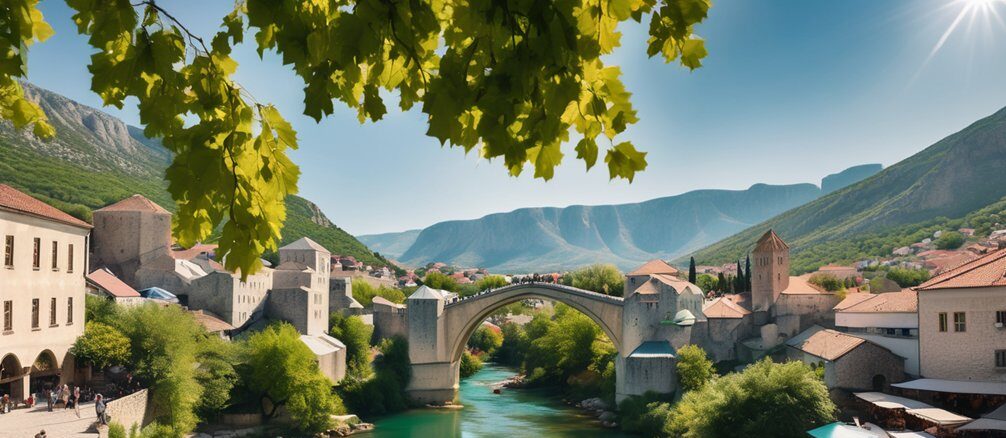
Is Bosnia and Herzegovina Worth Visiting – Bosnia and Herzegovina stands out as an inspiring travel destination, seamlessly blending history, culture, and natural beauty. From the iconic Stari Most bridge in Mostar to the atmospheric streets of Sarajevo, the country’s rich past is visible at every turn. Travelers are drawn to its welcoming spirit and unique blend of Eastern and Western influences.
Nature lovers will appreciate the dramatic Dinaric Alps, endless green valleys, and the mesmerizing Kravica Waterfalls. Outdoor enthusiasts can hike, raft, or simply unwind amid breathtaking scenery. Urban explorers will discover vibrant markets and traditional cafés where local life thrives.
The cuisine in Bosnia and Herzegovina reflects centuries of cultural interplay. Savor dishes like ćevapi or burek, each meal offering a taste of the region’s heritage. Festivals and local events provide authentic experiences, connecting visitors with the warmth and generosity of its people.
Safety and affordability add to the appeal. Efficient transport networks and compact cities make exploring easy and enjoyable. Bosnia and Herzegovina rewards curiosity with hidden gems and memorable encounters.
If you seek a destination rich in authenticity, diversity, and unspoiled beauty, Bosnia and Herzegovina is well worth your time.
Why Visit Bosnia and Herzegovina?
Bosnia and Herzegovina offers a travel experience unlike any other in Europe. This remarkable country stands at the meeting point of Eastern and Western cultures, reflected in its dynamic architecture and living traditions. From the iconic Ottoman-era bridges in Mostar to the grand Austro-Hungarian buildings of Sarajevo, every corner tells a story shaped by centuries of coexistence.
Travelers are drawn to Bosnia and Herzegovina for its genuine hospitality and vibrant local life. In the heart of Sarajevo, bustling markets and historic mosques blend seamlessly, creating a unique urban rhythm.
The country’s landscapes are just as diverse—majestic mountains, crystal-clear rivers, and charming villages invite exploration and adventure.
Bosnia and Herzegovina is much more than its recent history. Visitors quickly realize that resilience and warmth define its people. Whether you’re savoring traditional coffee in a local café or joining a spirited festival, you’ll feel a strong sense of connection.
Guided tours reveal hidden gems, from sacred sites to thriving art scenes. For those seeking authentic experiences, Bosnia and Herzegovina rewards curiosity with rich culture and unforgettable encounters.
Make this destination your next journey to uncover stories of transformation, beauty, and enduring spirit.
Is Bosnia and Herzegovina Worth Visiting – Top Places to Visit and Natural Wonders
Bosnia and Herzegovina stands out as a destination rich in heritage and natural beauty. Visitors often begin in Sarajevo, where the city’s old town showcases a unique blend of Ottoman and Austro-Hungarian influences.
Walking these historic streets offers a vivid glimpse into the nation’s diverse past.
Travelers are frequently captivated by Mostar’s renowned stone bridge, an enduring symbol of unity spanning turquoise waters. The city’s vibrant atmosphere and riverside setting create memorable experiences for every visitor.
Nature lovers find plenty to admire beyond urban centers. Kravica Waterfalls offer a tranquil retreat, perfect for relaxation and photography.
Una National Park, with its untouched landscapes and dramatic river scenery, invites adventure and exploration.
Exploring smaller towns reveals hidden treasures. The medieval charm of Počitelj and the fascinating depths of Vjetrenica Cave illustrate the country’s richness beyond its cities.
Each location tells a unique story and rewards those who seek authentic travel experiences.
If you’re considering whether Bosnia and Herzegovina is worth visiting in 2026, its blend of cultural landmarks and natural wonders makes it a compelling choice.
This destination promises genuine discovery and lasting memories for travelers who value both history and unspoiled landscapes.
Experiencing Bosnia’s Culture: Food, Festivals, and Traditions
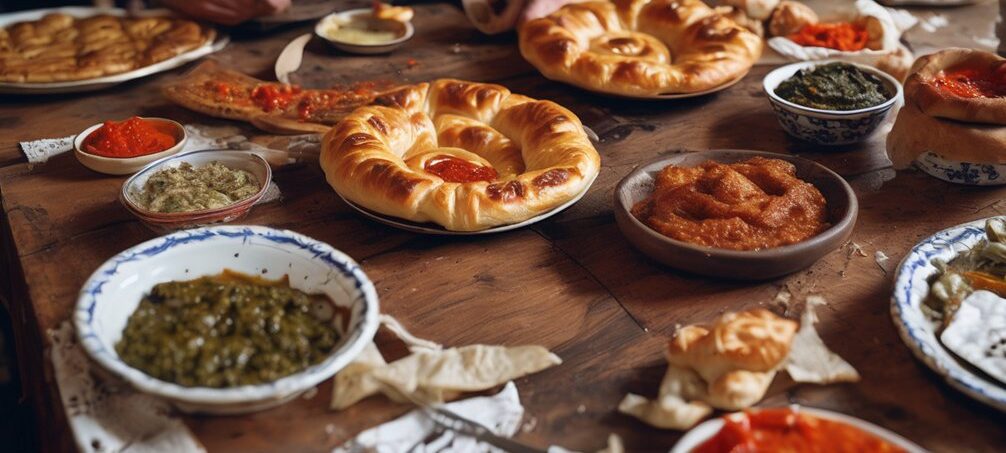
A journey through Bosnia and Herzegovina unveils its vibrant culture through unforgettable tastes, time-honored festivals, and living traditions.
Begin with the nation’s cuisine: savor grilled ćevapi, indulge in flaky burek, or linger over handmade baklava in a cozy Sarajevo café. Each bite reveals generations of culinary heritage.
Wander the bustling markets, where scents of spices and fresh bread fill Ottoman-era streets. Here, artisans display intricate crafts, and locals greet visitors with genuine warmth.
Bosnia’s festivals are windows into its soul. Witness the mesmerizing Sufi whirling ceremonies or listen to soulful Sevdalinka folk melodies, echoing centuries of shared stories.
Tradition isn’t a relic here; it thrives in everyday moments. Family-run eateries, open-air celebrations, and intimate village gatherings invite you to participate, not just observe.
As you engage with local customs—from sharing coffee to joining a dance—you forge meaningful connections.
Experiencing Bosnia’s food, festivals, and traditions offers authentic insight into a culture shaped by resilience and hospitality.
Embrace its living heritage, and you’ll uncover the true spirit of Bosnia and Herzegovina.
Safety and Travel Practicalities
Bosnia and Herzegovina offers travelers a welcoming environment and reassuring safety, making it a rewarding destination for both solo and group visitors. The nation’s vibrant cities, such as Sarajevo and Mostar, stand out for their openness and genuine hospitality. Visitors often remark on the friendliness of locals, who are eager to share their culture and history.
Major towns present a secure atmosphere, especially during the day, with low violent crime rates compared to other European countries. While exploring busy markets or public transport, travelers should remain attentive to their belongings, as pickpocketing can occur, particularly in crowded areas.
In rural regions, it’s important to heed warning signs and stay on marked paths, as some areas may retain remnants from past conflicts.
Infrastructure has improved significantly, with reliable buses and trains connecting most destinations, helping visitors travel independently with confidence.
Bosnia and Herzegovina’s blend of cultural richness and natural beauty is accessible, thanks to its clear transport network and safe environment. By following local guidance and using common sense, travelers can focus on the country’s unique experiences without undue concern.
Whether you’re wandering city streets or hiking scenic landscapes, Bosnia and Herzegovina stands out as a safe and inviting destination in the heart of the Balkans.
Planning Your Trip: Private Tours and Insider Tips
Uncover Bosnia and Herzegovina’s vibrant culture and scenic wonders with expertly guided private tours. These personalized experiences let you explore at your own pace, offering a deeper understanding of the country’s layered history and natural beauty.
Begin in Sarajevo, where a private guide leads you through the atmospheric old bazaar and shares insights into the city’s Ottoman and Austro-Hungarian heritage.
Private tours allow you to visit Mostar’s iconic bridge without the crowds, and venture into secluded mountain villages rarely seen by tourists. Local guides provide valuable insider tips—such as the best times to visit popular sites and where to taste authentic ćevapi in family-run restaurants.
You’ll also discover hidden gems, from tranquil riverbanks to lively local festivals.
Choosing a reputable tour operator like Balkan Tours means you benefit from customized routes, reliable service, and the comfort of premium transport.
Every itinerary is crafted to fit your interests, whether you’re drawn to nature, architecture, or culinary traditions. With expert planning, you avoid common travel hassles, ensuring a smooth and memorable journey.
Unlock the true spirit of Bosnia and Herzegovina through private tours that reveal the country’s authentic charm and diverse heritage.
Frequently Asked Questions
Do I Need a Visa to Enter Bosnia and Herzegovina?
Travelers planning a visit to Bosnia and Herzegovina should verify their visa requirements in advance. Your need for a visa depends on your nationality and the purpose of your trip. Citizens from the European Union, the United States, the United Kingdom, Canada, Australia, and several other countries enjoy visa-free entry for short stays, typically up to 90 days within a 180-day period. However, regulations may change, so it is essential to consult the latest information from the official embassy or consulate before departure.
If you do require a visa, the application process usually involves submitting a completed form, a valid passport, proof of accommodation, and evidence of sufficient funds for your stay. Processing times and fees can vary depending on your country of origin and the type of visa you need.
Whether you are traveling for tourism, business, or family visits, always confirm your entry requirements well ahead of your journey. Entry rules are subject to change, especially in response to global events. Staying informed ensures a smooth arrival and avoids unexpected complications at the border. For the most accurate guidance, refer directly to the official government websites or consult with the nearest Bosnian diplomatic mission.
What Currency Is Used in Bosnia and Herzegovina?
Travelers to Bosnia and Herzegovina will need to use the Bosnia and Herzegovina Convertible Mark, abbreviated as BAM. This is the country’s official currency and is accepted everywhere, from bustling city markets to rural villages. The Convertible Mark is securely pegged to the euro, ensuring financial stability and predictable exchange rates for visitors.
You can conveniently exchange major currencies, such as euros and US dollars, at local banks, exchange offices, and some hotels. ATMs are widely available in cities and towns, making it simple to withdraw BAM for daily expenses. Credit cards are accepted at many larger businesses, but carrying some cash is advisable for small shops, taxis, or outdoor vendors.
When planning your trip, it’s helpful to check the current exchange rate before arrival. Avoid exchanging money on the street to ensure security and fair rates. Most businesses display prices in Convertible Marks, so familiarizing yourself with the currency’s denominations can streamline your purchases.
Are English Speakers Common in Major Tourist Areas?
When visiting Bosnia and Herzegovina, many travelers wonder if English is commonly spoken in key tourist areas. The answer is reassuring—English is widely understood in the country’s most popular destinations, especially in cities like Sarajevo and Mostar. Staff in hotels, restaurants, and major attractions typically speak English well, ensuring smooth communication for international visitors.
In busy urban centers and historical sites, you’ll find menus, signs, and information available in English. This makes navigation and daily interactions straightforward, even if you don’t speak the local language. Younger locals, particularly those in the tourism industry, are often fluent and eager to assist travelers.
While English is less prevalent in rural areas, most tourist infrastructure is designed with international guests in mind. If you need directions or help, staff at information centers and transport hubs are usually equipped to answer your questions in English.
Can I Use Credit Cards Widely in Bosnia and Herzegovina?
Credit cards are widely accepted in Bosnia and Herzegovina’s urban centers. Major hotels, international restaurants, and well-known retail stores in Sarajevo, Mostar, and Banja Luka typically process card payments without issue. When visiting large supermarkets or well-established businesses, you can usually rely on your credit card for convenience and security.
However, cash remains essential in many everyday situations. Smaller towns, rural communities, and traditional markets often do not accept cards. Street vendors, local taxis, and some family-run businesses may only take cash. This is especially true outside tourist hotspots, where electronic payment infrastructure is less common.
ATMs are available in most cities and towns, allowing you to withdraw Bosnian Convertible Marks (BAM) with foreign cards. Always check with your card issuer for international transaction fees before traveling. Carrying a mix of cards and local currency ensures you are prepared for any situation.
What Is the Best Time of Year to Visit?
Selecting the best time of year to visit can greatly enhance your travel experience. For most destinations, late spring (May to June) and early autumn (September to October) offer the most favorable conditions. During these periods, temperatures are mild, allowing for comfortable sightseeing and outdoor activities. Flowers bloom in spring, while autumn brings rich colors to the landscape, creating picturesque settings for photography and relaxation.
Crowds also tend to be smaller compared to the busy summer months, making it easier to explore popular attractions without long waits or congestion. This quieter atmosphere lets you enjoy authentic local culture, from historic landmarks to vibrant markets, at your own pace. Many cultural festivals and events occur during these shoulder seasons, providing unique opportunities to experience regional traditions.
Accommodation and travel costs are often lower outside of peak season, adding further value to your trip. By planning your visit during late spring or early autumn, you can take advantage of optimal weather, fewer tourists, and more immersive experiences. This approach ensures a rewarding and memorable journey tailored to both comfort and discovery.