
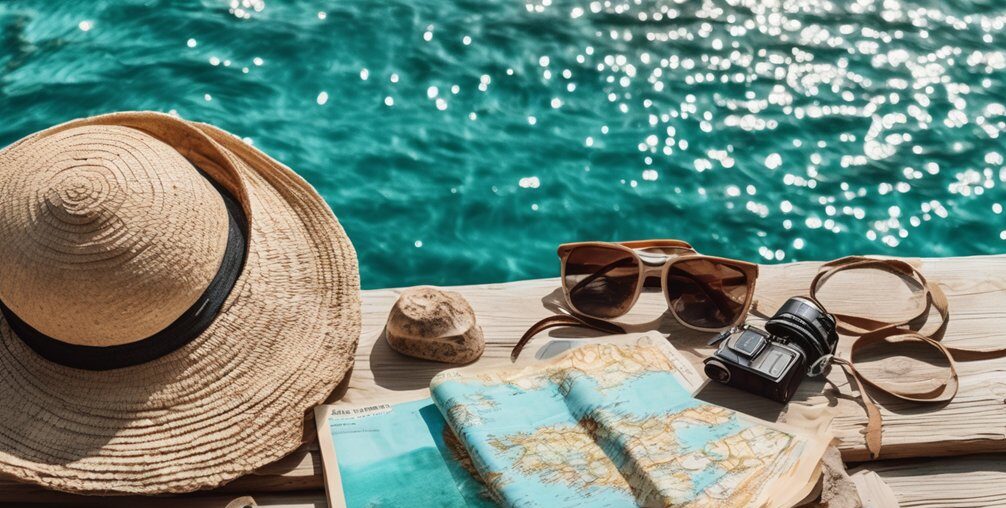
What to Pack for Croatia – Preparing for a trip to Croatia requires careful planning, as the country offers diverse landscapes and climates. For the sun-drenched Adriatic coast, prioritize lightweight, breathable clothing such as linen shirts, sundresses, and comfortable swimwear. A wide-brimmed sunhat and polarized sunglasses are essential for protection against strong Mediterranean sun.
Inland regions and national parks can experience cooler temperatures and sudden rain. Pack a light jacket, a sweater, long pants, and waterproof shoes to stay comfortable during changing weather. For city excursions and exploring historic sites, sturdy walking shoes are a must. When visiting churches or heritage sites, modest attire demonstrates respect for local customs.
Include a compact, packable rain jacket to handle unexpected showers and windy days. A reusable water bottle and a reliable daypack will make sightseeing more convenient. Bring a travel adapter suitable for European plugs and an anti-theft bag to secure valuables in crowded areas.
By packing thoughtfully, you’ll be well-prepared to enjoy Croatia’s vibrant cities, stunning coastlines, and picturesque countryside. Focus on versatility and comfort to ensure a worry-free experience, whether you’re relaxing on the beach, hiking rugged trails, or exploring ancient towns.
Essential Clothing for Croatia’s Weather and Seasons
Packing for Croatia requires a careful approach due to its diverse climates. Along the Adriatic coast, summers are warm and sunny, so prioritize lightweight, breathable clothing such as linen shirts, cotton sundresses, swimwear, and comfortable shorts. A wide-brimmed sunhat and polarized sunglasses will protect you from strong coastal sunlight.
Inland Croatia, or during spring and autumn, expect cooler temperatures and occasional rain. Layering is crucial—bring a light jacket, a sweater, and long pants to adapt quickly to changing conditions. Evenings can cool down unexpectedly, especially away from the coast.
Those visiting in winter should prepare for much colder conditions, particularly inland where snow is common. Pack a warm, insulated coat, thermal layers, a scarf, and waterproof shoes to stay comfortable in chilly weather.
Croatia’s varied climate means versatility is key. Select clothing that mixes and matches easily, allowing you to adjust to different regions and seasons without overpacking.
Packing Tips for Croatian Cities and Day Trips
Planning your luggage for Croatia’s lively cities and scenic day trips requires a strategic approach. Start with comfortable, stylish walking shoes—essential for exploring the cobbled streets of Dubrovnik, Split, or Zagreb.
In spring and autumn, pack breathable layers to manage shifting temperatures. A lightweight, compact rain jacket helps you stay dry during unexpected showers.
A small daypack is invaluable for city excursions and organized Croatia tours. Use it to carry water, sunscreen, and a portable charger, especially when visiting multiple attractions in a day.
Always include a reusable water bottle to stay hydrated and minimize plastic waste.
If you plan to visit churches or historic landmarks, pack a modest outfit to respect local customs. Travel-sized toiletries and a secure crossbody bag help keep your essentials organized and your valuables protected in busy urban settings.
Packing thoughtfully ensures you’re prepared for Croatia’s diverse experiences—whether you’re sightseeing in ancient cities or taking a spontaneous coastal detour.
With these essentials, you’ll travel lighter, safer, and ready for every adventure Croatia offers.
What to Pack for Croatia – What to Bring for Croatia’s Coast and Islands

Preparing for Croatia’s sun-drenched coastlines and islands requires careful planning. Lightweight clothing is vital—linen shirts, breathable shorts, and sundresses keep you cool in the Mediterranean heat.
Prioritize a wide-brimmed hat and premium sunglasses for reliable sun protection. High-SPF sunscreen is essential, as the Adriatic sun can be intense even on breezy days.
Swimwear is a must, as opportunities for swimming or boating abound. Pack sturdy water shoes to navigate pebbly beaches or rocky coves confidently.
A light scarf or cover-up proves useful for quick transitions between seaside cafes, ferry rides, and historic sights.
Stay hydrated by carrying a reusable water bottle, which is practical for hot afternoons exploring coastal towns. A compact daypack will help you keep essentials organized, whether you’re wandering charming harbors or joining a boat tour.
Each item on your Croatia packing list should serve a purpose—comfort, protection, or convenience—so you can fully enjoy the region’s unique blend of relaxation and adventure.
Gear and Clothing for Croatian Heritage Sites and Outdoor Activities
Exploring Croatia’s UNESCO heritage sites and natural wonders requires thoughtful preparation. The country’s climate varies, so packing the right gear ensures a comfortable and enjoyable experience. Lightweight, breathable clothing is ideal for touring historic cities like Split and Dubrovnik, where summer temperatures can soar.
However, evenings and higher altitudes—such as in Plitvice Lakes National Park—often bring cooler air, making a light jacket or sweater essential.
Sturdy walking shoes with solid grip are crucial for navigating cobblestone streets, fortress steps, and uneven park trails. When planning outdoor activities, opt for moisture-wicking layers and a compact rain jacket to manage changing weather.
Sun protection is vital: pack a wide-brimmed hat, UV-blocking sunglasses, and high-SPF sunscreen for long days outdoors. Bringing a refillable water bottle helps you stay hydrated, especially during active excursions.
When visiting Croatian heritage sites, remember that modest attire may be required, particularly in churches and religious landmarks. Carrying a scarf or wrap ensures respectful access without limiting your exploration.
Must-Have Travel Accessories for Croatia
Exploring Croatia’s vibrant cities and stunning natural landscapes calls for smart packing. The right travel accessories can transform your journey, keeping you prepared and comfortable every step of the way.
Begin with a lightweight daypack—perfect for carrying essentials as you stroll through ancient streets or hike along coastal trails. Croatia’s tap water is safe, so a reusable water bottle is both practical and eco-friendly.
Staying connected is vital for navigation and sharing memories. Bring a universal travel adapter, as well as a portable power bank to ensure your phone remains charged during long excursions.
Quick-drying microfiber towels are ideal for spontaneous swims or beach visits, drying fast and saving space in your bag.
For sunny days, pack compact sunscreen, quality sunglasses, and a sun hat to protect yourself from strong coastal rays.
Security matters in busy tourist spots, so use a small crossbody bag with anti-theft features to keep valuables close. Each item streamlines your trip, letting you focus on Croatia’s beauty and adventure.
Frequently Asked Questions
Do I Need a Visa or Special Documents to Visit Croatia?
Planning a trip to Croatia? Understanding visa and entry requirements is crucial for a hassle-free visit. Most travelers from the European Union, United States, United Kingdom, Canada, Australia, and New Zealand do not need a visa for short stays in Croatia. You must carry a valid passport, and the passport should remain valid for your entire stay. For EU citizens, a national ID card is also acceptable.
Entry requirements can change, so check with the Croatian Ministry of Foreign and European Affairs or your nearest Croatian consulate before your trip. Stays without a visa are typically allowed for up to 90 days within a 180-day period. If you plan to stay longer or your country is not on the visa-exempt list, you may need to apply for a visa in advance.
Travelers should also have proof of onward travel and sufficient funds for their stay, as border authorities may request these documents upon arrival. Croatia is part of the Schengen Area, so Schengen visa rules may apply for some visitors. Always verify the latest entry policies before booking flights or accommodation to avoid disruptions.
Are Electrical Outlets in Croatia the Same as in My Country?
Travelers often wonder if their devices will work with electrical outlets in Croatia. Croatia uses Type C and Type F plugs, which are common across much of Europe. These outlets supply electricity at 230 volts with a frequency of 50Hz.
If you are visiting from a country outside Europe, check your device’s plug shape and voltage compatibility. Many countries, including the United States, Canada, and Japan, use different plug types and a lower voltage standard. Using incompatible plugs or voltages can damage your electronics or pose a safety risk.
Most modern devices like laptops and smartphones accept a range of voltages, but you still need a physical plug adapter to connect them. For devices that do not support 230V, a voltage converter is essential. Before packing, review your device labels or manuals to confirm compatibility.
Adapters are widely available both before your trip and in Croatia, but it’s best to prepare in advance. If you travel with sensitive electronics, double-check all requirements for safe usage. Understanding Croatia’s electrical standards helps you avoid inconvenience and ensures your devices remain safe and functional during your stay.
Is Tap Water Safe to Drink Throughout Croatia?
Croatia’s tap water stands out for its exceptional purity and safety, making it drinkable across the entire country. Whether you are staying in vibrant cities like Zagreb and Split or exploring remote coastal towns, you can confidently enjoy tap water straight from the faucet. The Croatian water supply undergoes stringent quality checks, ensuring it meets high European standards for cleanliness and taste.
Travelers and residents alike benefit from reliable access to fresh water, which is sourced from natural springs and carefully protected reservoirs. The water’s pleasant taste reflects the country’s commitment to environmental stewardship and careful resource management. Local authorities regularly monitor water quality, quickly addressing any potential issues to maintain public health.
Bringing a reusable bottle is a smart way to stay hydrated as you explore Croatia’s diverse landscapes. In most restaurants, cafes, and hotels, asking for tap water is both common and accepted. There is rarely a need to buy bottled water, which helps reduce plastic waste and supports sustainable travel.
What’s the Best Way to Carry Money and Pay for Purchases in Croatia?
Travelers to Croatia often wonder about the safest and most convenient way to handle money. Today, the euro is Croatia’s official currency, replacing the kuna. Most hotels, restaurants, and shops in cities and tourist areas accept major credit cards, making card payments the go-to option for many visitors. However, you should always carry some local cash for smaller purchases, especially in rural villages, local markets, and family-run establishments where card acceptance may be limited.
ATMs are widely available in urban centers and along the coast, allowing you to withdraw euros as needed. To avoid unnecessary fees, use ATMs affiliated with reputable banks and check with your bank about international withdrawal charges before departure.
Consider carrying a mix of one or two credit or debit cards and a modest amount of euros. Secure your cards and cash in a money belt or a concealed pouch to minimize the risk of theft. Notify your bank of your travel dates to prevent card blocks.
Are There Any Health Precautions or Vaccinations Recommended for Croatia?
Planning a trip to Croatia involves more than booking flights and accommodations. Ensuring your health and safety abroad is essential. Croatia does not require any special vaccinations for entry. However, it is wise to confirm that your routine immunizations, such as measles, mumps, rubella, diphtheria, tetanus, and polio, are current.
Bring any personal medications you need, as some prescriptions may be hard to find locally. If you plan to spend time in rural or forested regions, pack insect repellent. Ticks and mosquitoes, while not widespread, can occasionally pose minor health concerns, especially during warmer months. Wearing long sleeves and using repellent can reduce your risk of bites.
The Croatian healthcare system is reliable, but travel insurance is highly recommended to cover unexpected situations. Tap water is safe to drink in most areas, but if you visit remote villages, bottled water may be preferable.
While Croatia is generally safe from major health risks, travelers can stay protected by following basic hygiene practices and being prepared. By taking these simple precautions, you can focus on enjoying Croatia’s vibrant cities, scenic coastlines, and rich cultural heritage without worry.